



Weight-loss drug marketing in China: Key takeaways
- China’s prescription-drug advertising ban has pushed pharma brands towards disease-awareness campaigns that avoid naming treatments
- Innovent, Lilly, Pfizer and Novo Nordisk use mascots, metro ads, fitness events and health education to reach consumers before diagnosis
- The strategy carries legal risk because China’s Advertising Law also covers indirect product promotion
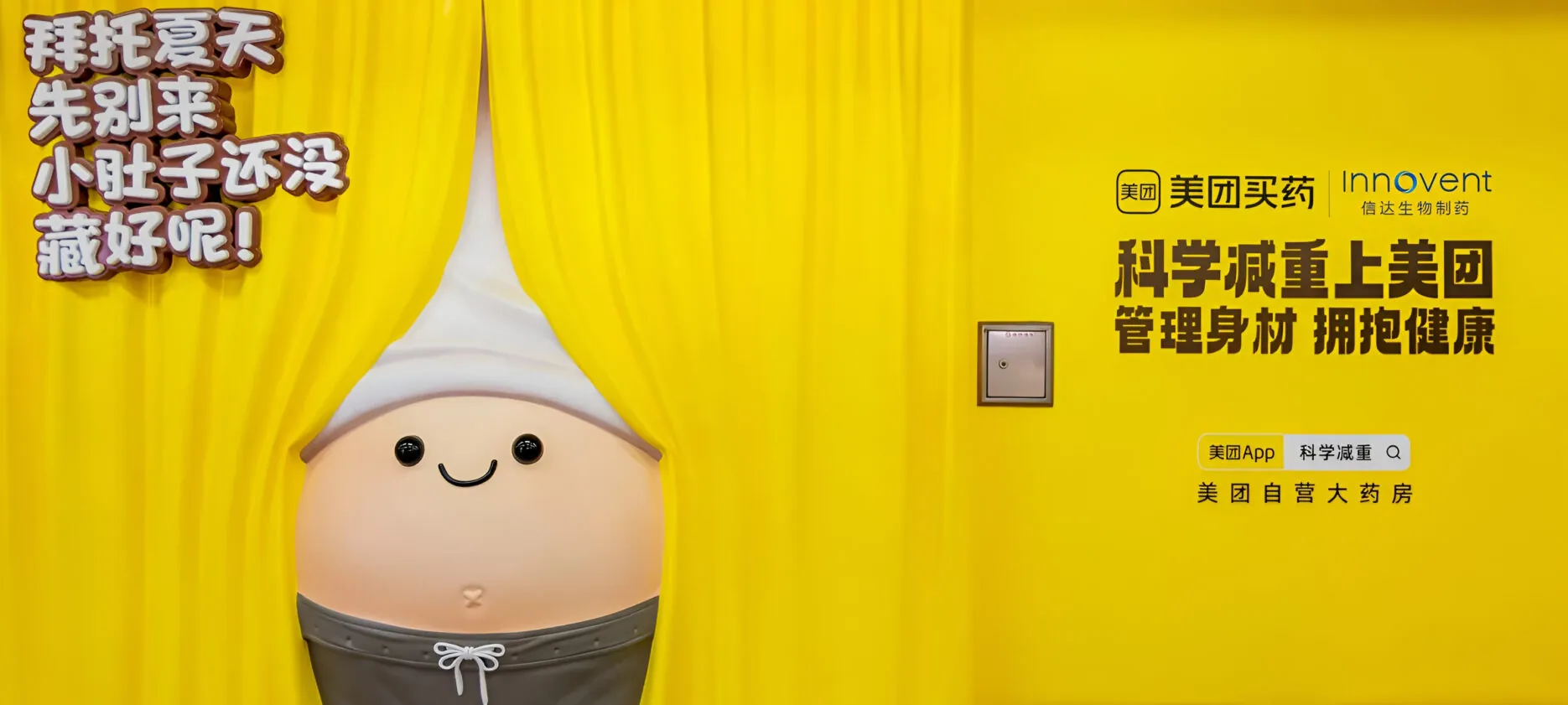
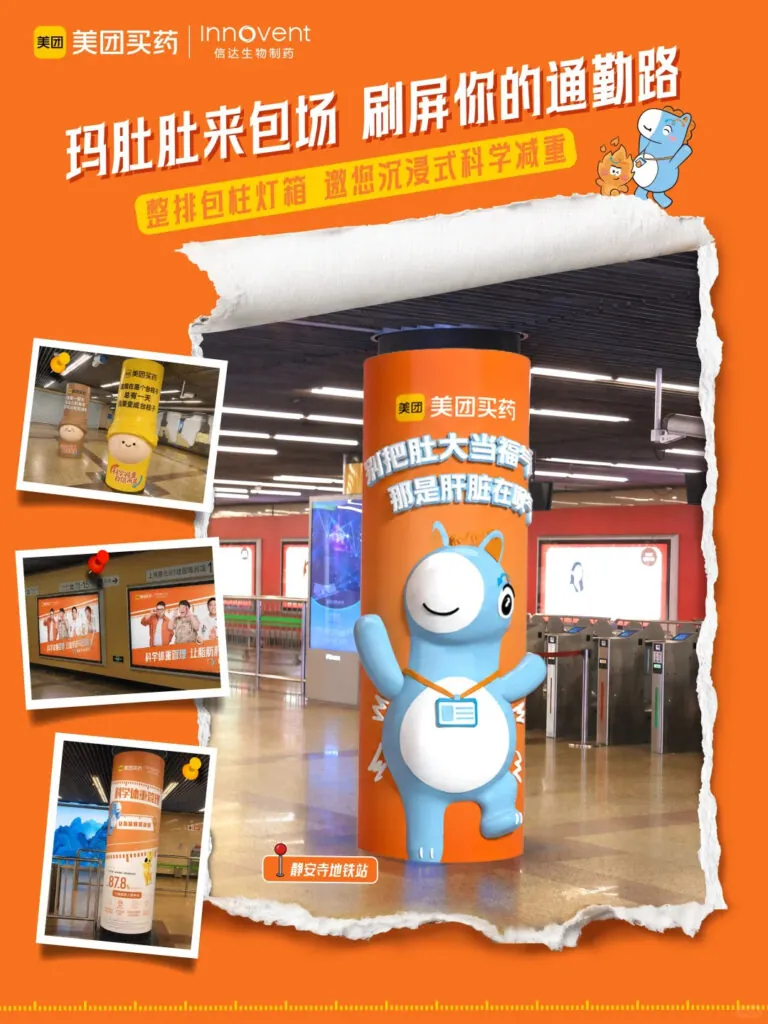
In Shanghai’s metro system, a mascot called Madudu (玛肚肚) is pushing the boundaries of China’s pharmaceutical advertising. The name appears on a campaign by Innovent Biologics and Meituan. Commuters are told that ‘scientific weight management’ can help reverse fatty liver. No medicine is shown or named.
Yet Madudu’s Chinese name sounds an awful lot like mazdutide (玛仕度肽). That’s the generic name of Innovent’s prescription weight-loss treatment, and to advertise it outright would be illegal. But alongside the company logo and obesity messaging, the Madudu leaves a trail that consumers can follow.
Advertising the category

China bars prescription medicines from consumer advertising. Formal promotions are limited to medical and pharmaceutical journals, but – provided they do not promote a specific medicine – companies can fund disease-awareness campaigns, explain health risks and recommend visiting a doctor.
More than 65% of China’s population could be overweight or obese by 2030
It’s a rule in a collision course with commercial opportunity. More than 65% of China’s population could be overweight or obese by 2030. Some estimates suggest that weight-management sales could grow from RMB3–4 billion (US$447–595 million) to RMB30 billion (US$4.5 billion) within five to seven years.
That potential has pushed Novo Nordisk, Eli Lilly, Pfizer, and Innovent into competition well before a prescription is written. Their campaigns define symptoms in order to make medical weight management familiar. Then they position the company as part of the solution.
Four brands, one emerging playbook


Lilly begins with a symptom and a family relationship. A company-branded banner in Shanghai’s Jing’an metro station asked commuters to pay attention to their fathers’ snoring and visit a respiratory department or sleep centre.
Snoring can signal sleep apnoea, a condition strongly associated with excess weight. Lilly’s Mounjaro has alleviated the condition in clinical trials. The banner never mentions Mounjaro. It does, however, supply a symptom and combine it with an emotional reason to act. And you can bet Lilly’s name isn’t missing from the branding either.
Pfizer has taken the conversation into fitness. Its healthy weight loss parties with boutique gym chain Supermonkey combined healthy-living guidance from Pfizer staff with group weightlifting sessions to place the pharmaceutical brand inside a weight-management routine.
Novo Nordisk has gone for institutional authority. A Beijing street exhibition created with state broadcaster CCTV featured group dancing and information about weight-loss therapies. The activation promoted understanding of the treatment category while keeping their weight-loss drug, Wegovy, out of frame.
Innovent is the one brand that’s bucked this trend of subtlety, or at least its messaging is a little more on the nose. Its metro campaign linked the corporate brand to ‘scientific weight management.’
They even had a loud-speaker message at a Suzhou football match repeatedly proclaim: ‘Innovent Biologics weight loss is amazing!’ They can do this because of Madudu’s less explicit meaning, even if the mascot is a bridge between awareness and mazdutide. Even with this relatively overt advertising, Innovent is still avoiding a conventional product advert, and that is the name of the game here.
Where education ends and promotion begins
You, nor any of the brands in question, should consider this strategy safe. China’s Advertising Law also covers indirect product promotion. Regulators have discretion to determine what constitutes advertising and leaving out product names doesn’t automatically settle the compliance question.
No Chinese regulator has publicly declared the campaigns illegal
No Chinese regulator has publicly declared the campaigns illegal. The issue – should one arise – will be whether corporate branding with symptoms and recognisable creative devices points too clearly towards commercial treatment.
The Dao view: This method of marketing eight-loss drugs in China could come crashing down quickly

Disease-awareness marketing has real public-health value in a country where obesity is on the rise. The risk is that it also creates demand for health products, and most importantly before avenues like exercise or diet have been tried. But on that front, the ship may have already sailed.
Hospital staff told Reuters that social media and personal recommendations are already prompting Chinese patients to request specific weight-loss drugs by name. For pharmaceutical companies, this makes the stages before the consultation commercially important.
The brand that helps define the diagnosis can enter the conversation before a doctor discusses treatment. When consumers can connect the symptom, company and medicine themselves, the drug never has to appear in the advert.