




Meituan migrant family campaign: Key takeaways
- Meituan used changing summer order patterns and parents’ delivery instructions to tell the story of children visiting migrant-worker parents
- This is supported by in-app changes offering mild, smaller meals from dine-in-qualified restaurants
- The campaign makes Meituan’s food-safety infrastructure emotionally relevant, turning merchant transparency into a reason for families to trust the platform.
‘Please cook it a little softer,’ ‘Less oil and salt, please,’ ‘No chilli – it’s for a child.’ These requests appear on takeout orders in Dongguan and Foshan every summer. Now they’re becoming the copy for a Meituan campaign.
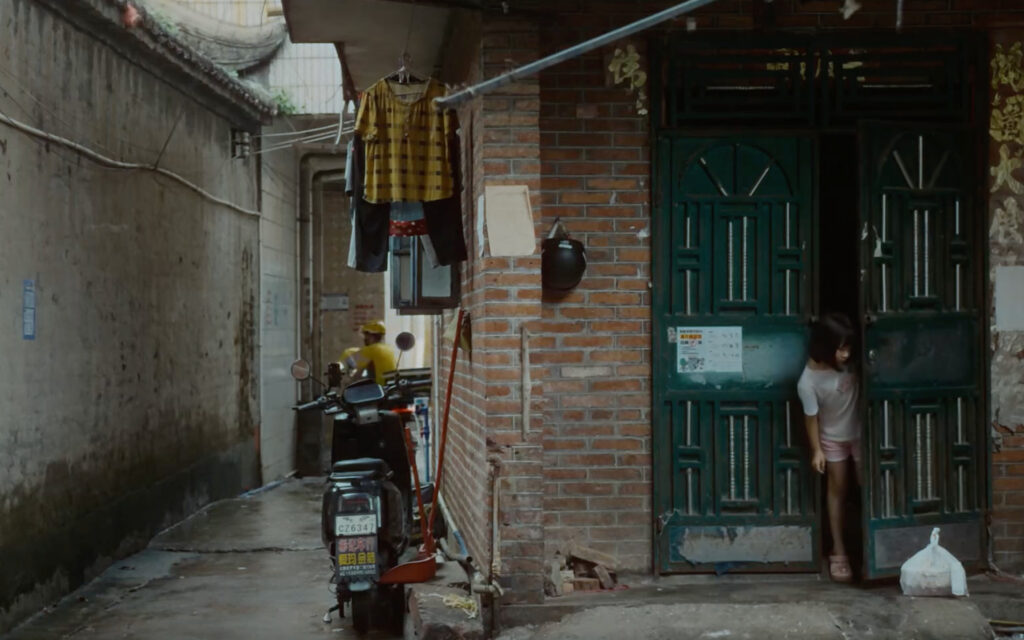
It’s built around ‘little migratory birds’ (小候鸟). No, not Beijing’s swallows or the cranes of Poyang Lake. The term refers to migratory children – little ones that travel great distances to be with their parents during the school break.
Meituan has turned a by-product of China’s disparate industrial rise into the subject of a campaign film, The Little Migratory Birds’ Canteen (小候鸟的食堂), and basis for a child-friendly delivery service.
The children migrating towards their parents
The term ‘little migratory birds’ describes children who spend most of the year away from their parents. Those parents work elsewhere. Manufacturing cities most likely, where opportunity is to be found but family is not.
This experience is a consequence of China’s internal migration, and the numbers are – as usual for China – staggering. A joint report from the National Bureau of Statistics, UNICEF and UNFPA recorded 71.09 million migrant children and 66.93 million left-behind children in 2020. Together, they represented 46.4% of China’s child population.
Dongguan and Foshan make natural settings for Meituan’s campaign. They’re part of the Greater Bay Area, a region of huge industrial capacity. Dongguan alone recorded 7.95 million floating residents in its 2020 census, equivalent to 76% of its population.
When children arrive for summer, Meituan says orders for parent-child and children’s meals spike
When children arrive for summer, Meituan says orders for parent-child and children’s meals spike. The number of orders going to the same addresses also rises, pointing to repeat ordering. The same is true of the requests in the copy: parents begin asking restaurants to remove chilli, reduce oil or add a child’s favourite ingredient.
The campaign film uses those notes to look at the compromises that go into ordering a meal. Parents would prefer to cook, but taking time away from work may threaten the income that brought them to the city. Delivery becomes a form of remote parenting.
Turning an emotional story into a service


Meituan has backed up the cute copy and campaign film with in-app adaptations. Users in Dongguan and Foshan can search Parent-Child Canteen (亲子食堂) for a list of dine-in-qualified restaurants. Ingredient information is listed too, as are options for mild flavours and smaller portions.
Restaurant standards like this also support Meituan’s efforts to rebuild confidence in delivery food. Unlicenced delivery-only kitchens are a recent example of the perception problem facing food delivery apps, but they are far from the only issue.
This must have been a bugbear for Chinese delivery food apps given that Chinese parents can be incredibly cautious about what they feed their children. Regulation has tightened around the industry. Transparency helps.
Selecting dine-in-qualified restaurants and showing what exactly is going into each dish therefore makes safety part of the campaign’s infrastructure. It gives parents visible reasons to trust the meals they order for their children.
The Dao view: Care becomes a product feature


The Little Migratory Birds’ Canteen is really about adding an emotional punch to something that Meituan is working on behind the scenes. The changes being made to address the app’s transparency issues need a voice, and this campaign gives it a loud one.
It also offers Meituan credibility at a time when coupons and slashed prices are also coming under regulatory scrutiny
It also offers Meituan credibility at a time when coupons and slashed prices are also coming under regulatory scrutiny. Competition is still high in the food-delivery market. Tarnished reputations won’t change that. But they do create a need for faith in what you’re buying. Under those conditions, trust offers a very sustainable form of differentiation.