



China’s activewear market: Key takeaways
- Lululemon remains China’s premium activewear benchmark, but the field around it is becoming crowded
- NikeSKIMS, Alo, Vuori and MAIA Active are selling competing versions of the active lifestyle
- Diversification beyond yoga is making local relevance and repeat demand increasingly important
In just one week, China’s premium activewear market has become crowded. Alo opened its Tmall flagship and WeChat mini-programme with actress Zhao Lusi (赵露思) fronting the launch. Black hoardings appeared for NikeSKIMS at HKRI Taikoo Hui. The same happened for Sweaty Betty.
These arrivals tell us the activewear market is entering a second phase
This cluster of arrivals tells us that China’s premium women’s activewear market is entering a second phase. Lululemon has spent more than a decade cultivating the segment. Now it must reckon with competition on all sides.
The market Lululemon built

Lululemon opened its first mainland store in 2014. Since then, it has turned expensive workout clothing into a marker of middle-class belonging.
Leggings and sports bras were sold with a wider promise of health and wellbeing. The pitch came down to community. Local ambassadors, large-scale fitness events and classes, united consumers around a lifestyle. Belonging to that crowd permitted RMB 1,000 (US$148.70) spends on activewear, a novel idea in the Chinese activewear market of the day.
Belonging to that crowd permitted RMB 1,000 spends on activewear
The results of market building were formidable, and still are. Lululemon’s Mainland China revenue rose 28.9% to US$1.75 billion as recently as 2025. Its store network reached 172 in the same year. In the activewear category Lululemon remains the benchmark, but the consumers it educated are being encircled by new competitors.
Five brands, five active lifestyles

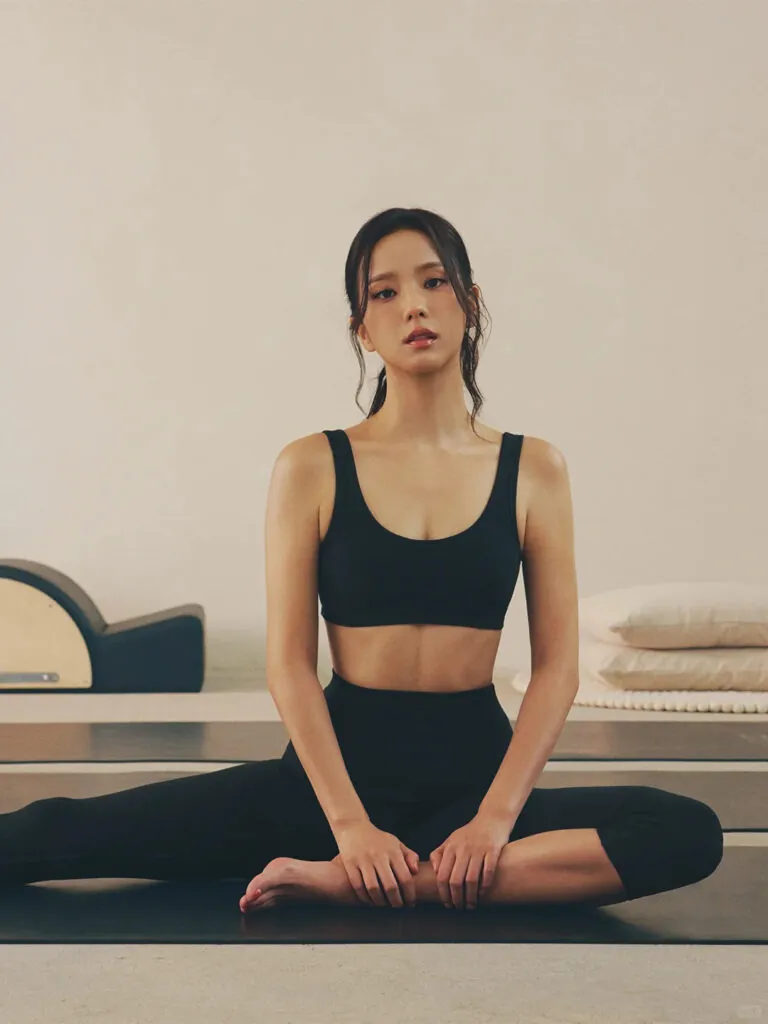
Lululemon continues to sell belonging: technical credibility reinforced by a mature wellness community, but its challengers are approaching the same consumer from different directions.
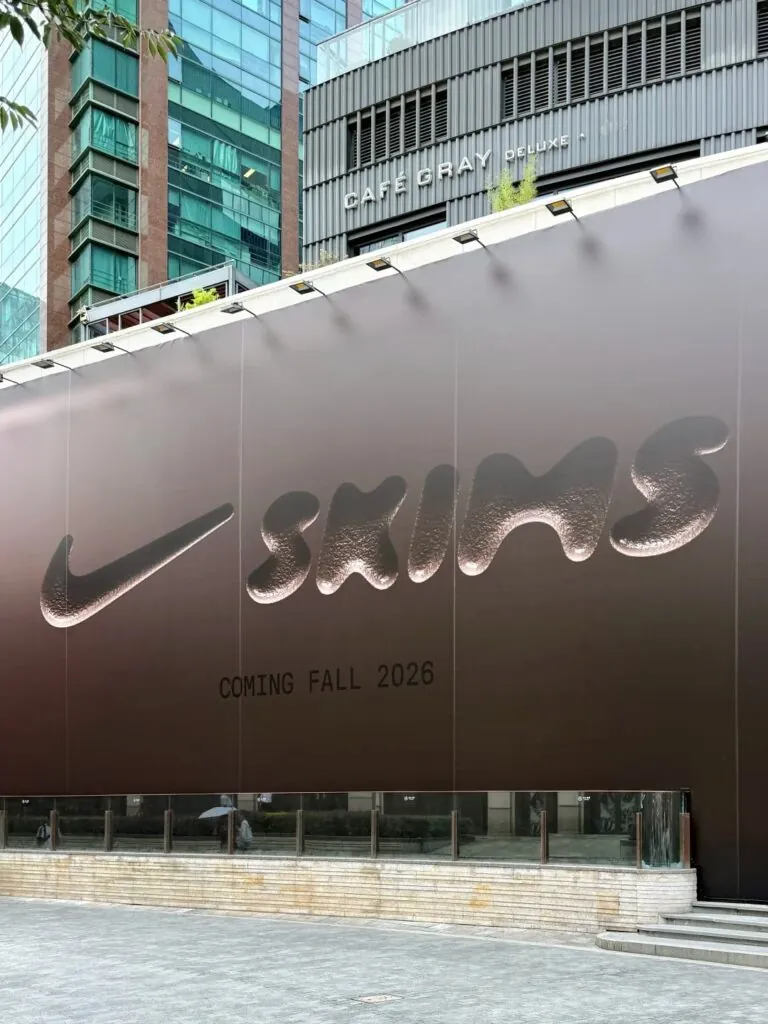
NikeSKIMS sells sculpted performance. Nike provides sports science and athletic authority. SKIMS adds femininity with body-conscious silhouettes. Its first standalone mainland store is expected to open this autumn beside Louis Vuitton’s ship-shaped retail space in Shanghai. That premium location supports its premium positioning while Nike’s broader China business attempts to recover from eight consecutive quarters of falling sales.
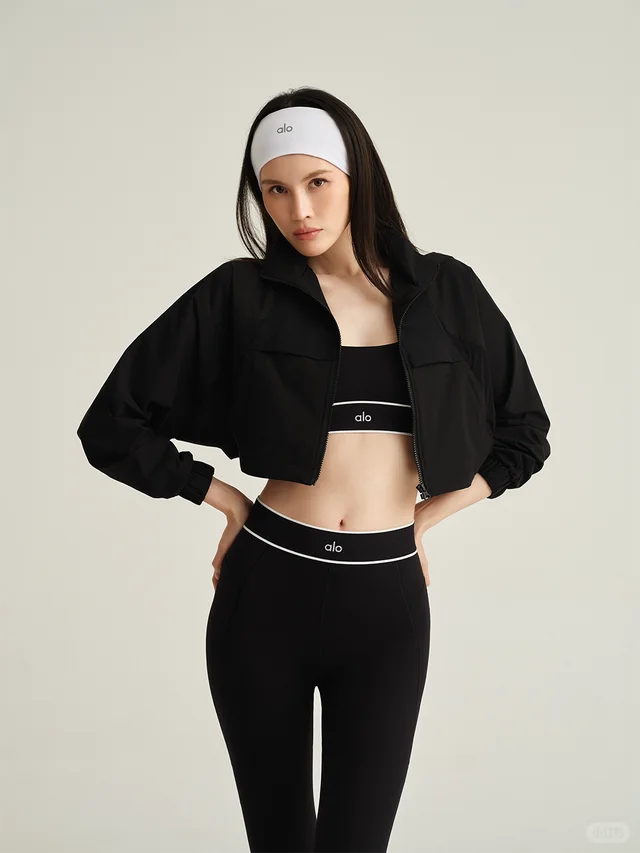
Alo sells an aesthetic: celebrity associations, polished wellness imagery. These traits made the brand recognisable even before its official China arrival. Zhao Lusi converted some of that attention immediately. By 8pm on launch day, more than 8,000 pairs of RMB1,150 (US$160) trousers had reportedly sold.
Sustaining that demand will require turning celebrity-endorsed products into a credible local lifestyle, but they’ve pushed community on the ground in Shanghai too, much like Lululemon did.


Californian brand, Vuori, combines technical fabrics with versatile clothing. It also has stronger roots in menswear. That gives it access to a consumer base largely ignored by Lululemon and Alo. Vuori plans to expand from eight Chinese stores to 20 by the end of 2027.
MAIA Active (玛伊娅) competes through local knowledge. Founded in Shanghai, its products and sizing were developed around Asian women’s bodies. Anta’s ownership gives that proposition additional capital, supply-chain capacity and retail infrastructure. MAIA is targeting between 60 and 70 stores by the end of 2026.
Activewear moves beyond yoga
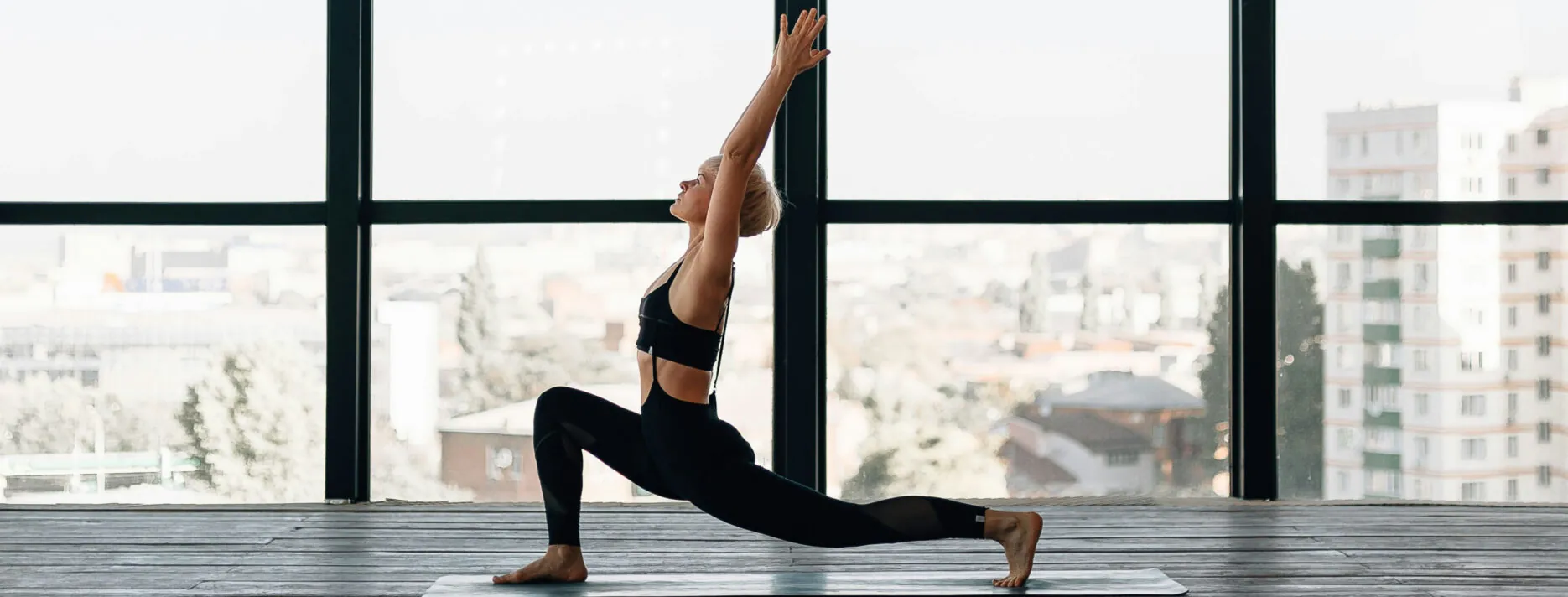
To add further complexity into the market, China’s middle-class fitness culture is diversifying. Running, tennis, climbing, hiking, cycling, Hyrox, have all become lifestyle-facing segments. Activewear now follows consumers across more activities and more parts of everyday life.
Yoga materials and designs are no longer perceived as highly differentiated
At the same time, yoga materials and designs are no longer perceived as highly differentiated. Leggings largely look the same and are available from numerous brands and at multiple price points. Brands now need a sharper answer as to why their products – or messages about lifestyle and wellness – deserve a premium.
The Dao view: China’s activewear market is in a state of change
China’s premium activewear market has graduated from category building to the stage of competing identities. Lululemon built the house, and in doing so proved that consumers would pay for technical clothing if it comes with aspiration and belonging.
Lululemon’s challengers now need to make their own propositions convincing. Celebrity attention can produce a powerful launch, and new stores create visibility.
Success on the scale Lululemon has known will depend on much more: product and cultural relevance, credible communities, localisation, and repeat demand. You name it. The market may look very attractive to outside brands, but it takes an awful lot to turn a lifestyle image into an established China business.



_来自小红书网页版1-800x444.jpg.webp)