




Shein Hong Kong IPO: Key takeaways
- Shein battled to get listed for years, across multiple stock exchanges
- Beijing has had a hand in why
- Approval for a listing in Hong Kong shows how the city makes a nice compromise
After a year-long wait and surely no shortage of nail biting at head office, Shein has finally secured approval from China’s securities regulator for listing on the Hong Kong stock exchange. It’s big news for a brand that’s seen attempts to list in both New York and London struck down.
Approval from the China Securities Regulatory Commission (CSRC) allows Shein to begin investor roadshows and prepare for a hearing with the Hong Kong Stock Exchange’s listing committee. If all goes to plan, the company could begin trading as early as September or October.
Every major Chinese company with global ambitions must now weigh valuation and liquidity, and add political acceptability into the mix
For most companies, an IPO is the final stage of years of growth. For Shein, it became a three-year test of geopolitics, regulation and corporate identity.
A listing that crossed three financial capitals

Shein’s journey began in 2023 when it confidentially filed for an initial public offering in the United States. At the time, New York remained the obvious destination for a global company with enormous international revenues.
But the timing was off. Washington and Beijing were clashing. Chinese-linked companies faced increasing political scrutiny. US lawmakers eyed Shein’s supply chain suspiciously. Its labour practices and data security didn’t sit right either. In the end it was no bueno, and so Shein shifted its attention to London.
The UK’s Financial Conduct Authority reportedly approved the company’s draft prospectus, but another obstacle remained: Beijing. Under rules introduced in 2023, the China Securities Regulatory Commission must approve overseas listings by companies with substantial mainland operations. Despite its Singapore HQ, Shein still sources the vast majority of its products through suppliers in China, putting it right under the regulator’s remit. No Chinese approval? No London listing.
Hong Kong ultimately emerged as the compromise. Beijing is satisfied – Its regulatory requirements are ticked. Shein, for its part, gets access to international investors through one of Asia’s largest financial centres.
More than an IPO delay
Over the past three years, Shein has faced a hell of a lot of criticism: working conditions in its supplier network, the environmental impact of ultra-fast fashion, the sketchy use of consumer data. Politics may have held up the IPO, but all these (rather sizable) issues have been thorns in the brand’s side.
Politics isn’t the only thing holding Shein back
French authorities have fined the company over alleged misleading discount practices and EU regulators are opening an investigation into the sale of sex dolls shaped like children. We should say that Shein has consistently rejected the allegations levelled at it, but amid all this controversy, retail has moved on.

The pandemic-era online shopping boom that fuelled Shein’s meteoric rise has cooled. The US has also tightened rules around low-value imports, challenging one of the company’s biggest competitive advantages: shipping inexpensive clothing directly from Chinese factories to overseas consumers with minimal customs costs.
And all this has fed into a sharp decline in valuation. Once valued at around US $100 billion in 2022, Shein is now reportedly seeking a valuation between US $40 billion and US $50 billion.
Shein’s three-year route to market shows that an IPO venue is no longer chosen on financial merit alone – politics now carries equal weight
The Dao View: It’s clear why Shein got an IPO approved in Hong Kong
A decade ago, an ambitious Chinese firms would view overseas listings as a way to establish distance from China while accessing deeper pools of international capital. Today, that calculation has changed. Political tensions, tighter regulation and national security concerns have made those routes far more complicated.
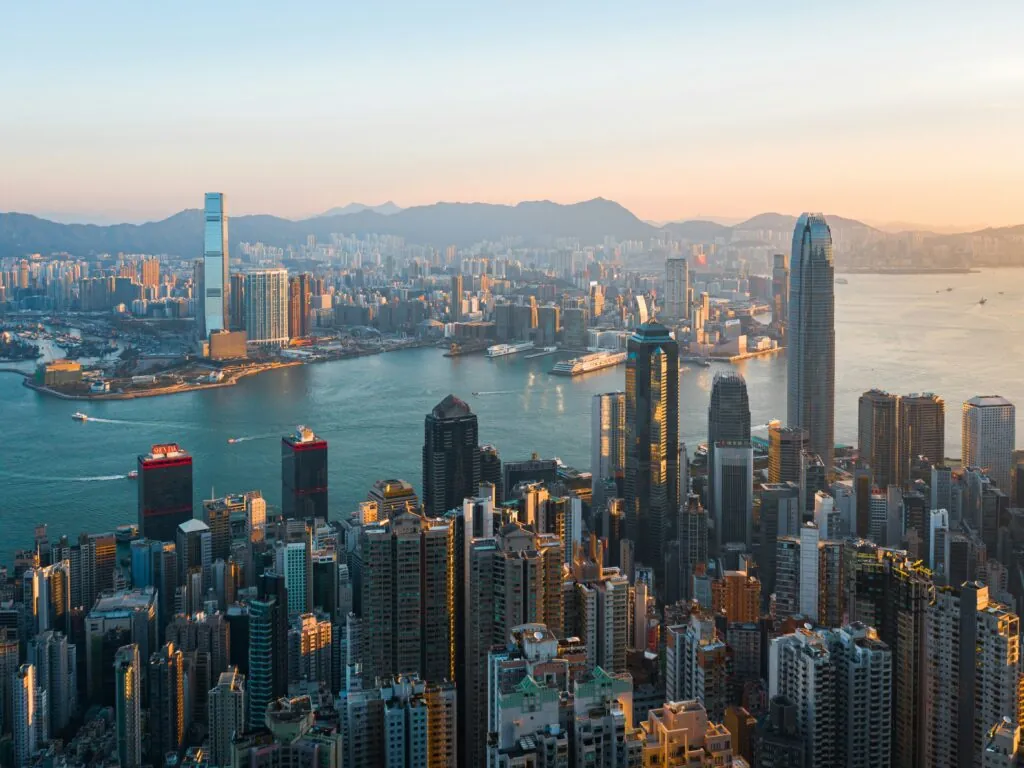
Hong Kong has become a happy middle ground and a bridge between Chinese businesses and global investors. Shein’s three-year IPO journey shows that where a company listings are now geopolitical decisions as much as financial ones.
This runs deeper than Shein. Every major Chinese company with global ambitions must now weigh valuation and liquidity, and add political acceptability into the mix. For them, the era of choosing the world’s biggest exchange may well be done. The exchange that governments on both sides are willing to accept will win the day.