


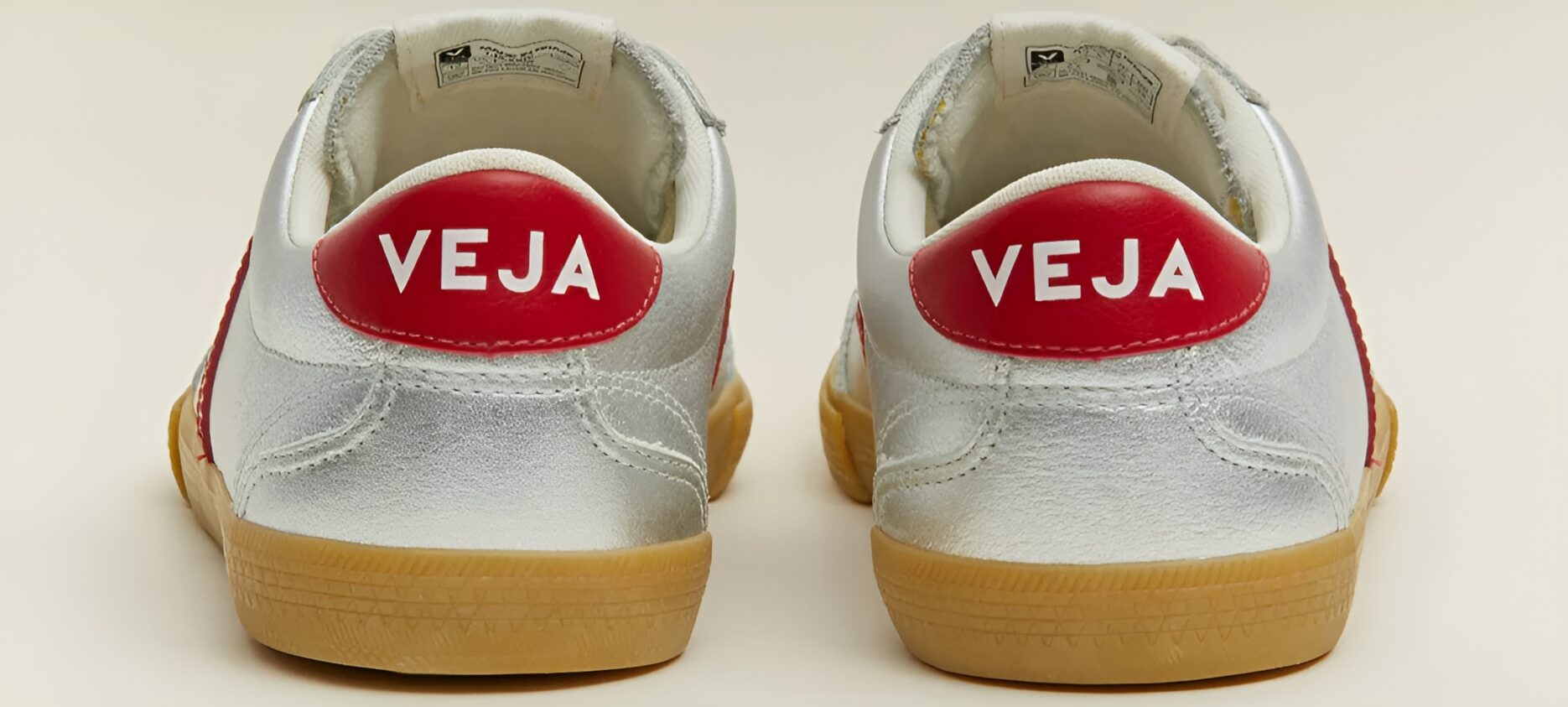
When foreign brands enter China, they face a question: how do we let people know who we are before investing in a physical footprint? One solution is to go online first. It’s the play French sustainable trainer brand VEJA made recently for its China launch.
Launching online gave VEJA a range of advantages, and not least that it answers the questions they face. It’s a tried-and-true China entry formula, and here’s why.
Why online first works for VEJA
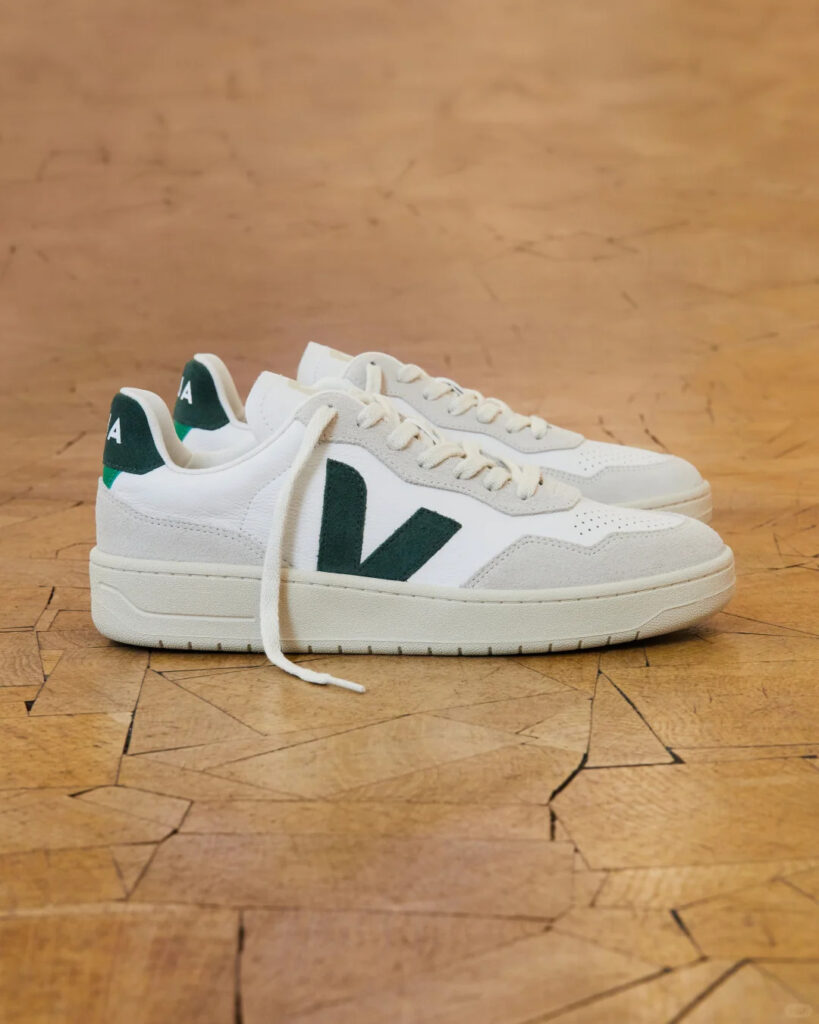

VEJA picked Tmall for their e-commerce flagship. The store gives Chinese consumers a gateway to engage with the brand. Through this system, VEJA can deepen consumer understanding of its story, which is a valuable part of its proposition.
VEJA trainers are made using wild Amazonian rubber and organic cotton. Where polyester is needed, it’s recycled. The environmentally friendly shoe arrives in China at a time when consumers want more from a purchase than just practicality.

Tmall also makes good sense on this front. Livestreaming is a pillar of the platform’s sales strategy and educational content is built in. VEJA gets a pre-packaged storytelling system at a time when they need to tell a story.
What VEJA gets back is also important: data. TMALL will give them masses of analytics that can help them determine how much demand they have and – perhaps most importantly – who with. VEJA will be eyeing a physical China store within the next few years and Tmall can give them reliable information on where they should open it.
Offline matters too


And we can’t forget offline activations. To that end, VEJA partnered with Shanghai coffee brand PLUSONE for a pop-up. French baguettes were served alongside gift experiences that dished out brand merch.
A showroom put product highlights and past collaborations on display. Panel discussions and performances were also part of the day. Perhaps the coolest part of all this was the second-floor customisation room. Here, guests could customise their favourite trainers – regardless of brand – to add a touch of individual expression.
VEJA is testing China for demand
VEJA’s China launch reflects a reality many foreign brands now face: awareness can no longer be assumed. Fifteen years ago, a European fashion label could arrive in China and rely on its foreign credentials to generate interest. Today’s consumers are far more selective. They want to know what a brand stands for, how products are made and why they should care.
That’s where the brand’s strategy becomes interesting. The brand’s sustainability credentials are its biggest differentiator globally, but sustainability alone isn’t really enough to sell trainers in China. Consumers may appreciate environmental claims, but they still need a reason to engage.
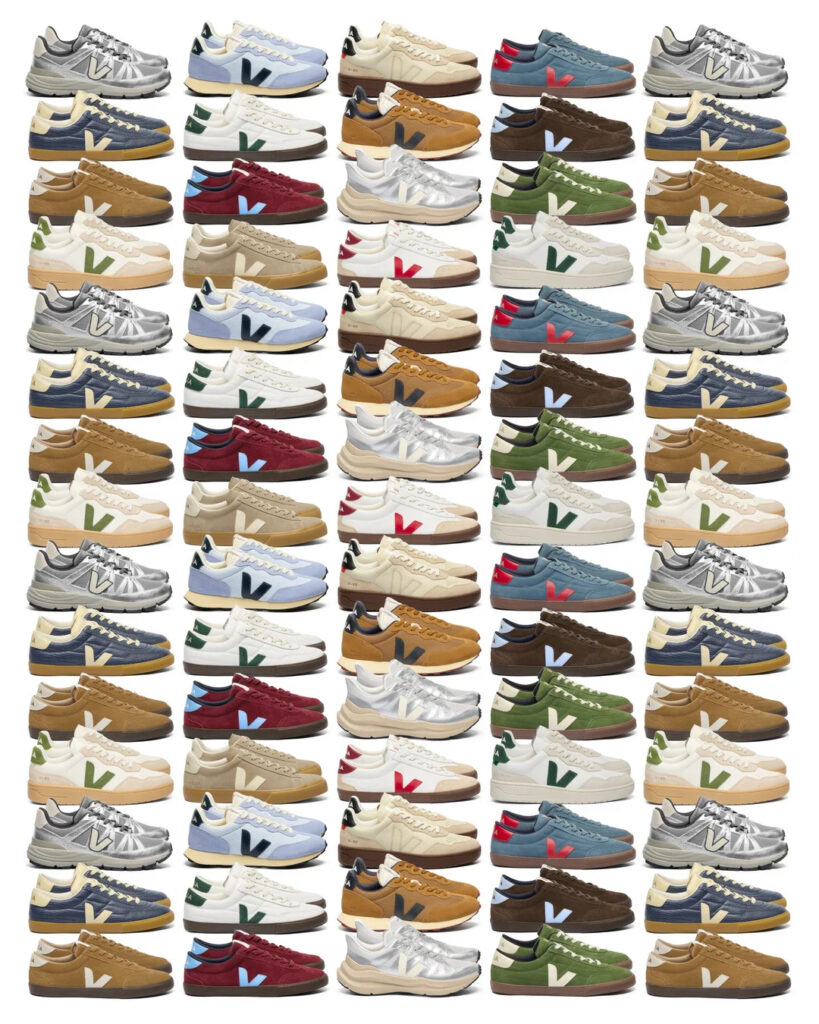
By combining Tmall’s content ecosystem with offline experiences, VEJA is effectively translating abstract values into tangible experiences. The customisation workshop is particularly revealing. Rather than focusing solely on selling VEJA products, the brand created a space around creativity and self-expression.
That aligns with a broader shift in China’s premium consumer market, where younger shoppers increasingly buy into lifestyles and values rather than products alone. However, the bigger question is still whether China’s consumers are ready to pay a premium for sustainability itself.
The Dao View: A textbook China launch for a niche global brand
This launch is less about immediate sales and more about market validation. Tmall gives VEJA access to demand data, consumer feedback and purchasing behaviour without the cost and risk of building a retail network from day one. If the numbers stack up, the brand will know where its customers are, what products resonate and whether a physical footprint is worth pursuing.
In that sense, the launch is a low-risk way to answer a high-stakes question: does China’s growing appetite for purpose-driven consumption extend to paying a premium for sustainability? VEJA is not entering China with a grand retail rollout. It is entering with a hypothesis — and using both online and offline channels to test it. That may prove to be the smartest part of the strategy.