


Chinese luxury premiumisation: Key takeaways
- Chinese brands are proving consumers will pay premium prices for local labels.
- Premiumisation is being driven by quality, not just branding.
- The premium playbook is shifting from discounts to loyalty.
For years, China functioned as the world’s manufacturing powerhouse. Yet when it came to premium fashion, international labels continued to dominate consumer mindshare. Words like ‘luxury’ and ‘China’ just wouldn’t sit well together.
Many domestic brands tried to move upmarket, but often they’d fall into one of two traps: charging luxury-level prices without the brand equity to justify them or being viewed as little more than affordable alternatives to European names.

Lately, we’re seeing signs of big change. A growing number of Chinese fashion brands are successfully pushing into higher price bands, and they’re doing it while maintaining both growth and customer loyalty.
Where events such as 618 once centred on discounts, many premium brands are increasingly using them to launch new collections.
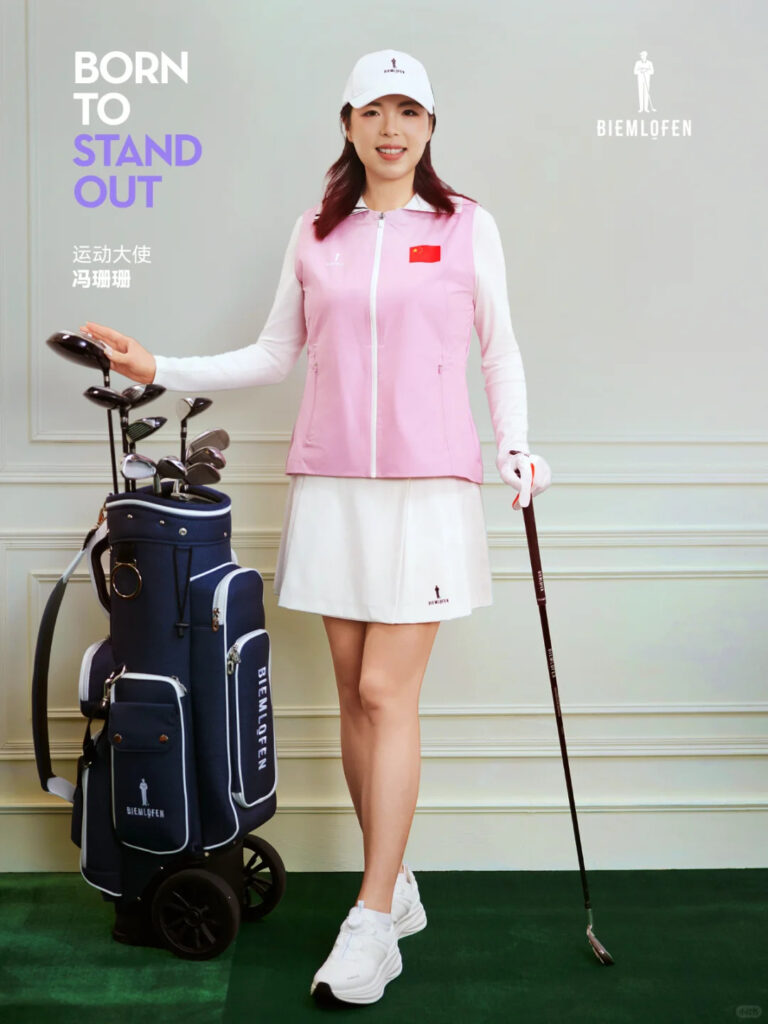
Brands such as Songmont (山下有松), ICICLE (之禾) and Biemlfdlkk (比音勒芬) suggest consumers are increasingly willing to pay premium prices for domestic products when quality, design and storytelling align. Looking at why turns up some interesting answers.
Chinese brands are appearing on the premium starting line

One of the clearest tests of premium positioning is what happens when prices rise. If customers leave, the brand is relying on hype. If they stay, it may be building genuine value. Songmont offers a strong example. The handbag brand has become one of China’s fastest-growing premium labels, with reported Tmall GMV growth of 340% in May alone.
Songmont’s growth bucks a trend: it has not been driven by discounting. Its average selling price reportedly increased from around RMB1,600 to RMB2,200 (approx. US$220-US$305) over the past year, while maintaining an annual repeat purchase rate of 42%.


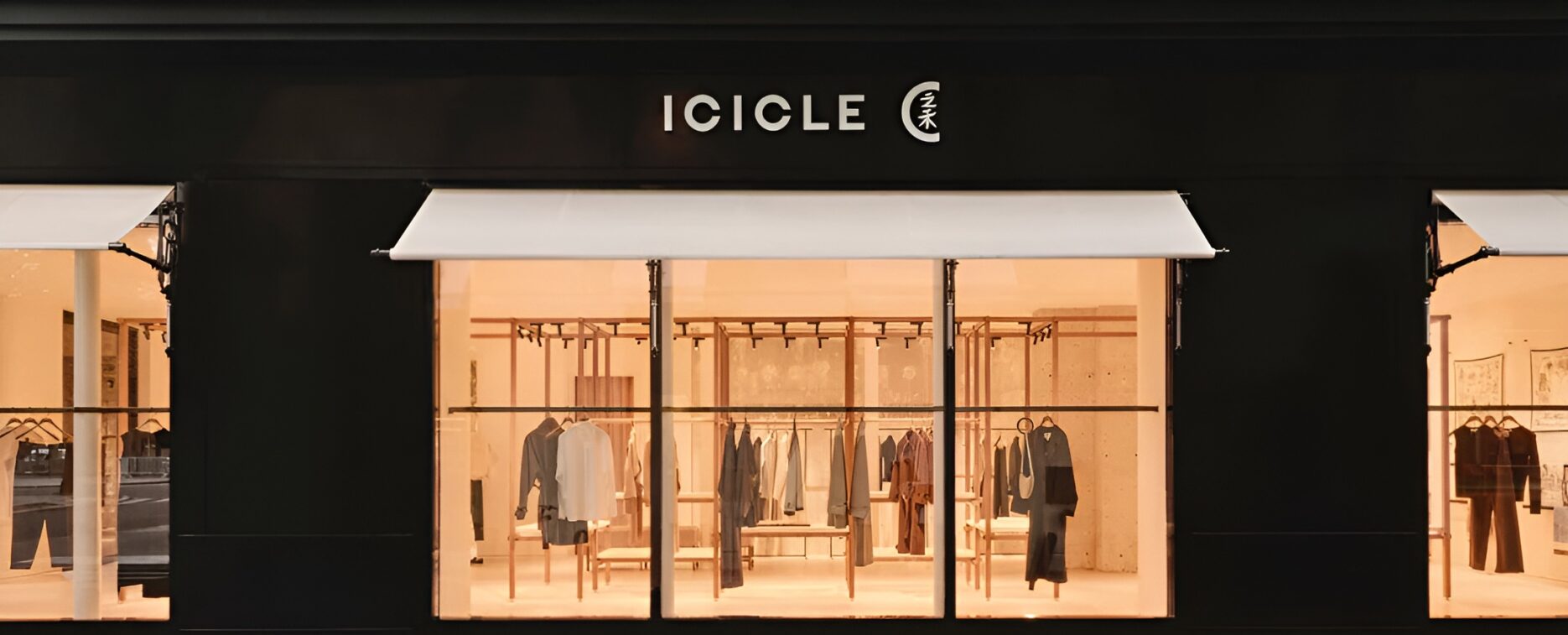
ICICLE provides another case study. The brand recently attracted investment from Gucci owner Kering and is one of the few Chinese fashion labels with a presence in premium retail destinations. They operate out of luxury-end malls like SKP, Taikoo Li and Hang Lung Plaza.
ICICLE’s average selling price on Tmall now sits around RMB2,400 (about US$250), while its annual repeat purchase rate reaches 68% – far above your typical industry levels. Menswear brand Biemlfdlkk has also shown that domestic brands can command premium prices, and brands like Qeelin (麒麟) and Hermes-backed Shang Xia (上下) fit the same trend. But what’s driving all this?
Younger consumers now judge brands on design, materials, and values rather than country of origin.
Consumers are increasingly willing to pay for quality
Part of the explanation lies in changing consumer attitudes. The assumption that imported automatically means superior is gradually weakening. Younger consumers now judge brands on design, materials, and values rather than country of origin. Growing cultural confidence, combined with social media’s influence on discovery, has helped fuel this. And supply chains have also matured.
In the years after Reform and Opening Up, Chinese manufacturers produced goods for the world’s leading luxury houses. That expertise is being turned back towards local brands. Flexible manufacturing allows companies to test premium products in smaller batches with lower risk, while improvements in materials and craftsmanship have strengthened product quality.
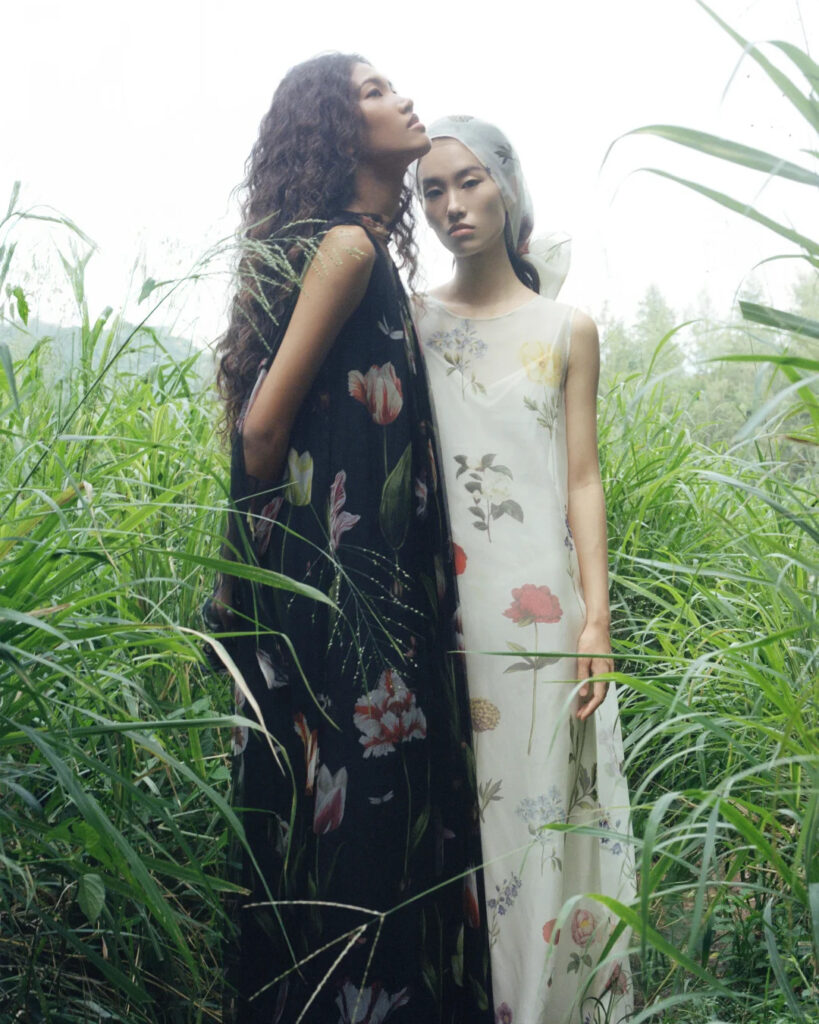
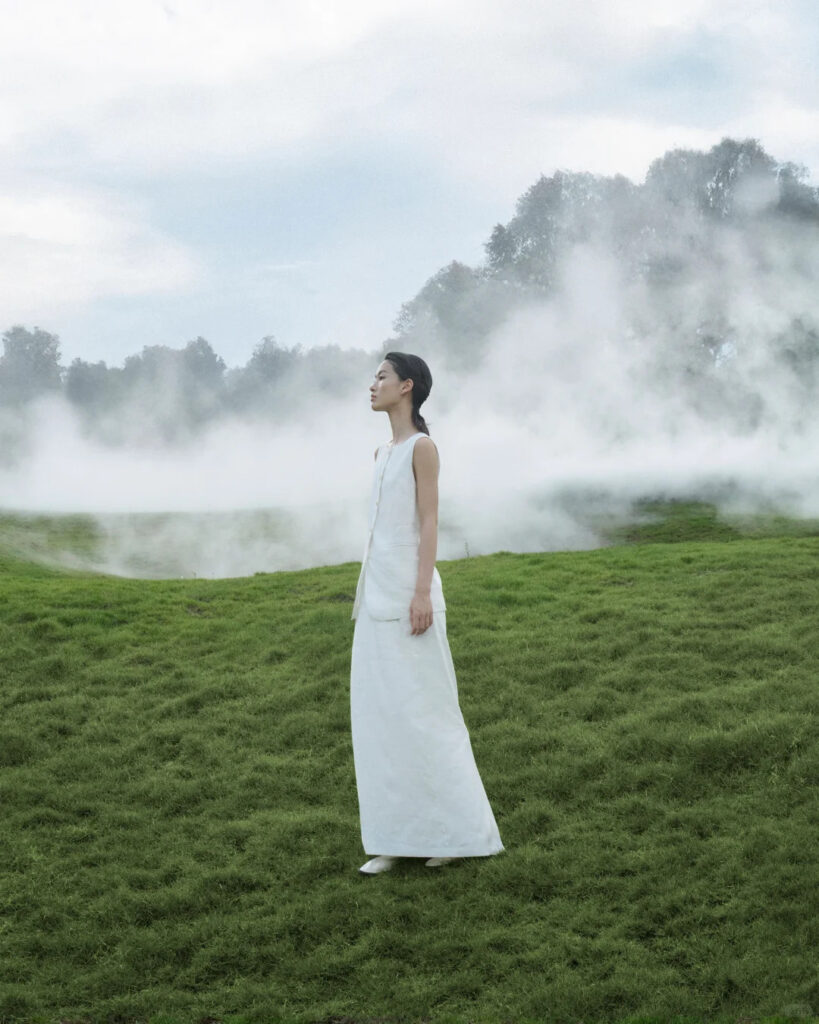
ICICLE has built its reputation around natural fabrics and sustainability. Songmont has differentiated itself through craftsmanship and functional design. Consumers have become less willing to pay for marketing alone. Though they still appear willing to pay plenty when quality justifies the price.
Chinese luxury premiumisation is moving beyond discounts
Another notable shift is how these brands approach major shopping festivals. Where events such as 618 once centred on discounts, many premium brands are increasingly using them to launch new collections.
New products now account for a growing share of sales among premium domestic brands. At Fabrique, new-product contribution rose from 69% to 73%. PANE increased from 35% to 46%, while ICICLE climbed from 49% to 57%.

Rather than relying on promotions, these brands are using new launches to strengthen relationships with existing customers and reinforce brand identity. The strategy aligns well with Tmall’s 88VIP membership programme – one that concentrates on China’s highest-spending consumers.
At the same time, platform algorithms increasingly reward repeat purchases, customer loyalty and long-term value instead of simply chasing transaction volume. That creates a more favourable environment for brands capable of maintaining pricing discipline.
The Dao View: All this premiumisation says change is afoot in the Chinese luxury market
China has not produced its own LVMH – yet. Luxury is not defined by price alone. It is built through decades of heritage, cultural influence, and consistent storytelling. Those are qualities that can’t be created overnight.
But the foundations are beginning to emerge. Consumers willing to buy premium domestic brands is just the start. China’s manufacturing ecosystem is capable of supporting higher-end products. E-commerce platforms are rewarding loyalty over discounting. And a handful of brands are proving that higher prices and higher repeat purchases can coexist. That doesn’t guarantee the arrival of a globally recognised Chinese luxury house, but it’s a good sign that perception has changed, and that’s big news in luxury.