



How China is affecting Europe‘s car industry: Key takeaways
- European manufacturers are losing market share in China just as Chinese brands accelerate their expansion into Europe.
- Chinese groups compete through lower prices, advanced EV technology and faster development cycles.
- Europe’s response combines tariffs, cost-cutting, affordable models, local-content rules and partnerships with Chinese companies.
Europe’s car industry is being squeezed from two directions. China, once a major source of growth and profit, can no longer be relied on to drive sales. Domestic manufacturers are just too competitive. To complicate the issue for European automotive manufacturers, Chinese companies are now shipping those same competitively priced electric and hybrid cars into Europe.
At its most embarrassing, China’s automotive rise is making European companies up and down the market look inept, and unprepared. Europe has responded. But before we get there, let’s take a moment to go back to the beginning.
The gold rush
‘We’re making more money than God’
Reported words of a General Motors exec back in the ‘golden age’ of foreign brands in the Chinese auto market, about 2000-2015.
Ok, General Motors is a US brand, but the famed quote fits well with the market European car makers were working with in the early part of this century. They enjoyed formidable positions in China, the Germans especially. Brands like Volkswagen, BMW and Mercedes-Benz had the glamour of German engineering and it helped them sell in staggering numbers.
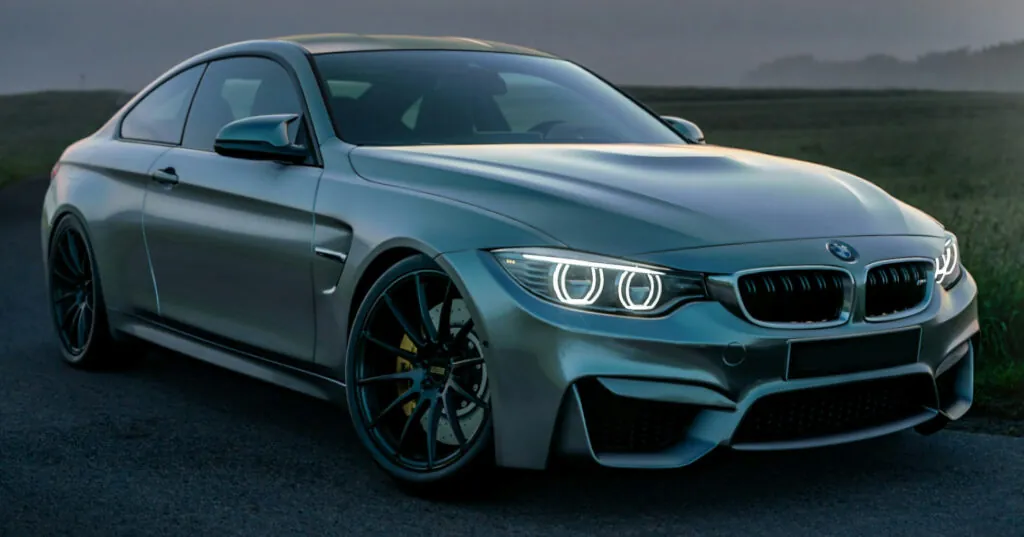
At its absolute zenith in 2014, Volkswagen commanded an astounding 18.6% share of the entire Chinese passenger car market. Mercedes were selling hundreds of Maybachs a month, and in 2015 Chinese buyers were purchasing a third of all Mercedes S-Classes produced.
How the Chinese market became harder
The change came with electric vehicles. In China and at home, this is where European automakers have been left behind. Chinese EVs offer advanced software and connected features at competitive prices. The shine is also waning on foreign imports, and as Chinese consumers start to view domestic brands more positively, demand for EVs has tilted skyward. Around 46% of cars sold in China are now electric, but fully electric vehicles only make up 5% of BMW’s China sales.
Other German car brands are feeling the same bite. Volkswagen’s China sales fell 37% during the second quarter of 2026. Mercedes-Benz and Audi sales dropped 28% and 19% respectively during the first half. This creates a negative feedback loop: declining sales leave European manufacturers with less funding to close the gap with Chinese EV competitors.
Chinese competition in Europe
Chinese automakers doubled their share of the wider European market in 2025. It’s still only a modest 6%, but it’s been enough that EU policymakers have decried China Shock 2.0 and called for tariffs to be slapped on the Chinese brands eating up market share.
BYD, Geely, SAIC, Chery and Leapmotor are at the forefront of this, building dealer networks across Europe and entering the market with EVs and hybrids priced below European alternatives.
Slumping returns in China put European automakers in a research and development catch-22
Britain provides an interesting look too. Chinese brands – including MG, which used to be British but is now owned by SAIC (they’re Chinese) – now account for about 15% of this year’s new vehicle registrations. Their growth is forcing established manufacturers to offer heavier discounts, which are, of course, eating into profits.
How are European manufacturers responding?
Some brands are responding with cheaper cars. Take Renault. It’s launched a new EV, the Renault 5, and developed the sub-€20,000 Twingo, and they did it in under two years – a timetable tight enough to match China’s speed.
Tariffs are treating the symptoms, not getting to the root of the problem
As in the UK, cost reduction has been another strategy. Volkswagen is trying to save more than €6 billion annually by 2030, and they’re willing to cut a lot of staff to do it. Interestingly, it’s also working with Xpeng on locally developed technology for China. Competing with Chinese manufacturers clearly now means learning from them.
European manufacturers are also lobbying Brussels. Volkswagen, Stellantis and Renault have called for ‘Made in Europe’ rules supporting locally engineered and manufactured vehicles. Tariffs have also had some effect at slowing Chinese EV growth.
The EU introduced additional duties of between 17% and 35.3% on China-made battery-electric vehicles in 2024, citing Chinese subsidies. But these measures don’t cover hybrids, and Chinese manufacturers can reduce – and are reducing – their exposure by producing cars inside Europe. As protectionism goes, it’s treating the symptom not the sickness.
The Dao view
Tariffs can create breathing room, but they cannot deliver the cheaper batteries that Chinese cars compete on. Nor can they help European companies compete on software or speed. They certainly aren’t going to claw back market share in China. To get back in the game, Europe needs to reconsider how its entire car industry works.