




China’s gelato craze – key takeaways:
- Gelato is a booming segment in F&B.
- It’s driven by an affordable price point (about RMB 30, or US$ 4.50) and a fresh-ingredient-first pitch .
- Brands will need to plan for a period when the social media hype driving subsides.
Shanghai is said to be the city with the most cafes in the world but hit the streets of the Former French Concession on a sunny spring afternoon and you might start to think that rep has competition. Gelato (意式冰淇淋) stores are everywhere. Often running huge queues. Regularly getting splashed across social feeds. This is the face of China’s gelato craze.

The past couple of years have seen a boom in the Italian ice cream. It’s one made possible by scale, by lowered start-up costs, and that secret magic that makes something wanghong (网红, hot on the internet).
Brands that were ready have boomed almost overnight, some adding almost a thousand stores in the past year alone. Luxury brands have hopped on the hype too. LV, Fendi and Celine have all opened experiential gelato pop-ups in the past year. And over the May Day holiday, the milk tea world tried their hand with Heytea and Chagee adding limited-edition gelato options to their menu at select Shanghai stores.
What’s driving China’s gelato craze?
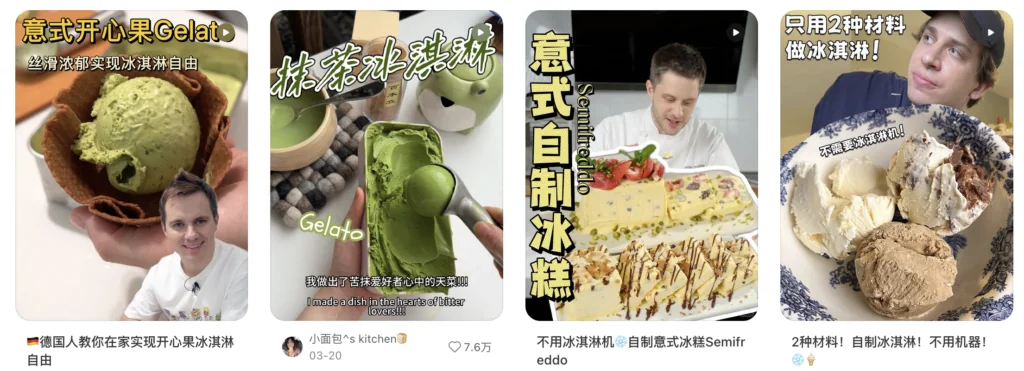
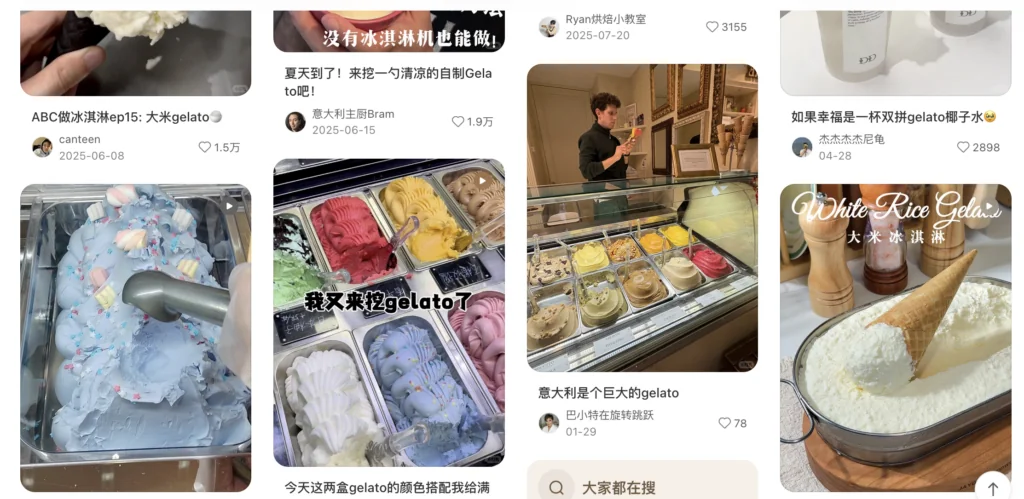
The tip of the spear is purely economic. Domestic gelato making equipment has reached a parity with Italian counterparts. They’ve also become much cheaper to produce. A Chinese-made gelato mixer now costs between RMB 50,000-60,000 (about US $7,300-8,800). An imported one from Italy would cost you roughly ten times more.
Another major factor is alignment with consumer tastes. Recent years have seen Chinese consumers push back against industrial, pre-packaged and processed food. Brands have taken notice. You can see this change in action in the fruit and milk tea industry.
Gelato – in most cases – is mixed fresh, in-store, using natural ingredients – even when it comes from one of the big chain players. In the case of independent stores, a hand-crafted label provides extra pizzaz. It’s a perfect storm: economics aligning with consumer taste. Industry leader, Mr. Yeti (野人先生) was lying in wait for just that moment.
The brands to watch
Mr Yeti (野人先生)

Mr. Yeti (野人先生) catalysed its explosive rise by solving the scalability problem that long plagued the gelato industry. By replacing expensive machines with stable, domestic equipment, they slashed entry costs.
Their central factory + store terminal model – using pre-processed milk slurry finished in-store – ensures high-quality fresh-made appeal at a massive scale. This technical innovation allowed them to open over 900 locations in 2025, transforming gelato from a boutique luxury into an accessible daily habit.
Azabuya (麻布屋)

Azabuya dominates the boutique end of the market through extreme flavour specialisation and intentional scarcity. Unlike mass-market brands, they focus on high-intensity profiles – most notably their multi-level Matcha series, which ranges from subtle to intensely bitter.
Their rise is fuelled by social currency. By maintaining a small footprint of high-traffic, aesthetically minimalist shops, they create that must-visit vibe. It’s a strategy that emphasises emotional value and ingredient purity over rapid expansion, and it’s secured them a fiercely loyal, premium-paying customer base.
Gelato Dal Cuore (达可芮)
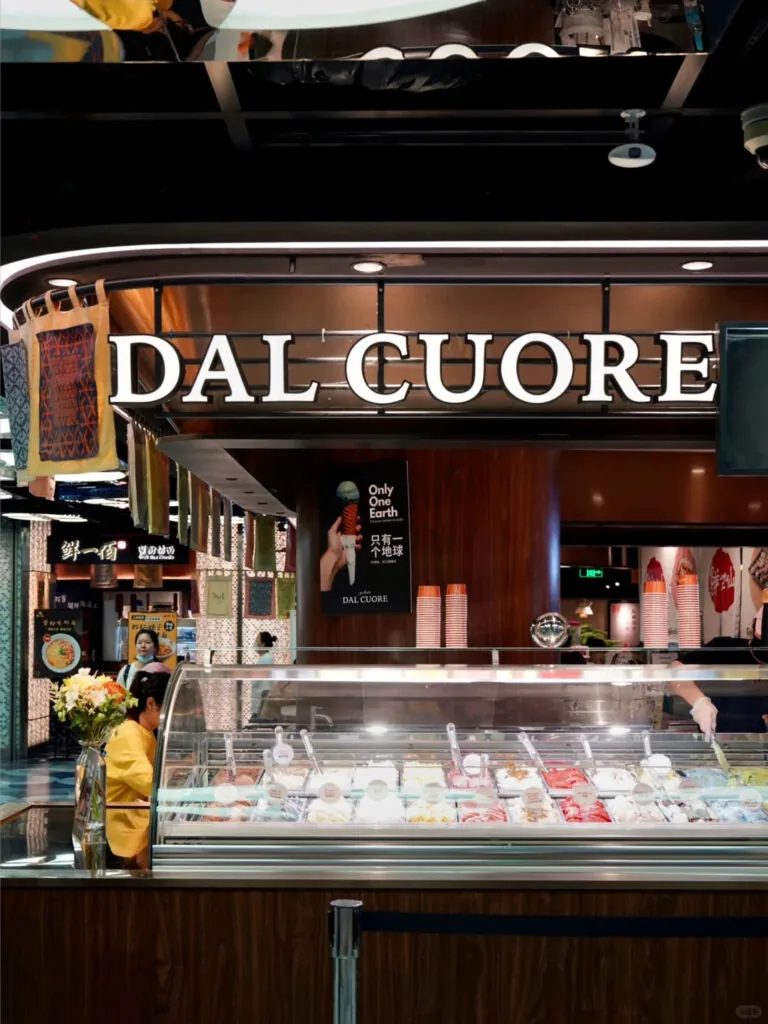
Gelato Dal Cuore redefined the market by successfully pioneering what they call Eastern Gelato. Their exclusivity lies in radical flavour localisation, blending traditional Italian techniques with daring Chinese ingredients like black vinegar, salted egg yolk, or seasonal local plums.
By treating gelato as a seasonal culinary canvas rather than just a dessert, they maintain high repeat-purchase rates. Their ability to bridge the gap between authentic European texture and a Chinese palate has made them a blueprint for brands looking to nail localised premium branding.
The Dao view on China’s gelato craze: Brands must avoid the middle ground trap
The gelato explosion is more than a dessert trend. It is a clinical study in supply chain democratisation. Through localised manufacturing – dropping equipment overhead by 90% – China has effectively stripped gelato of its import premium, moving it from a high-margin, low-volume boutique product to a high-turnover, almost fast-fashion food model.
The real test lies in what you might call the Middle Ground Trap. Players without the massive infrastructure of Mr. Yeti or the cult-like craftsmanship of Azabuya risk becoming cannon fodder.
To survive the inevitable post-viral cooling phase, brands must pivot from being a social media check-in (网红) to a staple component of the treat economy. To do this, they’ll have to keep that fresh-made soul alive.