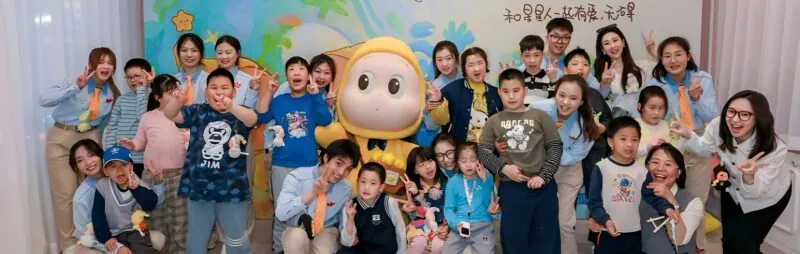




For Mother’s Day 2026, several brands in China have presented a vision of a mother as a woman with an identity beyond childcare. They aren’t leaning on broad emotional cues. Rather, campaigns focus on how that identity shows up: habits, choices, moments of self-direction.
Across categories, motherhood is treated less as a fixed role and more as one part of a wider, more personal sense of self. In doing so, brands are tapping into a consumer landscape where individuality is becoming more legible, and where marketing built around personal needs and identity is starting to carry greater weight.
Tmall 天猫

Tmall’s Mother’s Day film – Mum Seems to Be in Love(我的妈妈好像恋爱了)– skips the usual sentimentality and zooms in on small behavioural shifts: face masks, lipstick, impulse deliveries. It comes with a twist. Mum is behaving as if she’s found romance, but really she’s just taking time to prioritise herself.
Its point is to rethink identity. Through the narrative, children are encouraged to look past the role of motherhood and start paying attention to the woman behind it.
Proya 珀莱雅

C-Beauty brand Proya reframes gifting with ‘Special flowers for special mums,’ pairing a themed gift box with films that spotlight playful, introverted, and expressive mothers.
Activations span Rednote and a Hangzhou flower truck tour. The campaign messaging builds on previous work: moving beyond a single ideal of motherhood towards something more personal, varied, and real.
Babycare

Babycare is using Mother’s Day to question why childcare is still framed as a mother’s responsibility. The campaign comes backed by the message ‘nurture the mother first,’ and a crowdsourcing a find a new name for the ‘mummy bag.’
Beneath the rethinking of maternal roles is, once again for Mother’s Day 2026, a message that shifts focus onto maternal wellbeing, positioning self-care as a necessary part of raising children.
Gilco 格力高

Food and snack brand Glico is spotlighting mothers’ overlooked other sides. Through a series of Shanghai metro ads, the brand challenges the stereotype of the selfless, one-dimensional mum. Instead we see the more personal, playful identities beneath.
The campaign also supports the launch of a healthier Pocky line, using the moment to reposition the brand as more aligned with modern lifestyles and evolving expectations around health and family roles.
Jinlingguan 金领冠
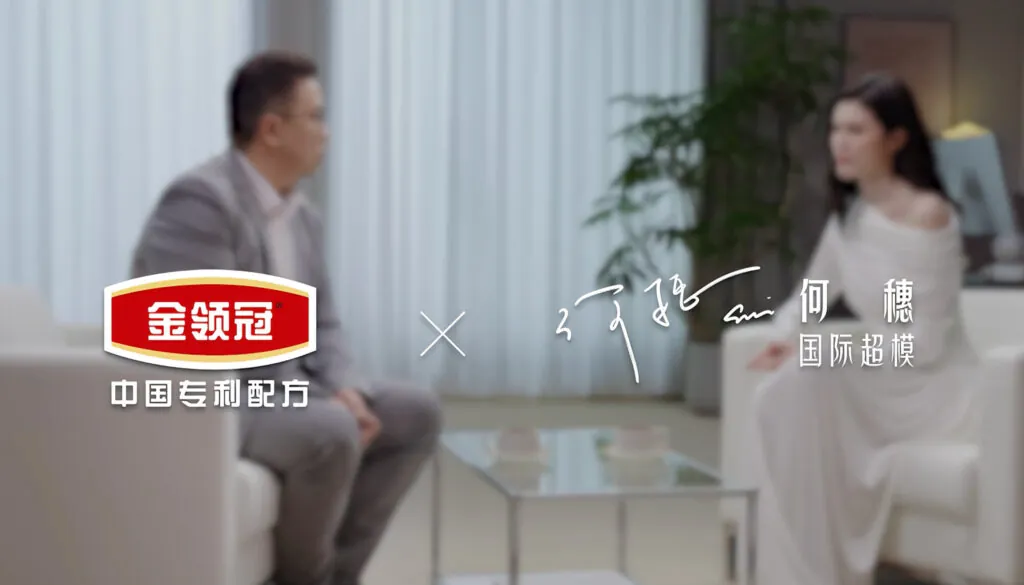
For Mother’s Day, baby formula brand Jinlingguan (金领冠) partners with Chinese supermodel and actress – and also new mum – He Sui (何穗 ) to rework the idea that mothering requires constant physical presence.
Through a slice-of-life short film, the brand taps into growing conversations around the pressures of motherhood, positioning Jinlingguan as a supporter of mothers reclaiming a bit of guilt-free autonomy.
Feihe 飞鹤
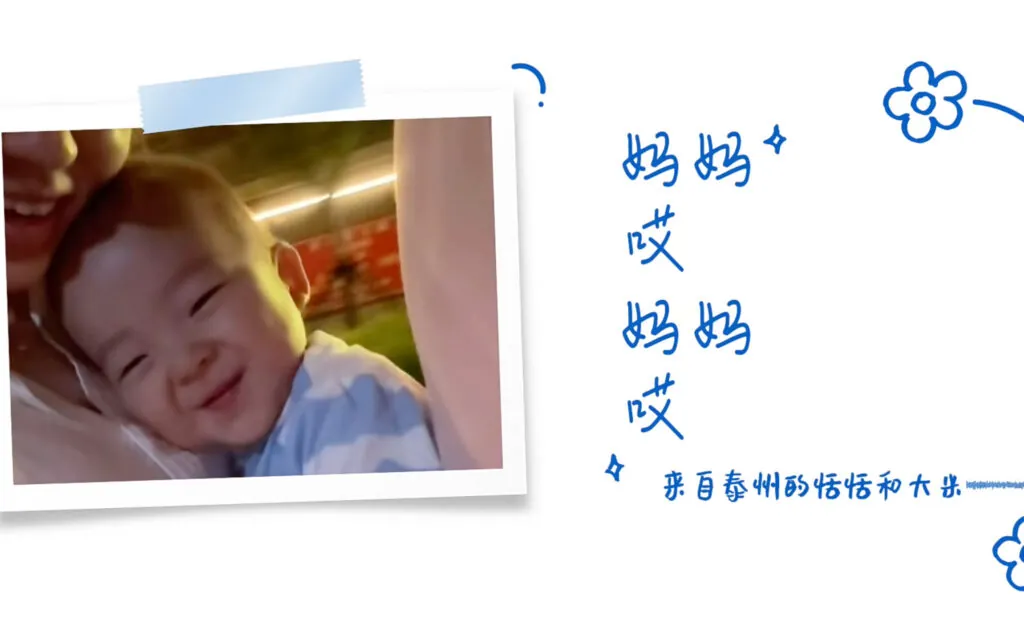
Another baby formula brand, Feihe, has also gone down the brand film route. They appointed actress Mei Ting (梅婷) as Companionship Ambassador and put together a film built around the everyday utterance ‘ai’ (哎), a sort of habitual verbal response a bit like ‘yeah’ or ‘uh huh’ in English?
By linking the sound to ‘ai’ (爱, love), the campaign reframes maternal care as constant, low-key responsiveness rather than grand sacrifice. Grounded in daily moments and extended to intergenerational ties, the work reinforces Feihe’s positioning around accompaniment-led parenting and emotional connection.
The Dao View: Mother’s Day 2026 was a time for redefinition
Mother’s Day 2026 marketing in China is shifting from gratitude to redefinition. Across Tmall, Proya, Babycare, Glico, Jinlingguan, and Feihe, a common thread emerges: moving beyond the archetype of the self-sacrificing mother.
Campaigns are dialing down overt emotion in favour of behavioural nuance, identity, and autonomy. The narrative is no longer about thanking mums, but about seeing them – often for the first time – as individuals.
In China, individuality is gaining ground as both a social value and a commercial driver. And so, there’s an opportunity for brands: relevance now comes from recognising the nuances of personal identity, not flattening them. The more closely marketing aligns with individual needs, the more it resonates at scale.