



The same week that much-discussed Shanghai hoardings announce the arrival of NikeSKIMS, another big player enters the China activewear market, not by brick-and-mortar. Online. Alo (爱洛) has launched its flagship store on Tmall.
Sales reportedly surpassed RMB 10 million (US$1.4 million) within the first minute of launch
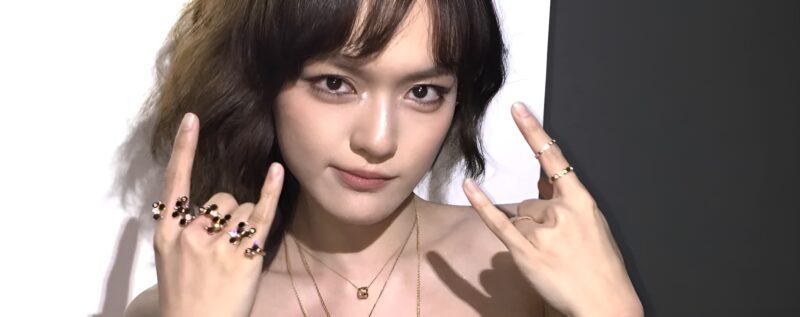
The brand’s launch-day campaign features actress Zhao Lusi (赵露思) decked out in Alo clothing and the genesis of a WeChat mini-programme. It’s a classic China rollout, one that allows brands to sample demand and generate interest without committing spend on physical retail locations.



It’s safe and symbiotic. Alo has an exclusive relationship with Tmall, so there’ll be no hosting stores on competitor platforms. In return, Tmall gives Alo access to a crowd of young consumers – just who Alo is targeting – and an arm-long list of sales data, storage and distribution benefits, and instant exposure. The latter has already proved itself true: Sales reportedly surpassed RMB 10 million (US$1.4 million) within the first minute of launch.
Launching on Tmall is also an anti-counterfeit move. The brand had generated 240 million topic views on Rednote in the days before launch. Imitators circled. Reporters at Time Weekly found 1,000 applications for similar trademarks, alongside unofficial products and even ‘self-created’ Alo designs from Yiwu, a city known for its textile trade.

The market is being prepped with an eight-week programme of running clubs, yoga, cycling and city walks in Shanghai
Alo isn’t avoiding physical locations altogether. This is just a bridging strategy. Their first Greater China store is already sited for Hong Kong’s K11 Musea in September. The mainland, too, is being prepped with an eight-week programme of running clubs, yoga, cycling and city walks in Shanghai. That’s a move straight from Lululemon’s game, and it comes at a time when they’re seeing a lot of newcomers muscle in on their market.
The Dao view: Alo can’t rely on hype in a hyper competative activewear market
A digital-first launch should offer a glimpse of the market before a brand pays for physical stores. The buzz around Alo’s launch makes that sample hard to read. Zhao Lusi’s fans, accumulated pre-orders, and a limited-edition tote compressed demand into a big opening minute.
Tmall will show what sold and where but the repeat demand remains unclear. The Shanghai community programme will be the place to watch. RMB 10 million headlines look flashy, but what happens in the months after will reveal whether Alo has attracted a wellness community or mobilised a fickle fanbase.