


Relaxation has become one of the defining lifestyle aspirations of these busy times. Countless brands know it. But while they’re marketing around self-care and mindfulness, Basao isn’t.
Its recently renovated Shanghai Rockbund store offers a glimpse into that strategy. More than a retail refresh, the space reflects BASAO’s long-running belief that tea’s future lies not in gifting culture or social rituals, but in helping people reconnect with themselves.
Tea as an antidote to overstimulation


Chinese consumers have spent the past few years searching for ways to reclaim a sense of balance. A love of outdoor activities like hiking to birdwatching attest to that. Emotional wellness too. Many of the country’s fastest-growing lifestyle trends share a common thread: they pull attention away from screens, out of work, and back towards the present.
Unlike most forms of modern consumption, tea decries speed. Water must be boiled. Leaves need time to brew. Brewing requires attention. In a culture built around instant gratification, that’s rare.
Social media knows it. Under Rednote’s Tea Drinking Daily Life (喝茶日常) tag, users document slow moments of brewing, tasting, and reflection. The content feels noticeably calmer than the endless stream of algorithm-driven recommendations surrounding it. Basao’s idea of the value of tea lies somewhere near here: as a tool for creating space and attention in everyday life.
Turning stores into spaces for reflection
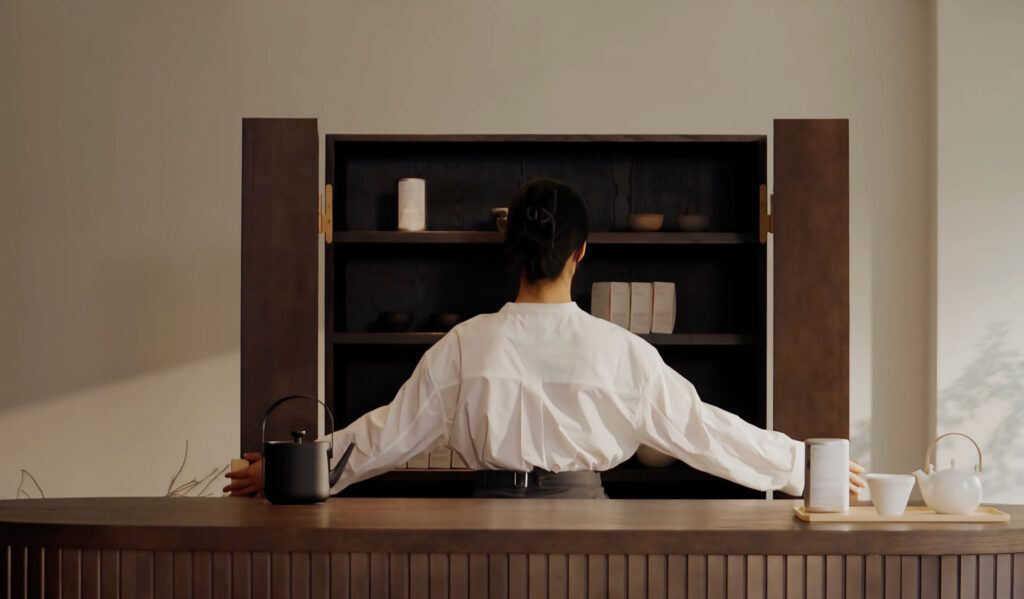
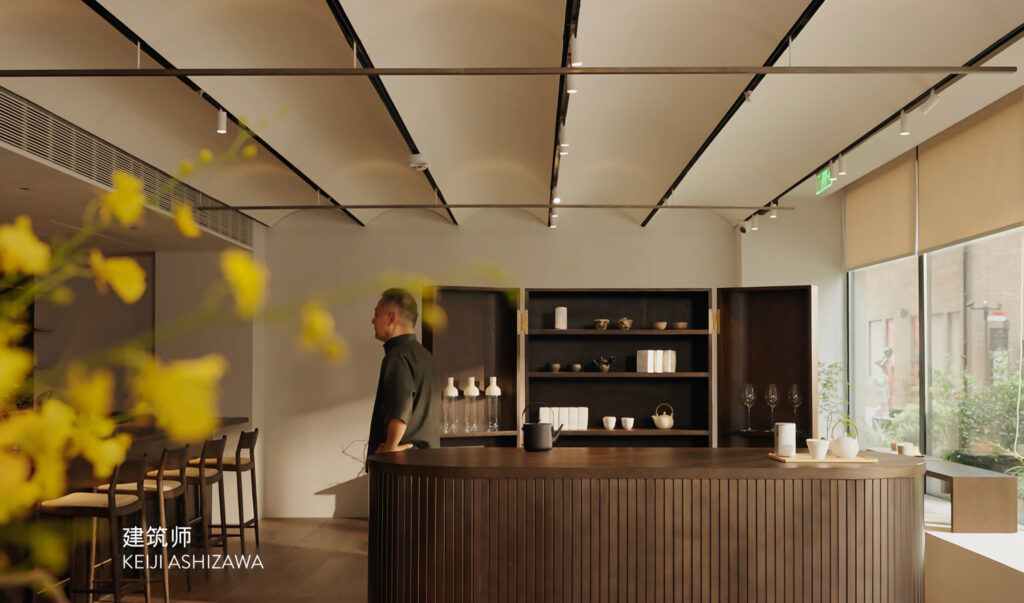
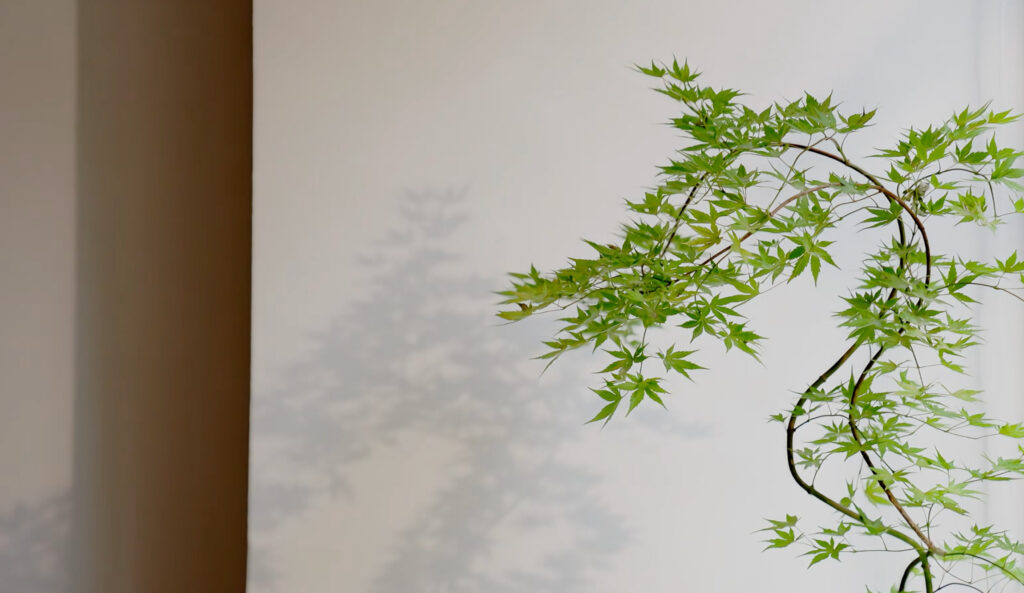
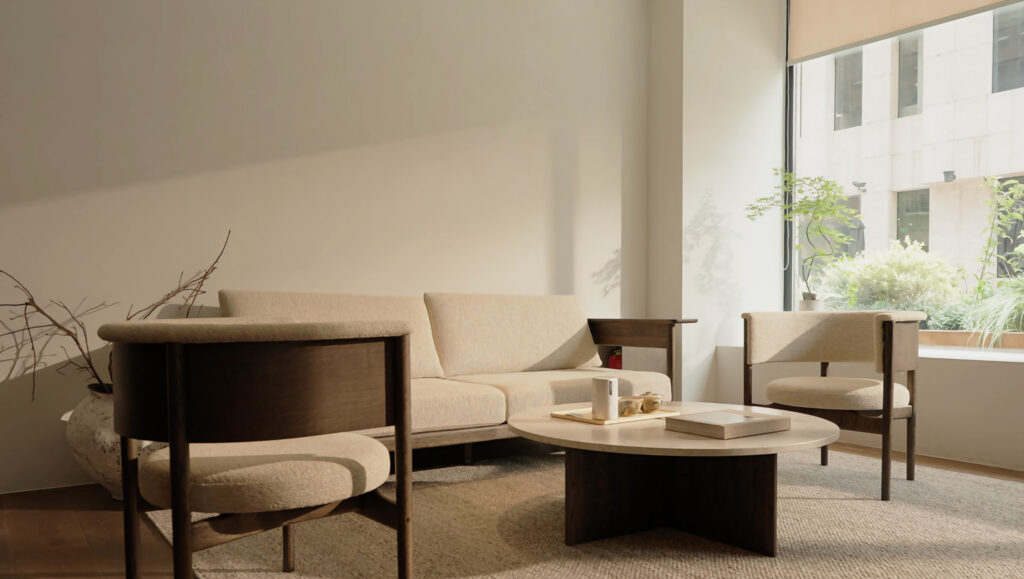
Created by Japanese designer Keiji Ashizawa, the brand’s Shanghai Rockbund location is designed around that idea. Natural materials, soft lighting, and floor-to-ceiling windows to create a gradual transition from the noise of the city outside to the quiet interior.
It’s intentionally sensory. They want visitors to slow down before they sit down, and teaware plays a key role in the experience. They work as the broader tea-drinking proposition, and an artistic, creative element at play in the ritual. Different materials, shapes, and origins are linked to different teas, moods, and occasions.
This is basically a modern take on the ancient gongfu tea ceremony and Basao’s interpretation at that. The Rockbund store is the first complete expression of this retail-plus-experience model, and Basao plans to bring it to future locations.
How Basao lowers tea’s barriers to entry
Of course, bringing millennia-old Chinese tea culture to modern consumers also means making it easier to understand. Tea is still one of China’s most culturally significant products. It can also be intimidating. Categories, regions, harvests, and processing methods create a steep learning curve for newcomers the way grapes and fancy French names do for fine wine.
To navigate this, Basao looked to the specialty coffee market and to simplification. The brand describes teas through flavour and aroma rather than technical jargon. Notes such as honey, lychee, citrus, or flowers help consumers navigate products through personal preference rather than expertise.
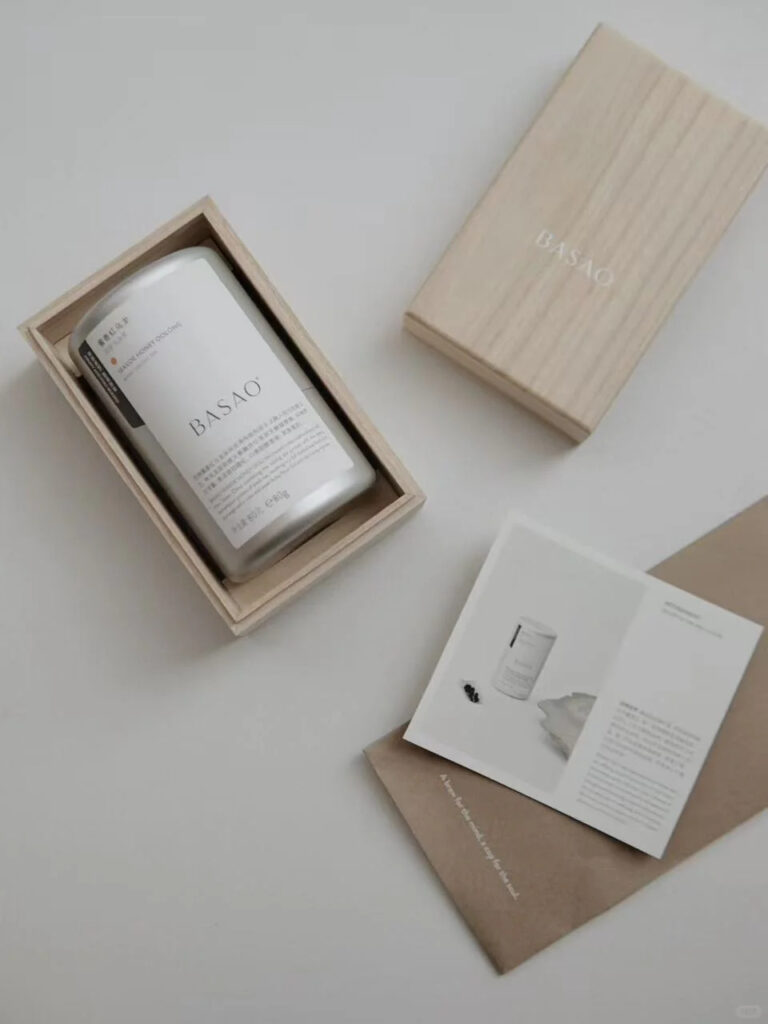


To simplify further, Basao doesn’t cover all major tea categories, it focuses primarily on oolong tea – organised into three simple groups based on oxidation and roasting levels.
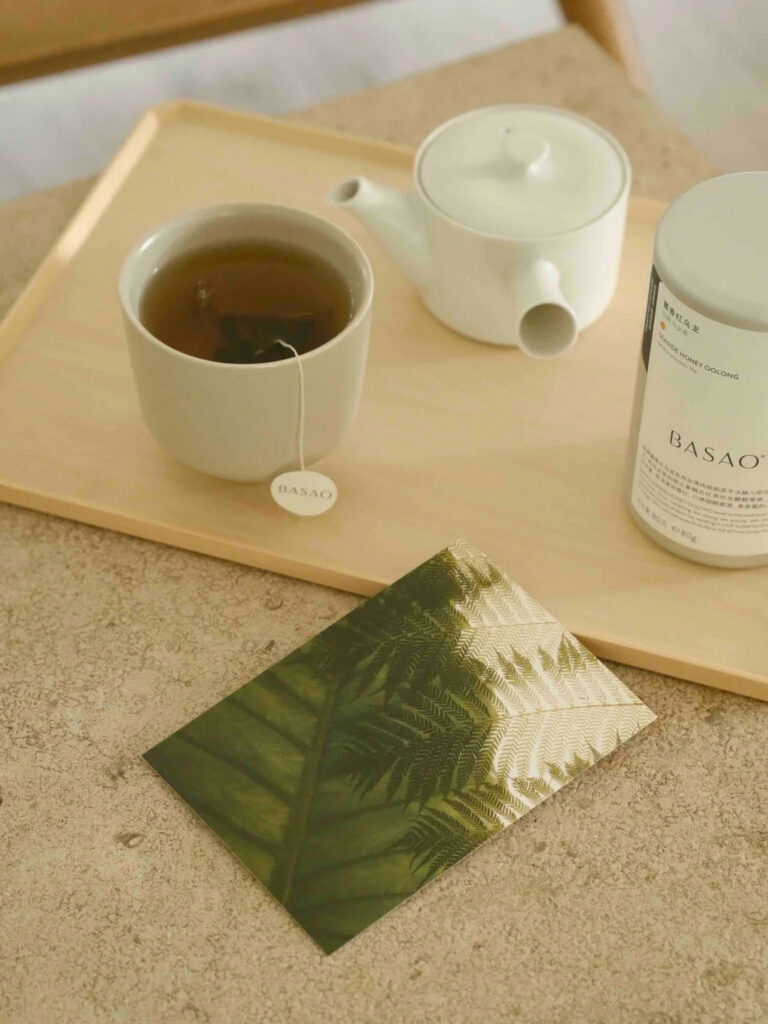
Packaging has its role too. The brand’s signature silver canisters use minimalist design and colour-coded flavour indicators that make products easy to browse and understand at a glance, and that aforementioned teaware adopts similarly restrained aesthetics.
BASAO and the Dao of tea
Many tea brands have spent the past decade trying to modernise tea through novelty. They add off-brand flavours, market through peace of mind or a good night’s sleep. Basao is bucking the trend and turning tea into a habit.
As Chinese consumers grow sceptical of constant stimulation and endless consumption, brands are finding value in helping consumers slow down rather than speed up. That makes Basao’s proposition of a thousand-year old tea drinking concept surprisingly contemporary.