



Chinese fashion: Key takeaways
- Chinese fashion brands are turning Made in China from a manufacturing label into a marker of design, craft and innovation
- Labels including Guo Pei, ICICLE and Uma Wang show there is no single formula for building Chinese luxury at home or abroad
When I was growing up, Made in China told clothes shoppers where something had been assembled. The tag signified scale and speed, low prices, and poor quality. The imagination behind the designs was never mentioned.
This is all changing. Chinese brands are in the ascendant. Homegrown fashion labels now show on prestigious runways and share wardrobe space next to global luxury’s biggest names. These are seven of the brands you should know if you’re watching that shift.
Guo Pei 郭培
Turning Chinese craft into haute couture
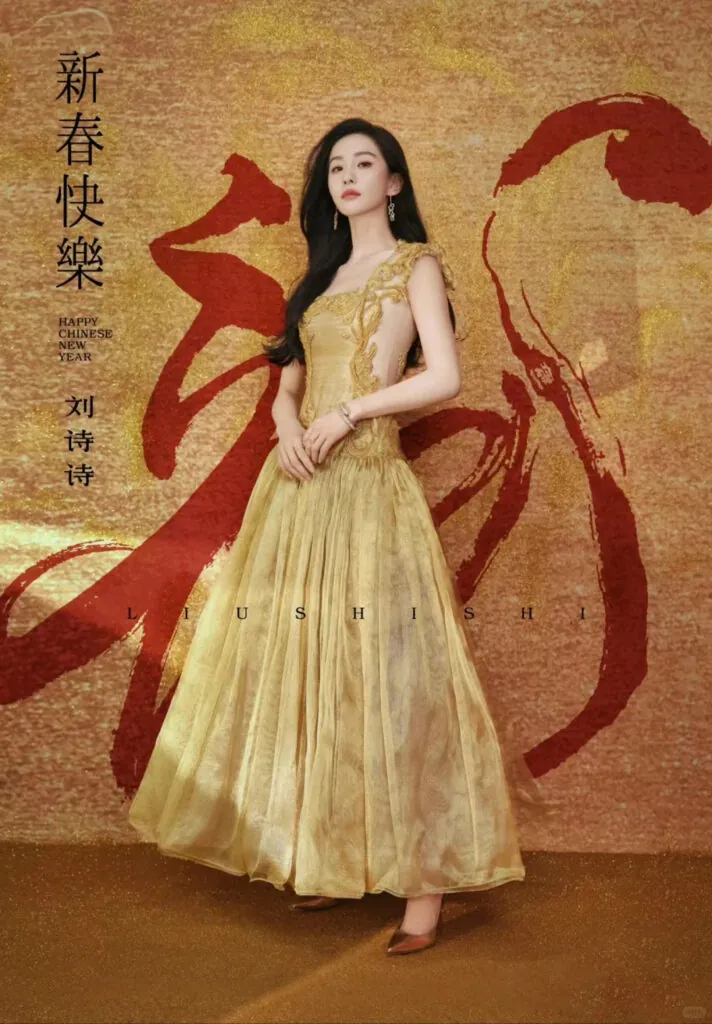
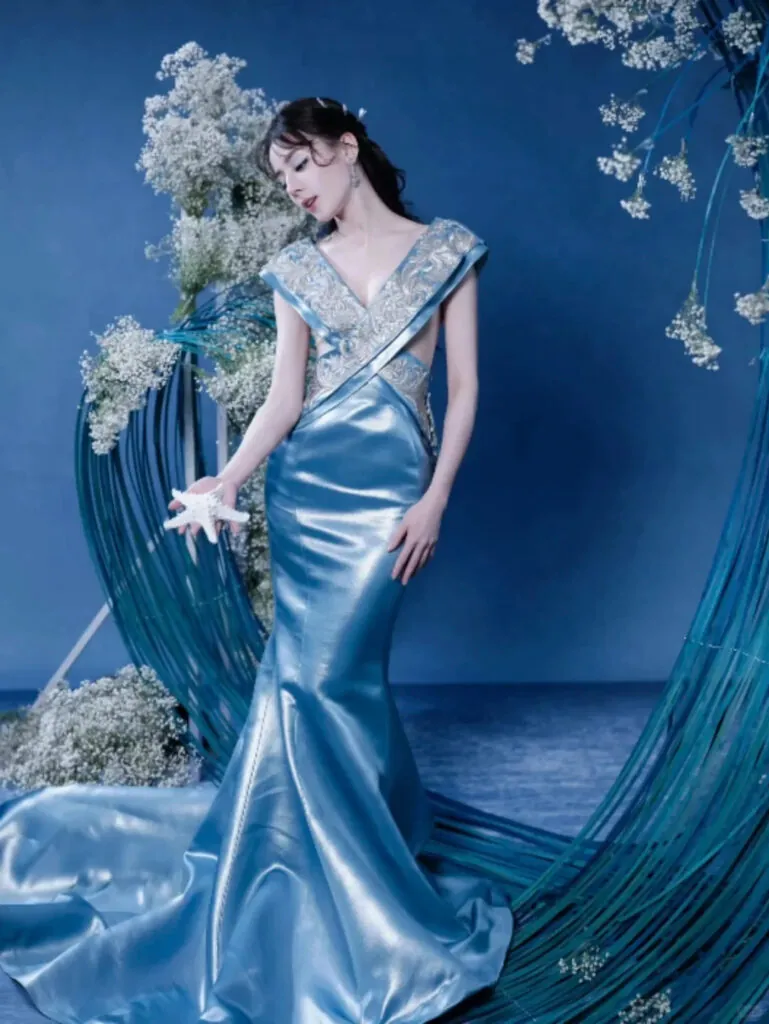
Guo Pei (郭培) established Rose Studio in Beijing in 1997. Back then, China barely had a modern couture industry. Her embroidered, architectural gowns have since entered international museums and Paris couture.
Rihanna’s enormous yellow Met Gala cape was hers, and that won the brand major attention
Rihanna’s enormous yellow Met Gala cape was hers, and that won the brand major attention. But Guo Pei’s biggest achievement has been building an atelier that kept its aesthetic Chinese-ness even when stepping out into the global market.
ICICLE (之禾)
Making the factory part of the luxury story

ICICLE offers the clearest reversal of old made-in-China narrative, in that their proposition rests heavily on Chinese manufacturing as an expertise field. They put the whole production system on display, keeping their claims about natural fabrics transparent.
It’s a proposition that’s attracted a minority investment from Gucci owner Kering in April of this year – that’s 2026 if you’re reading this in the future, by which point ICICLE will likely have far outstripped their 200 stores across 140 Chinese cities.
Uma Wang (王汁)
Proving Chinese fashion need not perform Chineseness

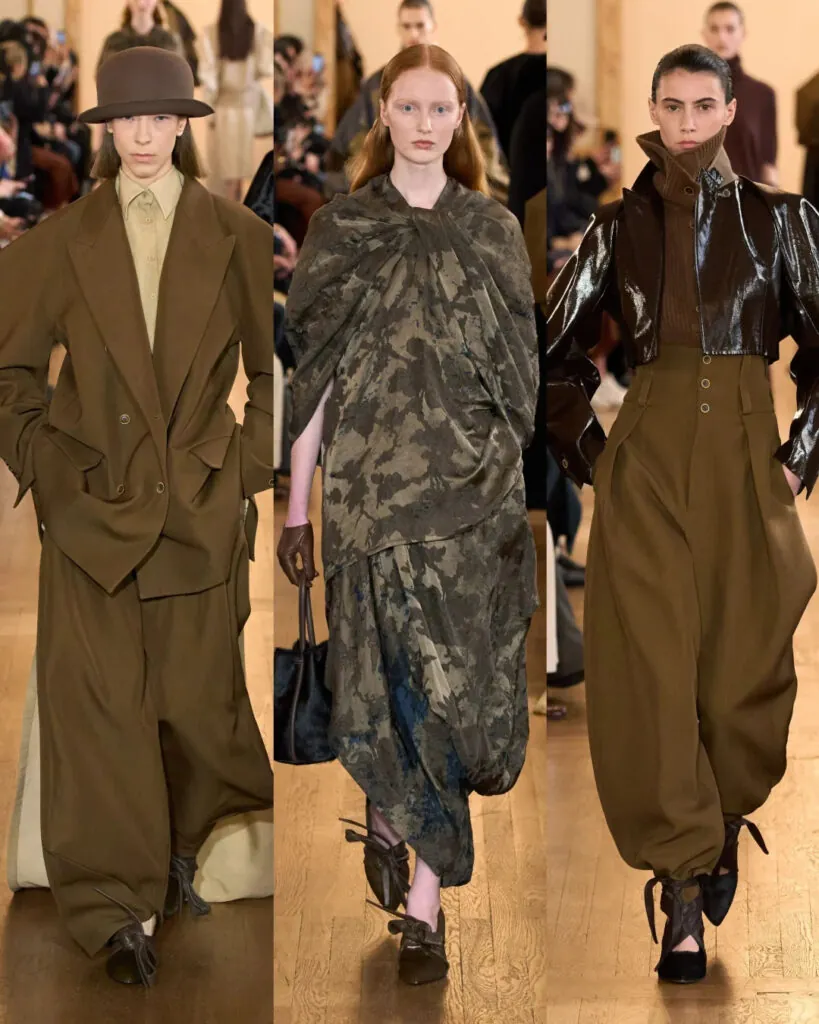

Uma Wang built her reputation through textiles and subdued colour – a style notably free of the obvious national symbols. The label was established in 2009 and went on to become the first Chinese designer brand to enter Milan Fashion Week’s official calendar. It then joined Paris in 2017.
Her success expanded the definition of Chinese design. International recognition no longer depended on conspicuous dragons, knots or other immediately legible cultural motifs. The authority came from the clothes themselves, and what went into making them.
Feng Chen Wang (王逢陈)
Putting craft into conceptual menswear

Feng Chen Wang uses deconstruction and technical outerwear to carry techniques and materials associated with her Fujian upbringing. Bamboo, plant dyeing and regional craft have appeared throughout her collections. None of it feels like a gimmick either. Her stated ambition is to build an international Chinese luxury menswear brand while challenging stereotypes attached to Made in China.
Susan Fang (方妍楠)
Handwork meets technology

Susan Fang approaches luxury as material invention. Her signature Air-Weave textiles, air-pleating, sculptural macramé and 3D beading combine the hard, fiddly work of assembly with mathematical and digital processes.
The result complicates the separation between artisan and machine. As an example of how far Made in China has come, Fang shows how China’s technical manufacturing culture can produce experimentation, not just scale and speed.
SHUSHU/TONG
Data as a sales indicator
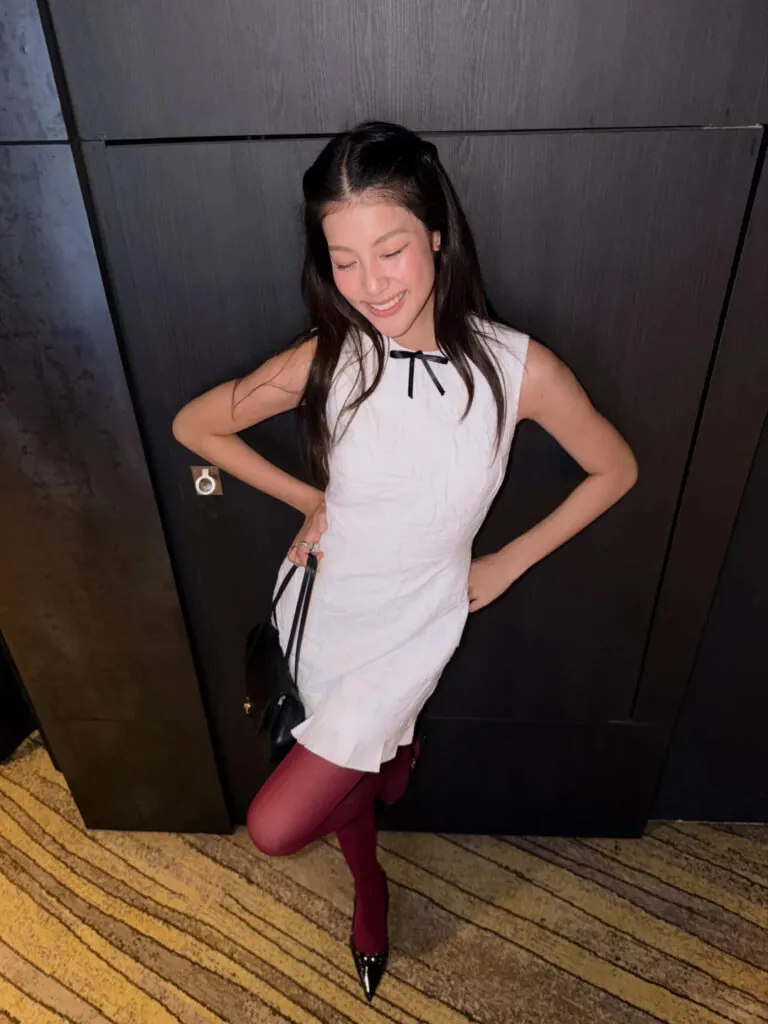
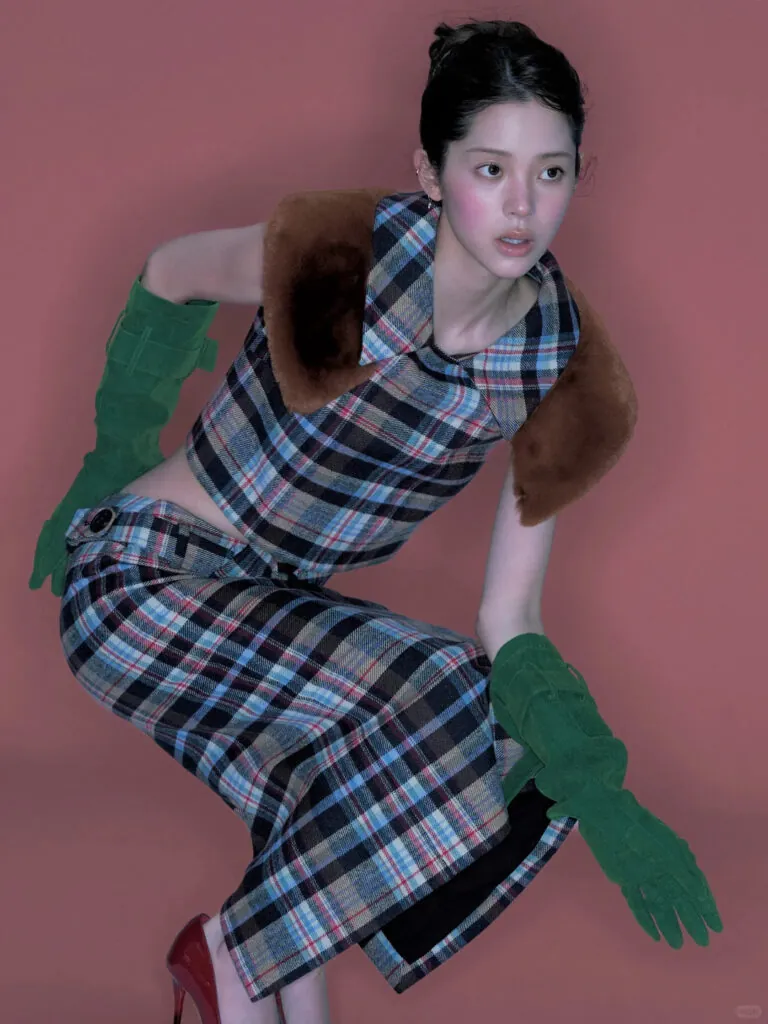
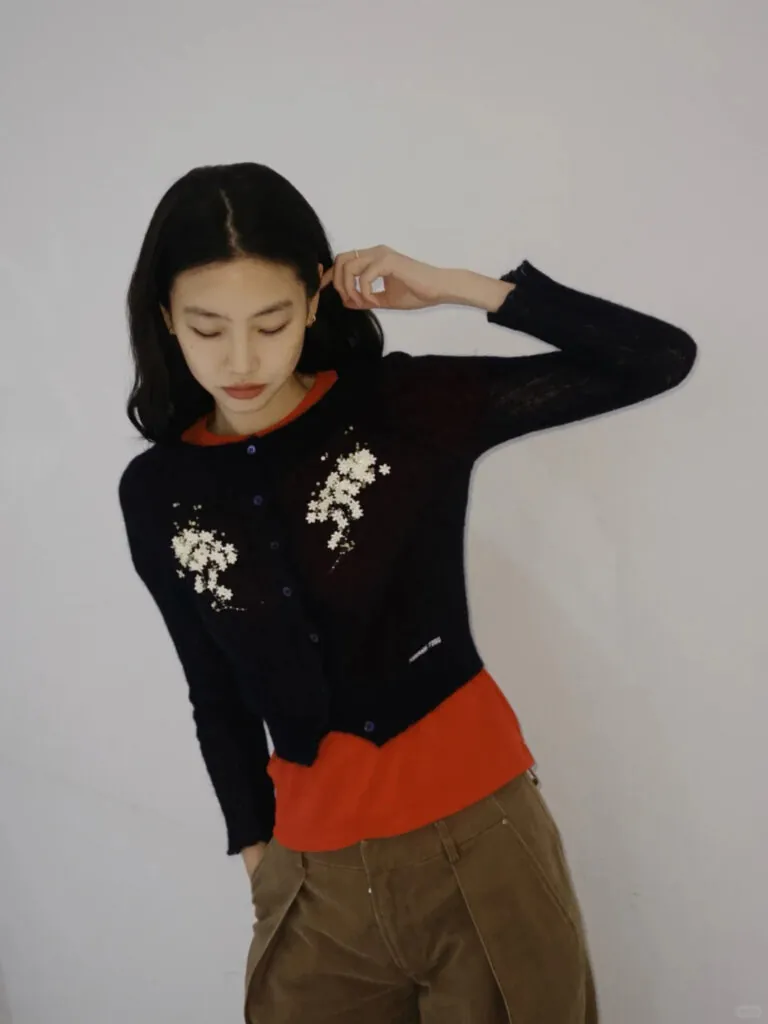
Founded in Shanghai by Liushu Lei (雷留树) and Yutong Jiang (蒋雨彤), SHUSHU/TONG built a house on girlish looks, bows and pleats. Tmall sales data then helped the founders identify enduring commercial styles and push in those directions. Recognition followed, as did the Paris showrooms that carried them abroad.
By late 2025, the label had more than 40 international stockists. You’re reading about it here because the data element demonstrates how China’s digital retail system now has the ability to sharpen a designer identity.
Songmont (山下有松)
Taking Chinese bags towards the mainstream


Songmont began in 2013 with a bag sewn by founder Fu Song’s mother. It now operates almost a dozen Chinese concept stores and sells functional leather bags internationally. The price point sits below European megabrands, but it’s the momentum that’s significant. If you’re looking for the posterchild of Chinese faith in their own luxury brands, look no further than Songmont.
The Dao view: Made in China becomes a luxury proposition
These brands are not following one Chinese luxury formula. Some revive endangered crafts, others emphasise manufacturing prowess or cultural confidence. Behind this is, of course, a wide and robust network of digital feedback and consumers whose definition of status is changing.
Chinese heritage has emerged as something global consumers are willing to pay luxury prices for
But the really important thing that ties them all together is that they don’t water down their Chinese-ness for the global market. Really, they lean into it. Chinese heritage – though it lacks the recognition and mythology of European and American fashion houses – has emerged as something global consumers are willing to pay luxury prices for. Made in China is the source of that value, no longer a country-of-origin tag.