



_来自小红书网页版12-1870x797.jpg.webp)
Chinese robot maker UBTech Robotics has broken some kind of barrier here. Perhaps it’s one we will never recross. Yes, they’ve gone and done it: put to market what’s being described as the world’s first full-sized humanoid emotional companion robot.
Presales for the U1 robot will run until 15 July with a required deposit of RMB 3,000 (approx. US $440). The big release date is set for 30 June, and more than 3,000 units have reportedly been preordered, many on Chinese e-commerce channels.

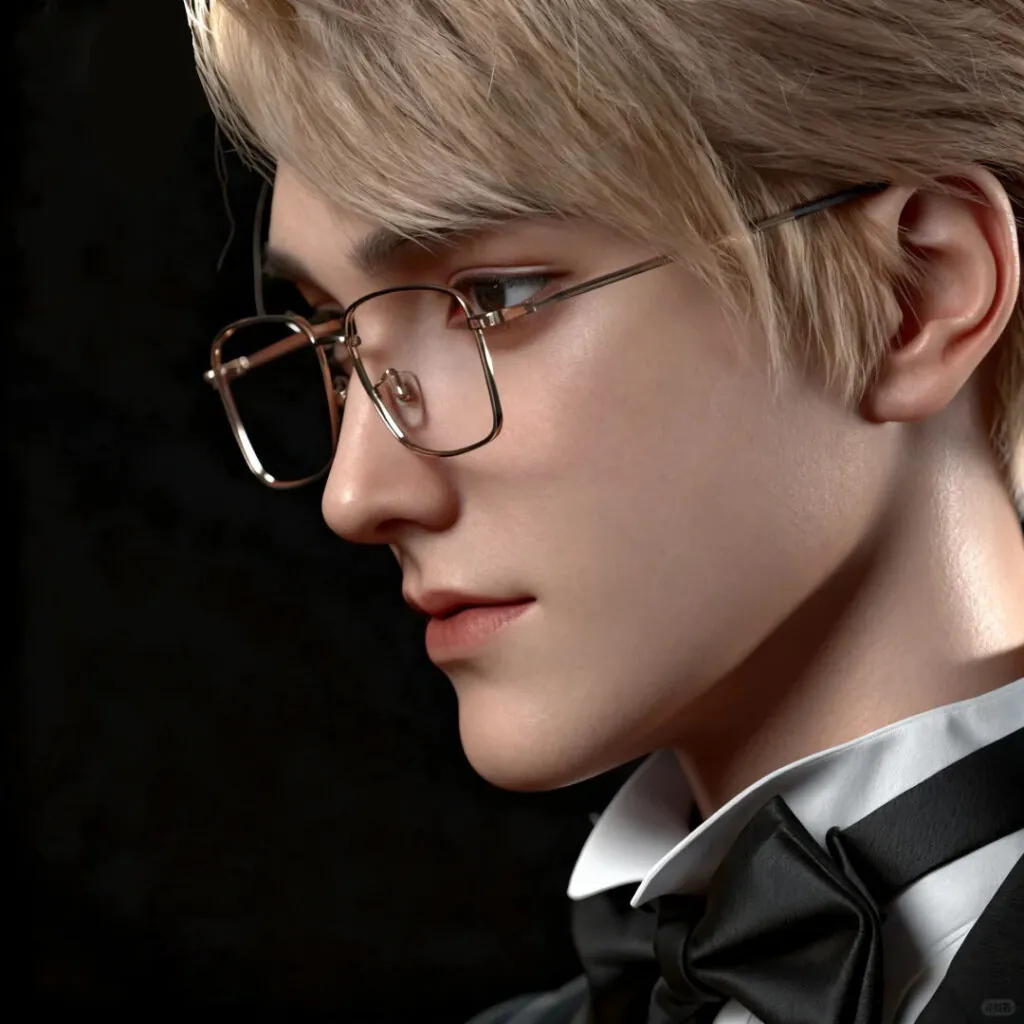
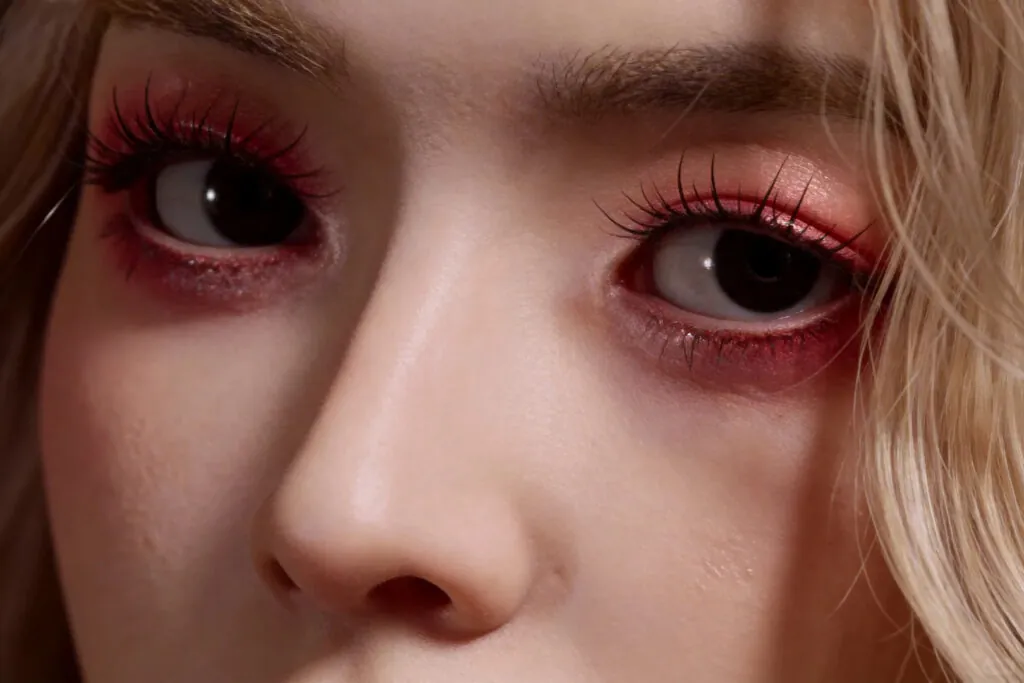
If you’re in the market for automated love, you’ve got two options: a 42kg male, 183cm tall and a slighter female at 35.2 kg and 168cm tall. They’re both customisable, so you can pick to your tastes right down to details that make the product only available to adult buyers.
But all jokes aside, this is a feat of robotics. According to UBTech, the robot features 88 highly mobile joints, encrypted memory storage and affective AI designed to enable emotional interaction. The robot can connect to Wi-Fi, recharge via standard charging systems, and offers a battery life of between two and four hours (enough time to build a meaningful connection?).
_来自小红书网页版-476x1024.jpg.webp)
That’s what UBTech CEO, Zhou Jian, has in his vision of the future: Speaking to Chinese media, he said ‘I think that in 10 or 20 years, the next generation may fall in love with humanoid robots,’ He added that UBTech’s goal is not to create a sex robot, but rather a companion capable of providing emotional support, conversation and shared experiences.
The Dao view: of course the world’s first emotional companion robot is Chinese
There’s plenty to laugh at here, but there’s also plenty to consider: The U1’s launch comes as China strengthens its lead in humanoid robotics. According to Morgan Stanley, annual sales of Chinese-made humanoid robots are expected to more than double to around 28,000 units this year. Chinese manufacturers made about 90% of global humanoid robot shipments in 2025.
The real question is no longer whether humanoid robots will become part of daily life, but how quickly consumers will accept them. If China’s robotics companies can make the technology affordable, useful and emotionally engaging, today’s novelty products may begin to look like early prototypes of a much larger consumer robotics market. The smartphone transformed how people interact with information. Humanoid robots could eventually transform how people interact with machines.