




Lululemon has sparked backlash with a slip up at its Great Wall yoga festival. The brand – which usually gets China right when it comes to cultural sensitivity – has now drawn major heat across Chinese social media, all because of a drum performance.
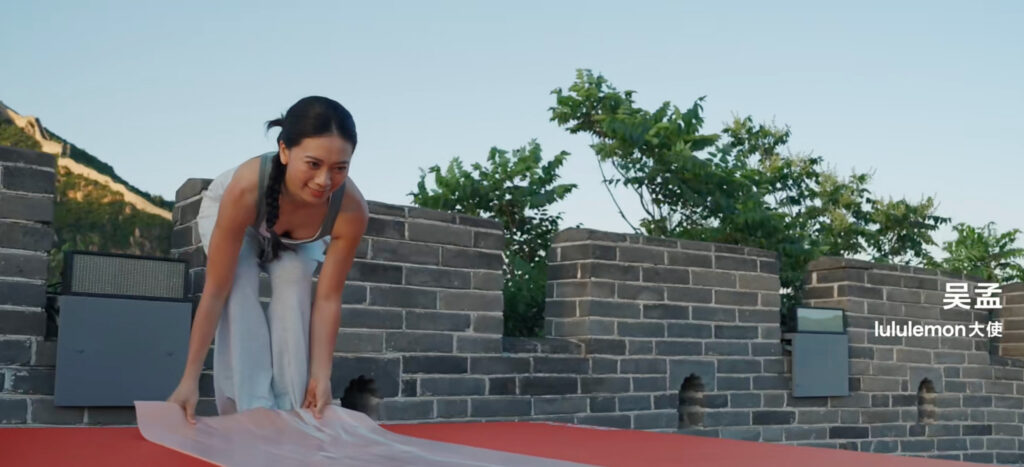
More than 2,000 people were in attendance on the Great Wall. The brand’s ten-year-China anniversary was cause for celebration. Yoga sessions, performances, community activities, and celebrity appearances were the order of the day.
- The incident surpassed 50 million views on Weibo
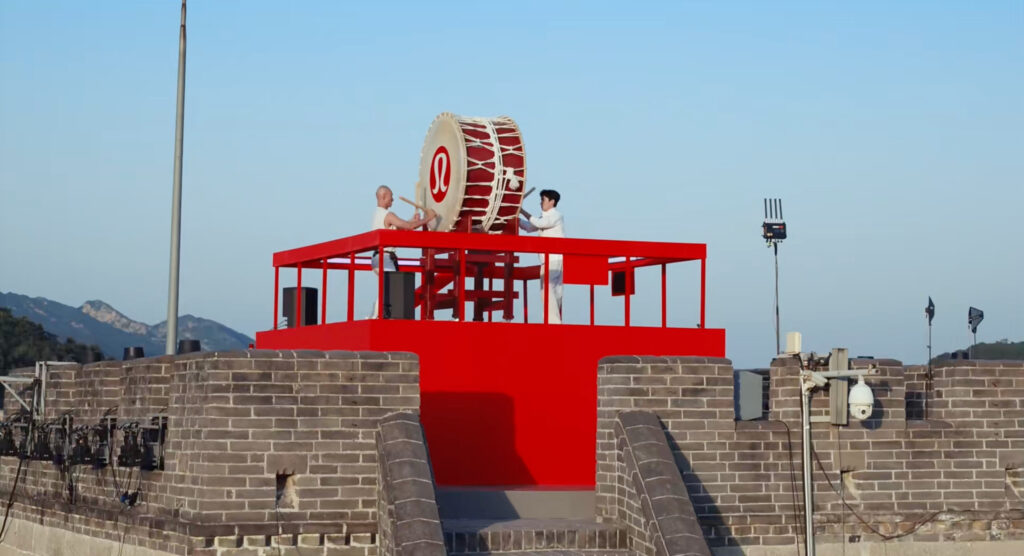
The controversy begins with one such celeb: Zhu Yilong, a huge name in China and long-time ambassador for the brand. As promotional material circulated, fans noticed the drum Zhu had posed next to looked a lot more like a Japanese taiko drum rather than a traditional Chinese dagu drum.
The familiar pattern followed. Posts questioning the choice of instrument spread rapidly across Weibo, where discussion of the incident surpassed 50 million views. Critics argued that the use of a Japanese-style drum was inappropriate at an event positioned as a celebration of Chinese culture.
With criticism mounting, Zhu Yilong’s studio publicly called for a response from the brand. Lululemon issued an apology on Weibo this week. They stated that the event had been intended to pay tribute to Chinese culture. The company also admitted it had failed to identify potential sensitivities during the planning process and pledged to adopt a more rigorous review process for future cultural collaborations.
The brand has since removed related event content from its social media channels. The participating drum troupe also issued a public apology.
The Dao View: Lululemon shows cultural details matter with its Great Wall drum show backlash
China’s consumers are often remarkably forgiving when brands make honest mistakes. What they are less forgiving of is cultural carelessness. For global brands, localisation needs to extend far beyond simple language and branding. The smallest symbolic detail can become the biggest story.
This is especially true of those increasingly positioning themselves as participants in Chinese culture rather than simply sellers of products, as Lululemon has done for much of its ten years in China. For them, it’s a lesson that’s been truly drummed home.