



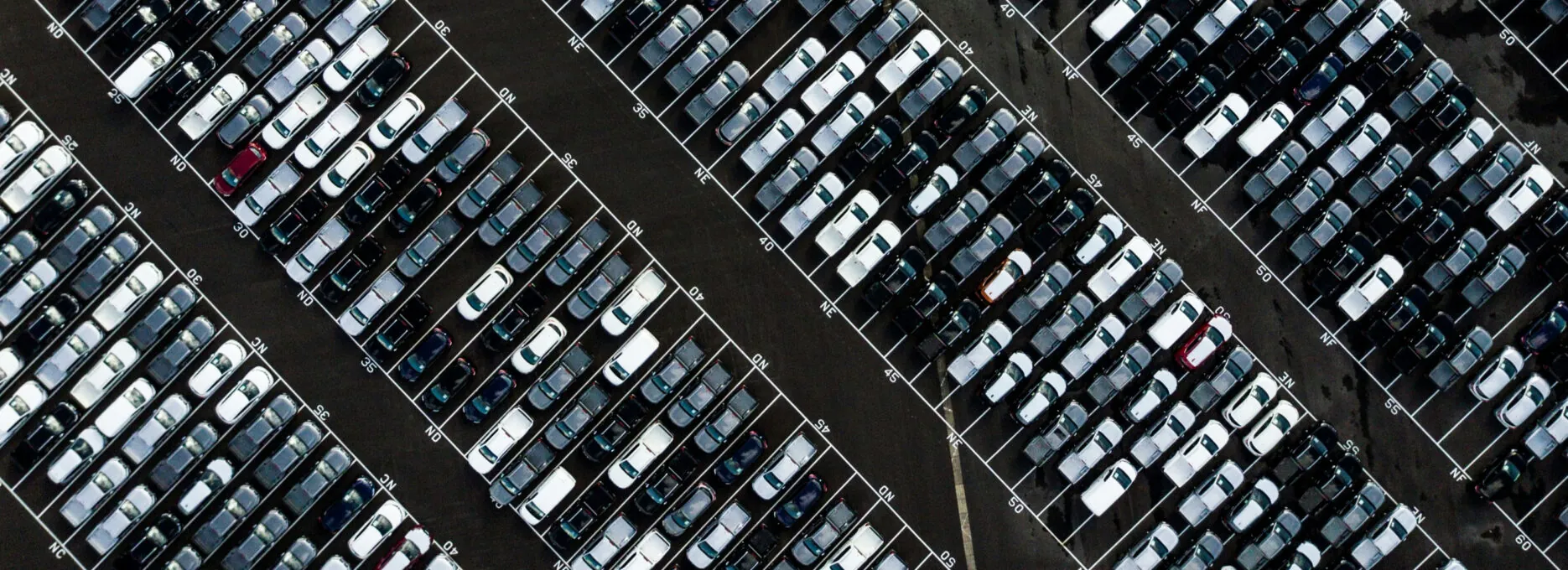
New data from Citi analysts has turned up a fact that might have Europe’s car manufacturers worried. 30% of the European car market could be in the hands of Chinese companies by 2035. That gives them a larger share than Volkswagen Group, who currently holds 26.5% of the EU market.
Where do we stand now? Citi’s analysis puts Chinese share of the market at 10% in April 2026. They also say that tariffs and a ‘made-in-Europe’ package of protectionist measures under the proposed Industrial Accelerator Act might slow the rapid snapping up of market share.
Even then they admit Chinese brands will still increase their share up to 15% of the market, a figure that would put Chinese manufacturers close to Stellantis, currently on 16.4%.
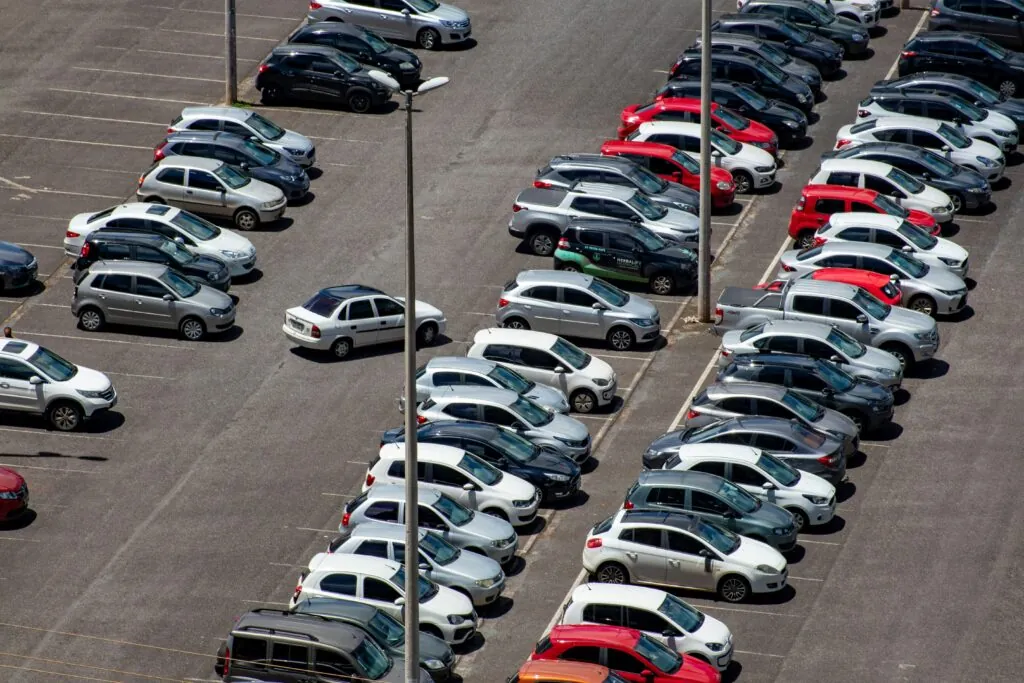
This is important to note because even at that size, Chinese brands would be disrupting the market substantially. They’d effectively create a third bloc alongside Europe’s two largest groups.
Chinese brands would be disrupting the market substantially
That 10% baseline figure is contested though. It covers one month across 18 Western European markets. A separate estimate put Chinese brands at 6% across Europe for the whole of 2025, ranging from around 11% in tariff-free Britain to just over 2% in Germany and France.
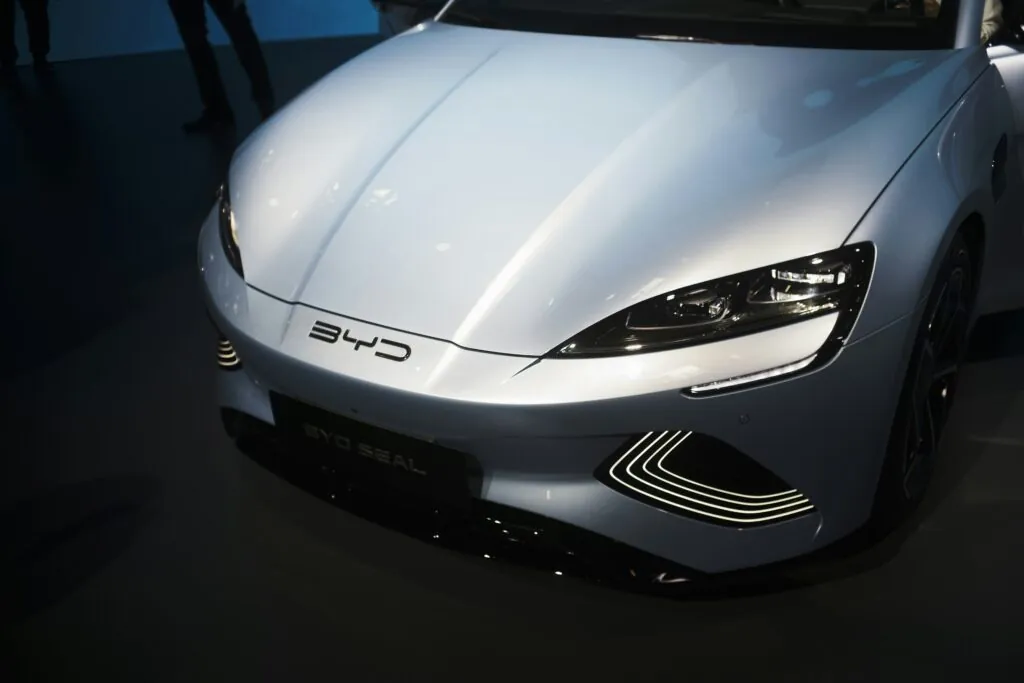
What is undeniable though is momentum. During H1 2026, EU registrations rose 168.2% for BYD, 268.7% for Chery, and 526.7% for Leapmotor. SAIC-owned MG grew more slowly, although its 2.2% share still matched BYD’s.
The Dao view: Tariffs are localising China’s advance
Europe can use tariffs to slow Chinese automakers, but total exclusion is not on the cards. In fact, tariffs just drive localisation. Where EVs have been taxed, Chinese companies sell hybrids. Where imports are hit, they build factories.
The EU may not be able to stop Chinese carmakers gaining customers in Europe. What it can do is require them to build cars locally, buy European components, employ European workers and invest in local technology. That way, even if European brands lose market share, some of the economic benefits remain in Europe.