


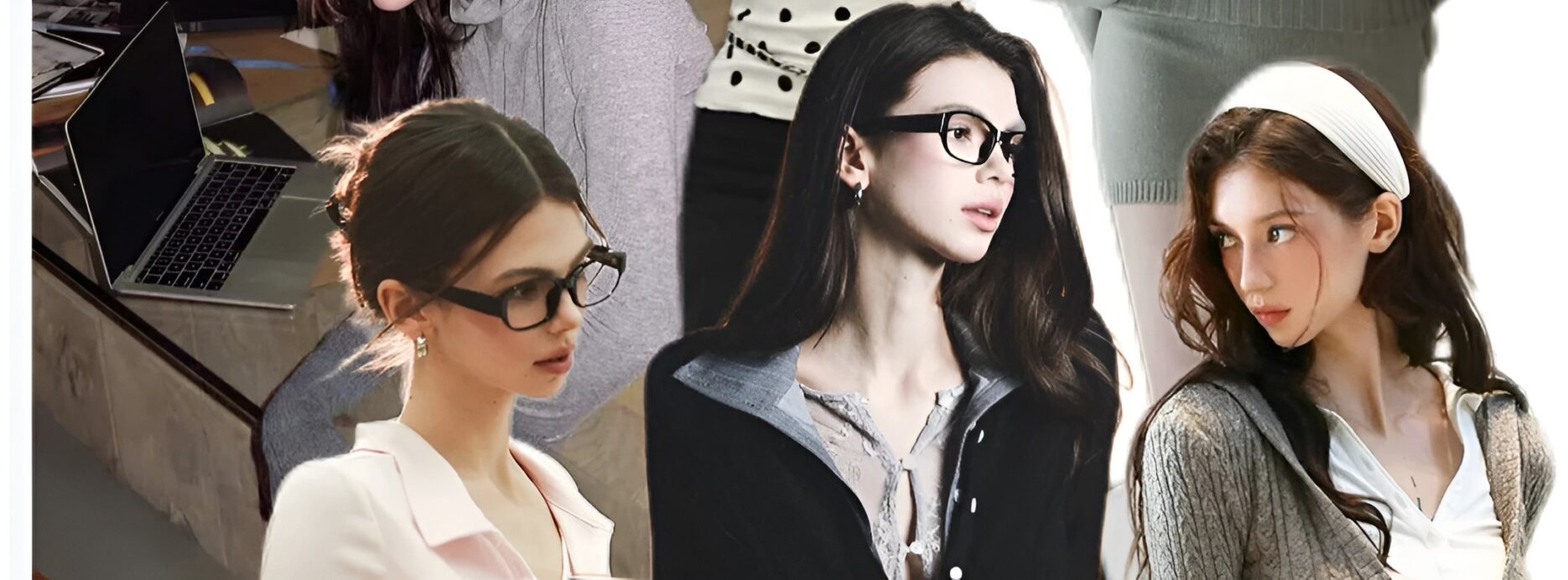
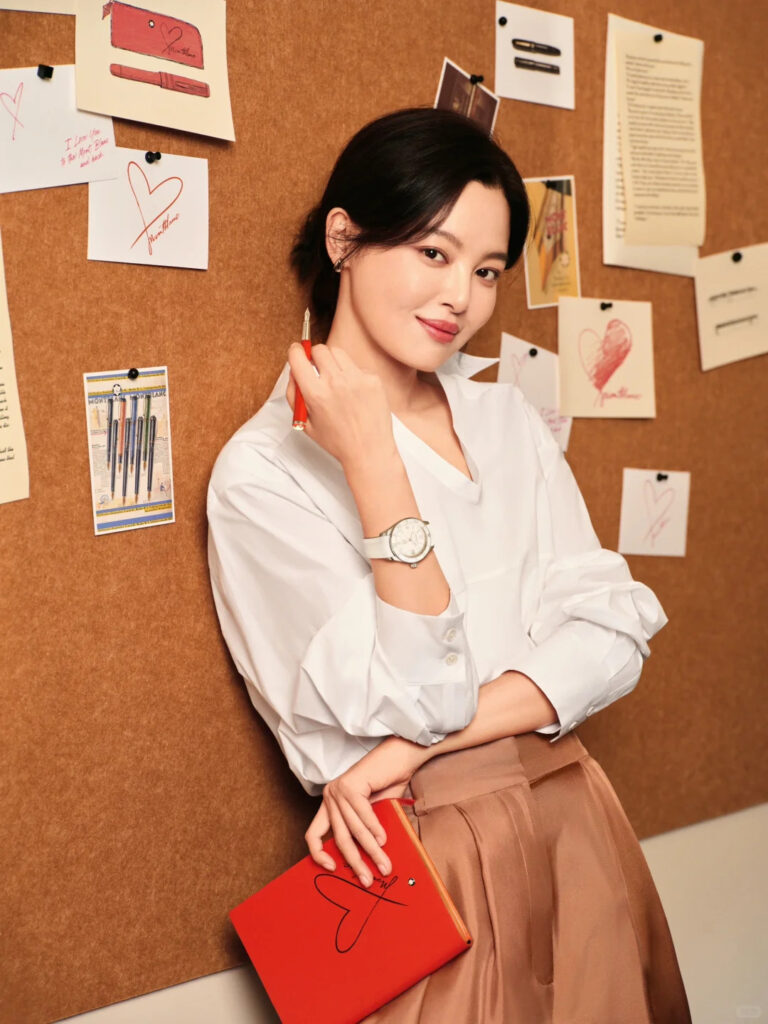
A new status symbol is taking hold among China’s luxury consumers: looking intelligent. On Rednote, the trend is known as gaozhigan (高智感), or high-intellect dressing. Its wardrobe is easy to recognise – restrained tailoring, muted colours, discreet accessories and, frequently, a well-placed pair of glasses.
Actress Xin Zhilei (辛芷蕾) has become one reference point for the look. Brands including Prada, The Row and COS already speak its minimalist visual language. Beauty is following too, replacing exaggerated internet-celebrity makeup with controlled, polished looks intended to suggest competence and self-possession.


On the surface, this sounds like a skin-deep trend: luxury with a library card. Dig a little deeper and you’ll see the aesthetic reflecting a wider movement from financial to cultural capital. Knowing about art, literature, craftsmanship or an obscure designer can now communicate status more effectively than carrying an instantly recognisable logo.
Knowledge can now communicate status more effectively than carrying an instantly recognisable logo
There’s also something of note in mainland China’s contracting luxury market. According to Bain, it contracted by 3–5% in 2025, after falling 17–19% in 2024. The cautious consumers that are often said to be behind that contraction are scrutinising quality and meaning. For them, making an informed purchase is easier to justify than an obvious display of spending power.
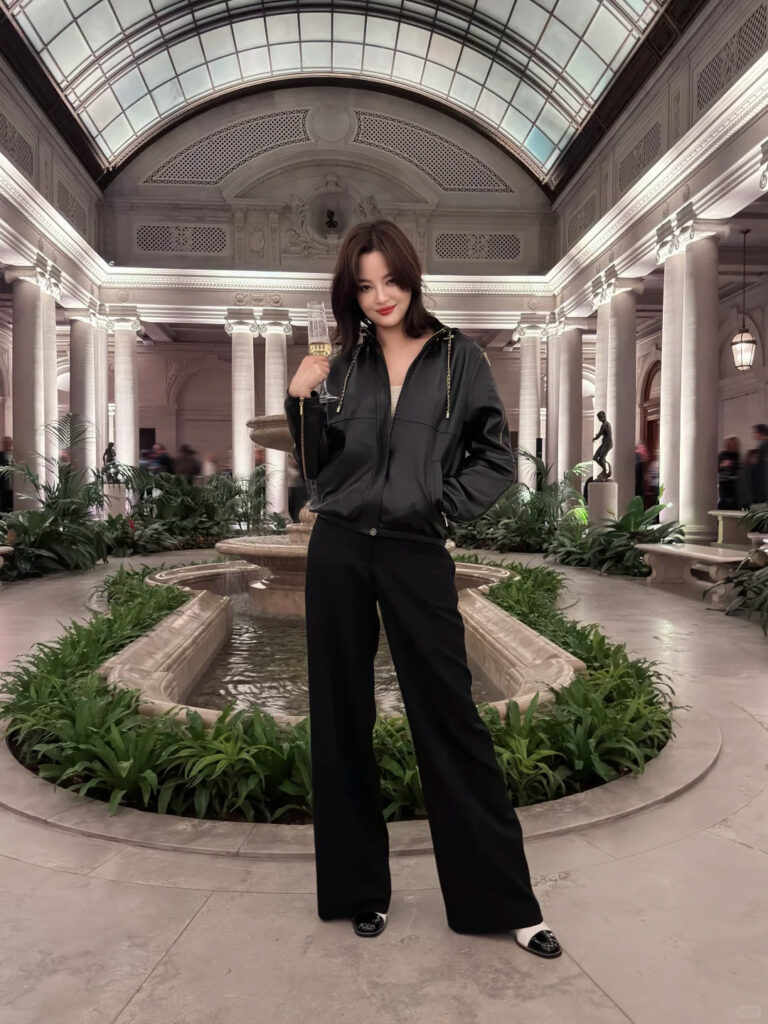

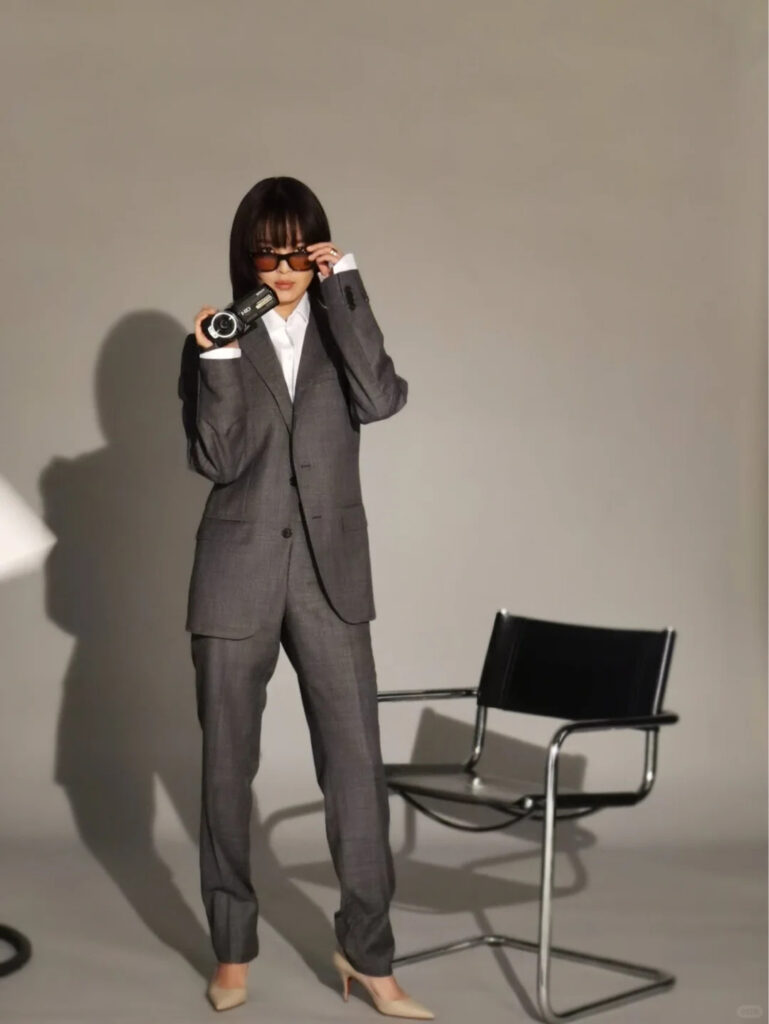
And add to this a spicy bit of politics. Big-wig regulators in China have repeatedly targeted social-media content promoting xuanfu baijin (炫富拜金) – flaunting wealth and worshipping money – in recent years. That doesn’t negate the desire to dress in luxury gear, but it does change the ways in which it is socially acceptable to wear it.
China’s luxury consumers are not abandoning status. This is about displaying it more subtly.
Prada can draw on its arts programming and Cartier has built authority through the Cartier Jewellery Institute. This is the kind of cultural capital that high-intellect dressers value.
The Dao view: What does the future of gaozhigan look like?
China’s luxury consumers are not abandoning status. This is about displaying it more subtly. But brands shouldn’t rush to cash in. It could all change by next week. But here’s an interesting thought: An exhibition, bookshelf or bespectacled ambassador cannot manufacture intellectual credibility. If the trend lasts, will the future see writers, professors and cultural experts become more valuable as brand partners than conventional traffic celebrities?