



Ten years ago, Lululemon rolled out their first brick-and-mortar store in China. It was a pivotal moment for the brand and the country. In the decade since, China has become Lululemon’s biggest growth market, and Lululemon has become a Chinese obsession. Behind these ten years of success is a strategy that set Lululemon on a path different from its rivals. It sits on three pillars.
Community always came before scale
Long before it commanded hundreds of stores, before it was even a recognisable brand, Lululemon invested heavily in community. They didn’t want big, flashy celebrity endorsements. Rather, they wanted to endorse people that were on the ground, using their product. They picked local fitness influencers, leaders of local fitness groups, and let them do the promoting.
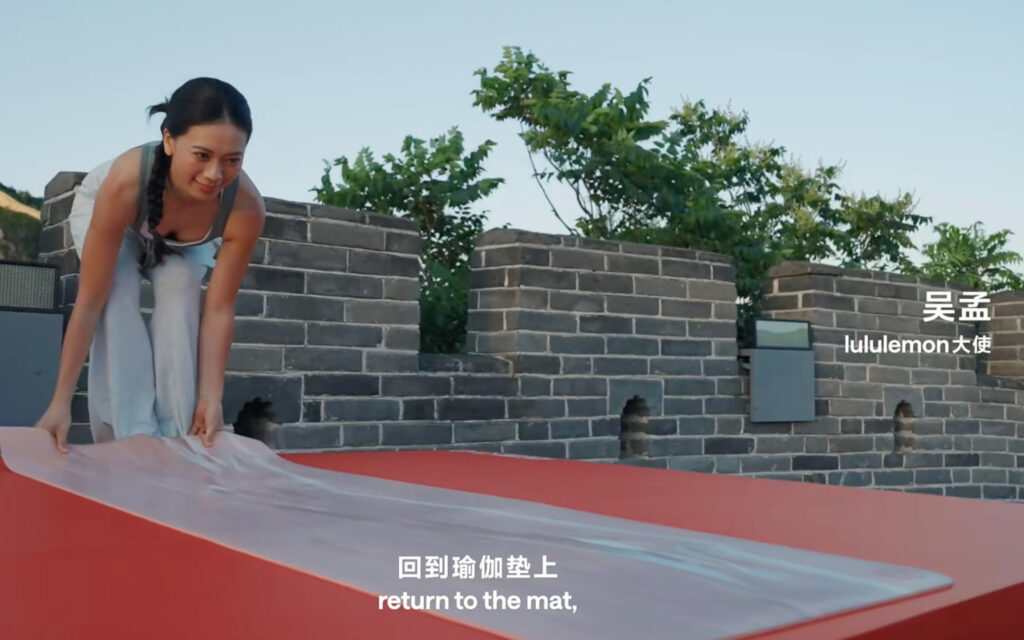
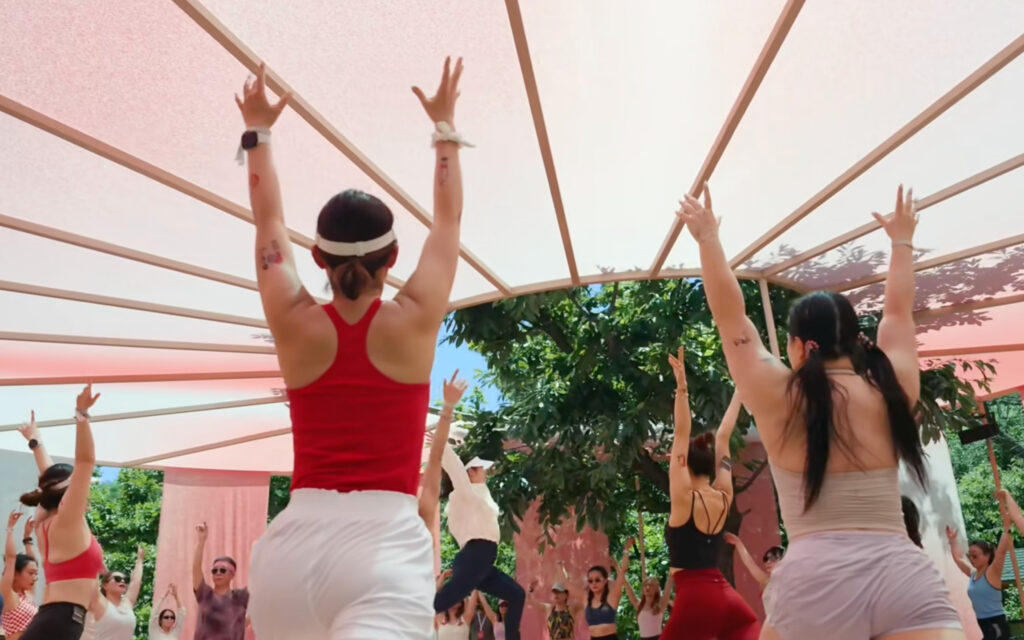
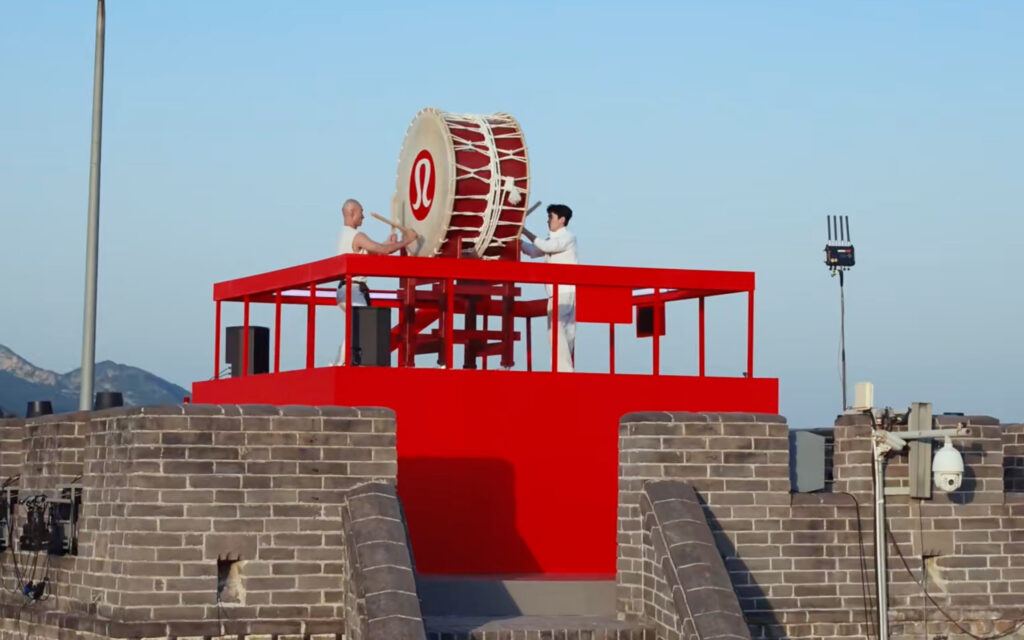
As a result, many Chinese consumers first encountered the brand in yoga studios or at their local run clubs. Stores doubled up here, also functioning as spaces for fitness groups to meet.
There were events. For the brand’s ten-year anniversary, they held a yoga festival on the Great Wall – an event started back in the early days, that’s now pulling in thousands of attendees.
All community building mattered because when Lululemon arrived in China yoga was a small niche. In essence, Lululemon got in at the bottom and helped the segment grow. As it grew, the brand grew alongside.
They selling lifestyle, not leggings


Lululemon was early in positioning its brand as a lifestyle product as opposed to a performance one. It sat – as it does now – somewhere between fitness, mindfulness, self-improvement and premium living.
The lifestyle market is one that’s grown fiercely over the past decade. Lululemon was smart – or lucky – to have cottoned on early – and it’s not the only trend they’ve managed to ride to success. Consumer behaviour has shifted too.
In retrospect, Lululemon arrived just as China’s definition of aspiration was beginning to change. Increasingly, status wasn’t communicated through luxury logos alone, but through the habits people cultivated: fitness, wellness, mindfulness and self-improvement. Lululemon wasn’t selling leggings so much as membership to that emerging lifestyle.
Lululemon localise for China without diluting brand
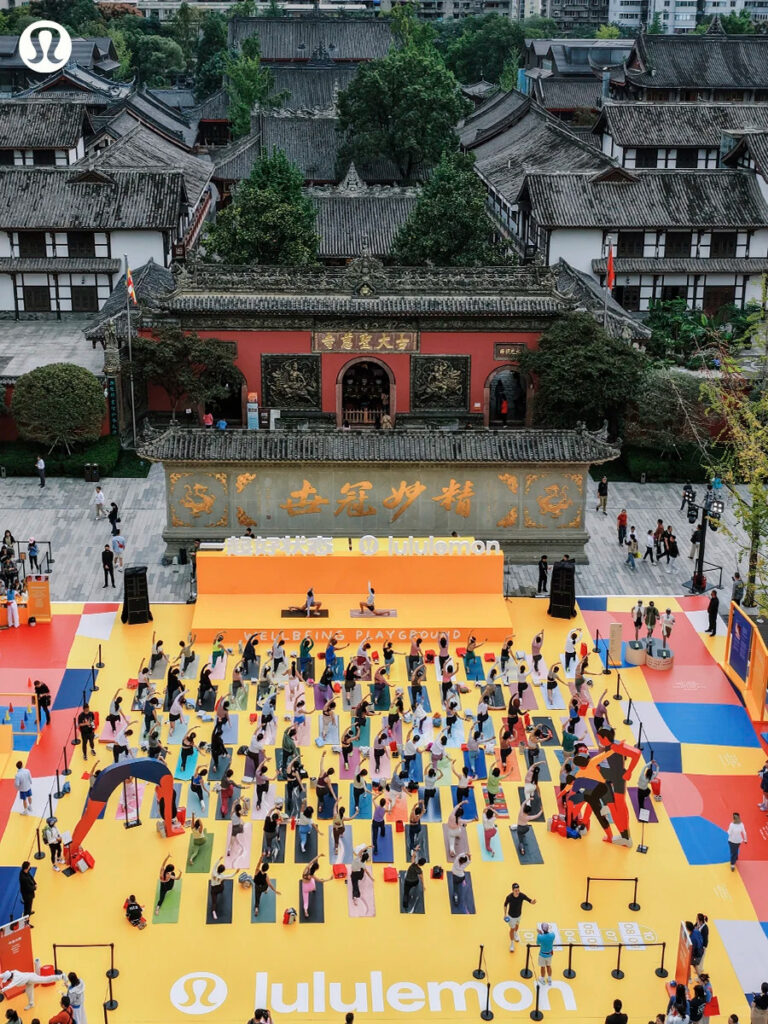
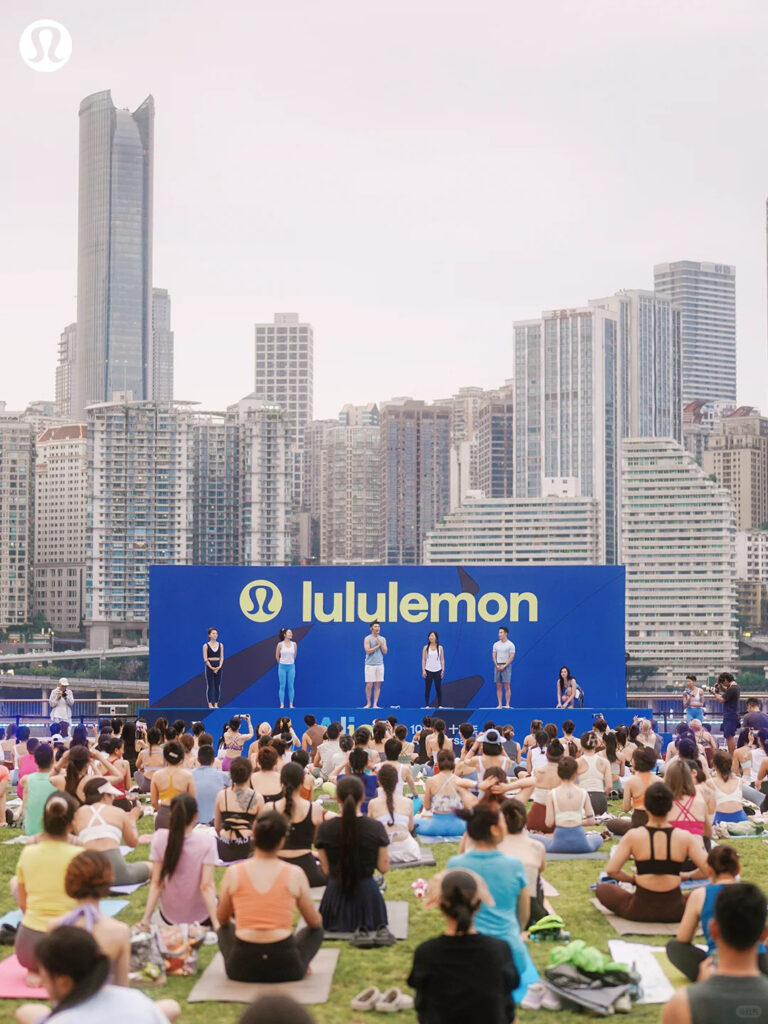
Lululemon arrived a yoga brand and has become something much more. Localisation has been key to that. It’s also an aspect that many foreign brands struggle with, but Lululemon seems to have understood well.
We can think of this as something of a paradox: localise too little and you appear disconnected, localise too much and you lose the qualities that made consumers interested in you in the first place.
Lululemon now offers whole ranges of China-specific products, and its local activations regularly reference local culture, but its product philosophy and visual identity remain globally consistent. The result is that consumers experience Lululemon as a global brand that understands China, rather than a global brand trying to imitate a Chinese brand.
What’s next for Lululemon in China?
A decade in, Lululemon faces a very different China from the one it entered. Yoga is no longer niche, activewear is crowded, and rivals from MAIA Active to Alo Yoga are competing for the same affluent consumers.
The challenge now is staying relevant as activewear evolves. That means expanding beyond yoga into broader lifestyle categories and lower-tier cities. It will also mean finding new ways to engage a generation increasingly interested in running, hiking, Pilates and holistic wellbeing, and most threateningly, domestic brands. Lulemon’s first ten years were about building community. Now it must prove it still deserves the mandate to lead.