


China prestige beauty: Key takeaways
- Strong demand for high-end skincare in China helped L’Oréal beat third-quarter sales expectations, highlighting an uneven recovery in consumer spending
- Prestige beauty offers a comparatively accessible luxury purchase, while skincare benefits from its association with self-care and practical results
- Cautious consumers still demand value, making product efficacy, innovation and differentiation important for international and domestic brands alike
China’s consumers might not be ready to spend big on a handbag or designer clothes, but there is one segment they don’t want to skimp on: beauty. The latest results from L’Oréal (欧莱雅) suggest the segment is doing well.
The latest results from L’Oréal the segment is doing well
On 22 October, the French beauty group reported third-quarter adjusted like-for-like sales growth of 7.7%, beating market expectations. Its global Luxe division grew 7%, supported by fragrances and demand for high-end skincare in China. Management agree consumers are – in part at least – redirecting spending from entry-level luxury goods towards prestige beauty.
Recovery products

China performance explains the confidence. L’Oréal reported low-double-digit growth for its Luxe business in the country, while management described growth at Helena Rubinstein (赫莲娜) as high double digits.
The group credited the Re-Plasty skincare franchise with supporting momentum at the ultra-premium brand. Demand also extends to specialist skincare with SkinCeuticals (修丽可), part of Dermatological Beauty, seeing strong momentum in China.
Luxury within reach

It’s not just L’Oréal’s numbers that support the shifting consumer habits. A recent study backs it up, showing that 37% of affluent Chinese respondents intended to increase spending on prestige beauty, compared with 4% for leather goods. Of course these are merely intentions, but it does illustrate how differently shoppers view the categories.
Prestige skincare can offer indulgence at a lower total cost than a designer bag. It is also replenished regularly and can also be chalked up as self-care or self-investment – something easier to justify than that big clothing purchase you might only wear once. Conversely, a major fashion purchase is easier to postpone when money is tight.
That makes affordable luxury relative. An expensive cream remains a substantial purchase. But importantly, it allows some shoppers to engage with the premium end of a category within a manageable budget.
Competition for the skincare budget
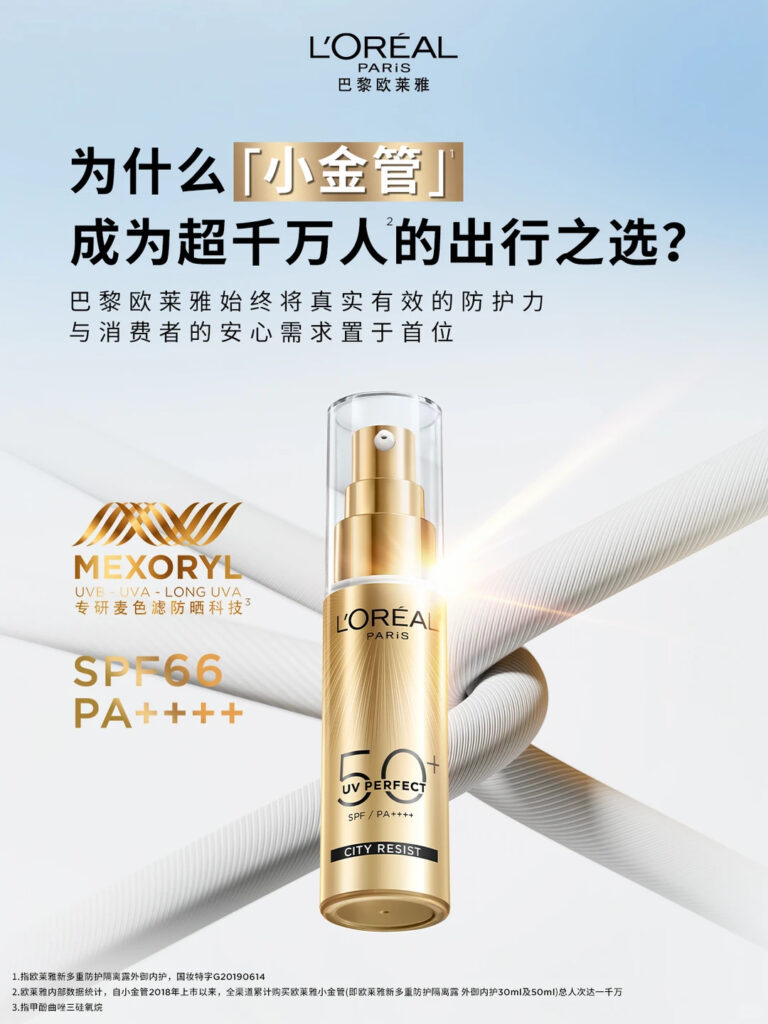
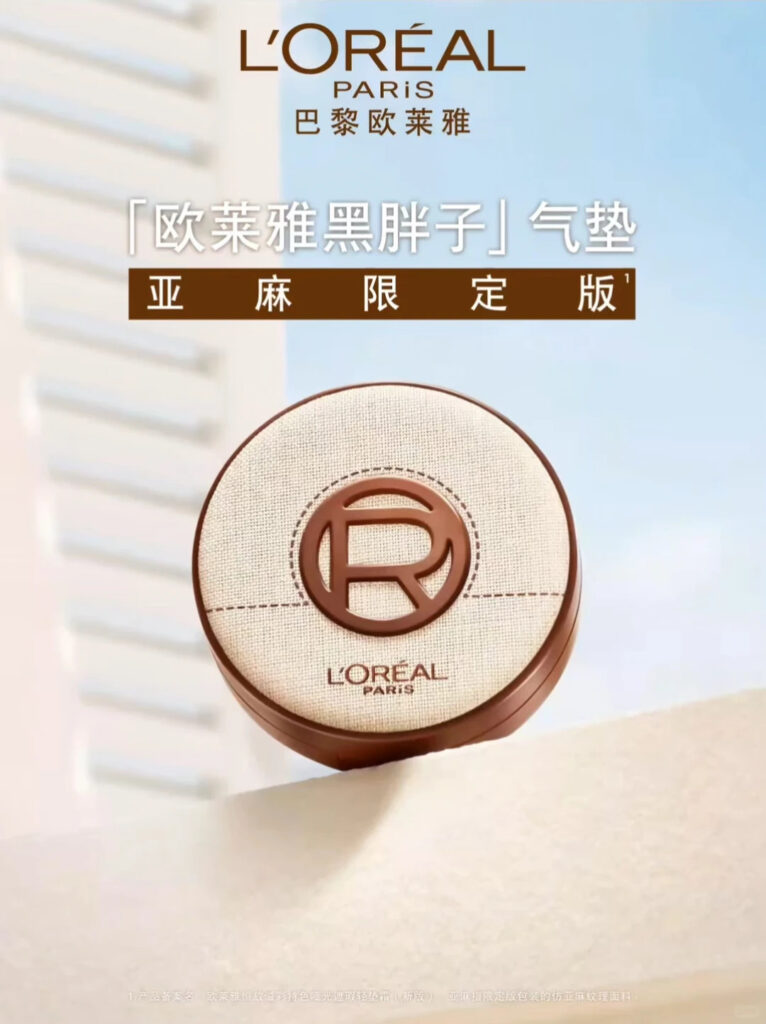
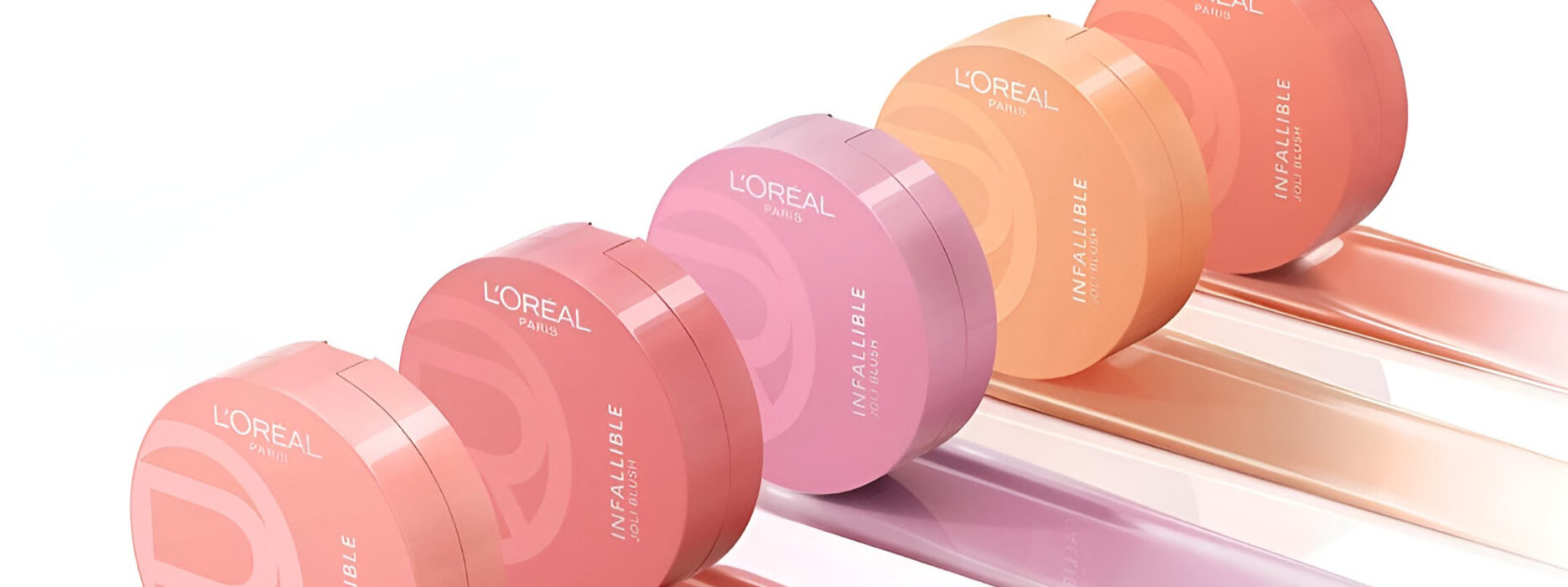
L’Oréal says it grew almost three times faster than the Chinese beauty market – that’s coming from online and offline growth. L’Oréal is benefiting from stronger demand and winning business from competitors. Its success also depends on new products and how well it sells them, so other prestige brands may not be seeing the same growth.
L’Oréal is benefiting from stronger demand and winning business from competitors
But domestic competitors are pursuing the same opportunity. A big trend we’re seeing across the Chinese market – from fashion to F&B, and of course beauty – is that Chinese brands catch up with international rivals by understanding Chinese consumers better and launching new products faster. Foreign heritage alone rarely cuts it. A convincing product proposition is what’s needed.
The Dao view: Prestige beauty in China is now about making indulgence worthwhile
Prestige beauty offers a useful lesson in how aspiration survives tighter budgets. Consumers can remain cautious overall while paying more for selected products that combine enjoyment with perceived usefulness.
For your beauty brand, the challenge is to make a purchase feel worthwhile. Luxury positioning attracts attention, but in a sluggish market clear benefits, credible evidence, and a satisfying experience are what consumers look for to justify repeat spending. It’s all about understanding which indulgences your customers are willing to spend on.