



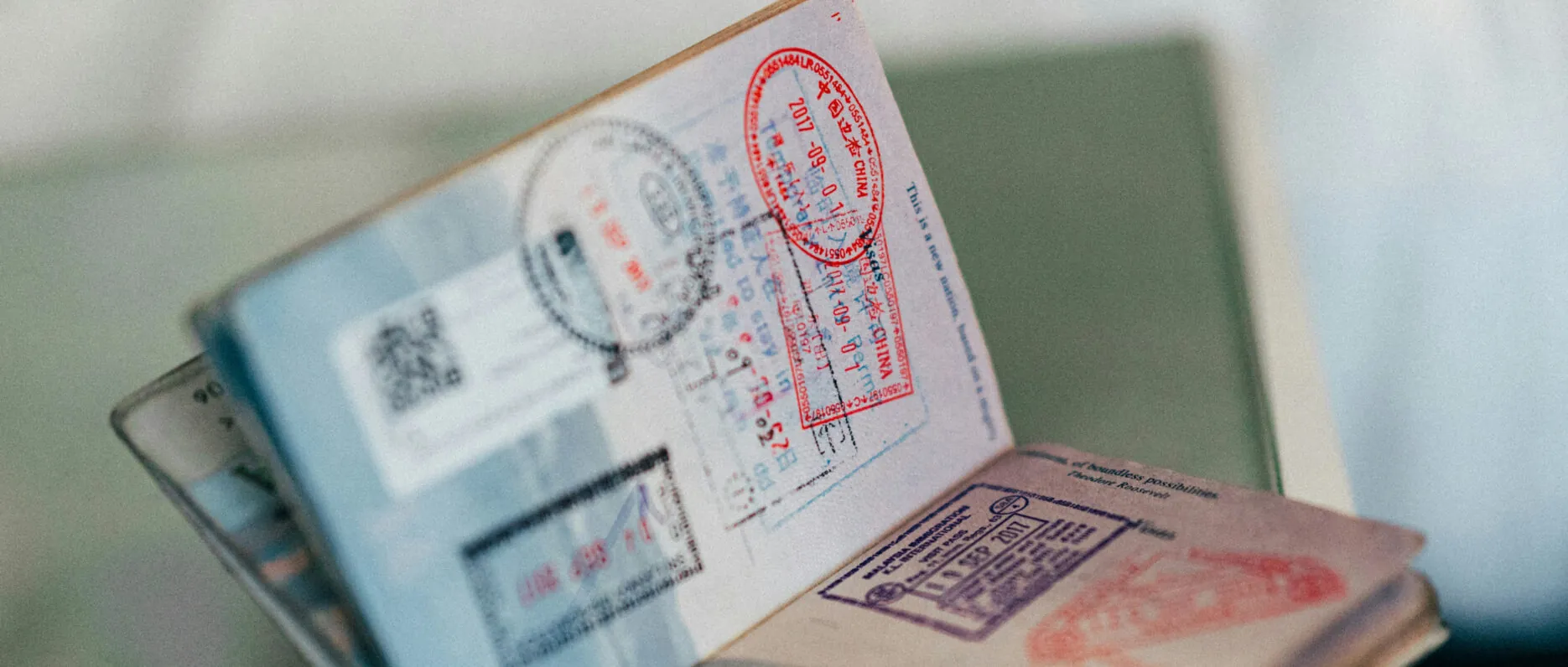
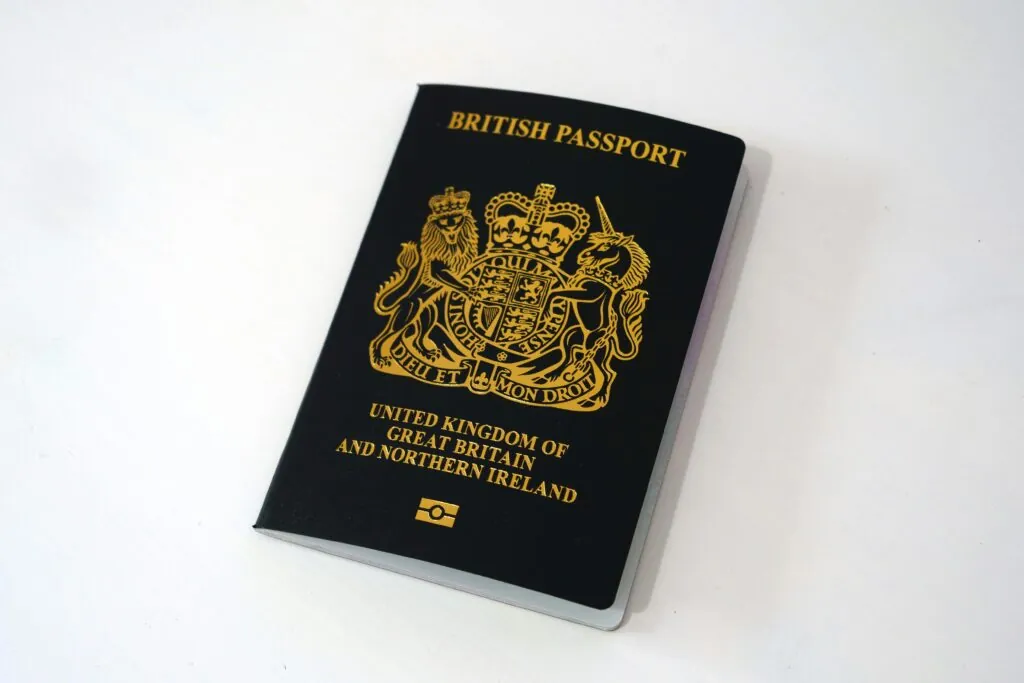
Good news for British citizens looking to travel to China. After Keir Starmer met Xi Jinping in Beijing this week, Downing Street confirmed that British passport holders will soon be able to enter China for up to 30 days without a visa. While no start date has been set for the start of UK visa-free travel to China, the UK government says it hopes changes will be implemented quickly.
When rolled out, the UK visa-free travel to China policy would place the UK alongside about 50 other countries already enjoying visa-free access, including major European nations. The move stands to impact no small number of people: official figures show more than 600,000 British citizens travelled to China in 2024.
The visit – the first by a British prime minister in eight years – was framed by London as a reset moment. Alongside visa liberalisation, the two sides agreed to halve import tariffs on UK whisky (干杯) and explore negotiations on a services trade agreement.
For the UK, that matters. Services are one of its strongest exports and be it in finance, healthcare or legal work, China is seen as a growing source of demand. Business was never far from the agenda either. British-Swedish pharmaceutical giant AstraZeneca announced plans to invest $15 billion in China by 2030, expanding manufacturing capacity and local hiring.


The trip also produced a security-focused agreement with UK and Chinese law enforcement pledging to cooperate against the supply chains behind small-boat migrant crossings of the English Channel – many of which involve Chinese-made engines.
There’s an obvious political element to this. Talk is rife of the end of the post-WWII order, and with that, countries that formerly relied on America are starting to look elsewhere for reliable trading partners. China, as the other pole, is an obvious bet. Starmer’s take-homes from their meeting may not be leading the UK away from the U.S. and toward China, but it does underline a shift in tone.