


Meituan (美团) has resurrected Lu Xun (鲁迅), one of China’s greatest authors. His revival comes with a new role as the patron saint of burnt-out office workers. Oh, and naturally he’s also doing coffee chats.
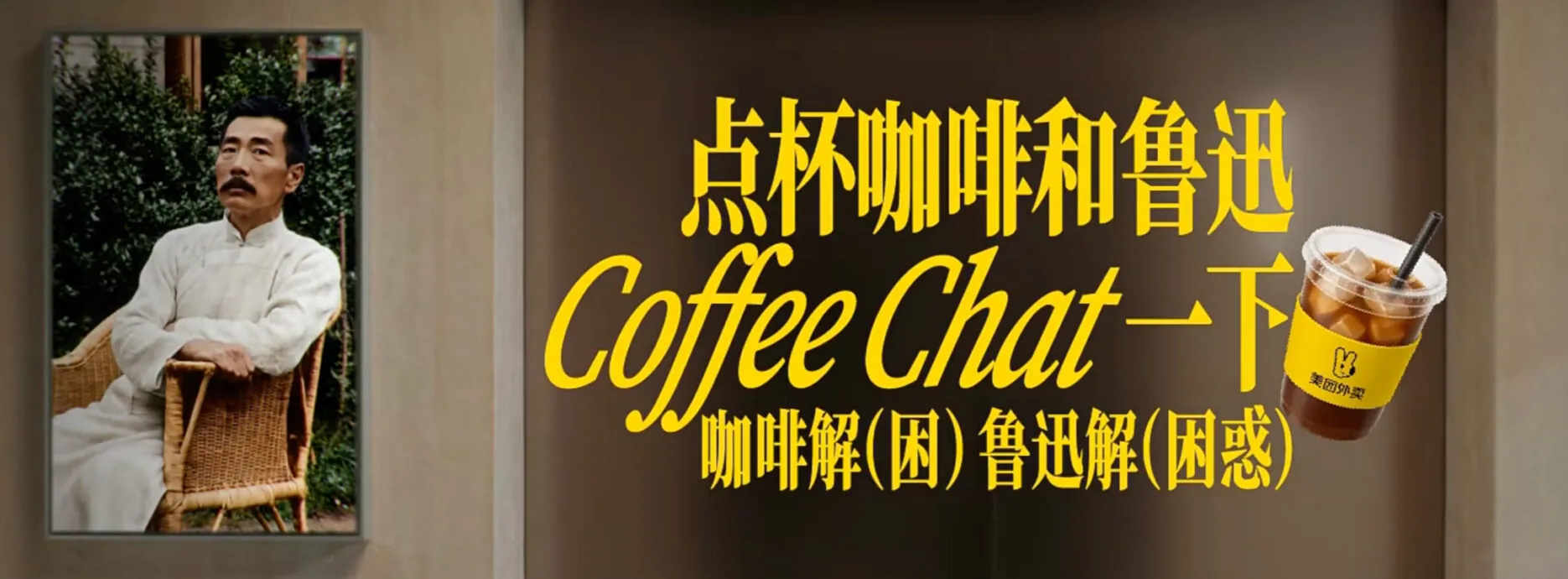
The push lands in time for the writer’s 145th birth anniversary and the 90th anniversary of his death. To pull it off, Meituan teamed up with the Lu Xun Cultural Foundation and the Shanghai International Coffee Culture Festival for a campaign titled Have a Coffee Chat with Mr. Lu Xun. They then generated AI versions of the author and used him as a sort of workplace therapist for young consumers.
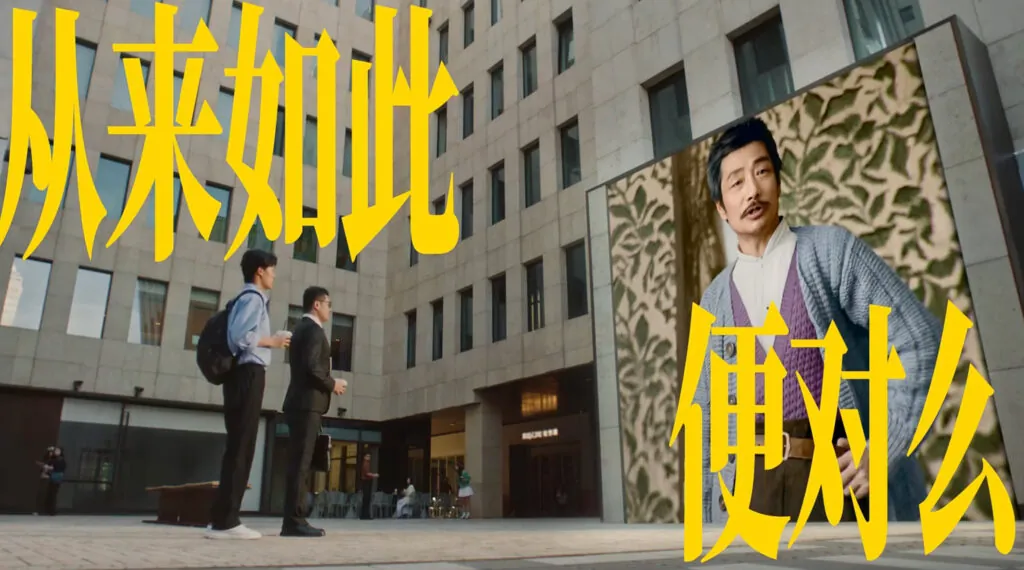
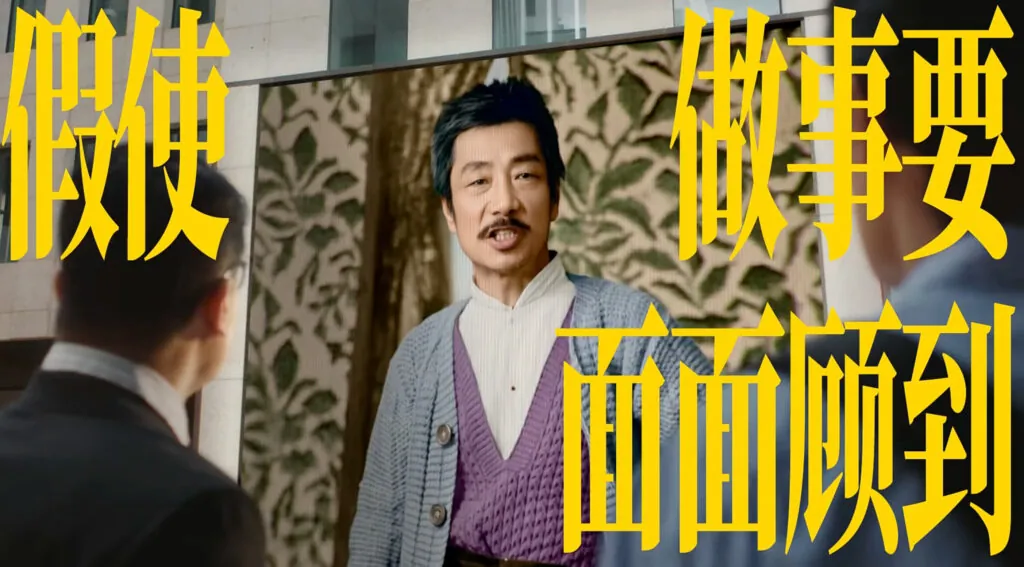
Shanghai was the focus, being the writer’s old haunt. Famed and culturally loaded café spots around the city were host to interactive screens through which people could talk to the AI generated Lu. It took on a question-and-answer format, with photo ops available (gotta think about the socials) and receipts printed with Lu Xun quotes.
The tone was intentionally memeable. Users sharing campaign photos online could receive limited-edition purple vest cup sleeves inspired by Lu Xun’s signature look, alongside novelty merchandise like moustache-shaped coffee straws and zao (early) coffee coasters.
Meituan also launched a short film pairing Lu Xun quotes with all-too-familiar workplace frustrations: complaints about exhausting office dinners, impossible management demands, and – ironically – AI anxiety are all answered with the writer’s famously sharp observations. ‘If you try to account for everything, nothing will ever get done,’ reads one quote. Another: ‘Human joys and sorrows are not shared; I only find them noisy.’
The Dao View: Meituan understands how young Chinese people use culture
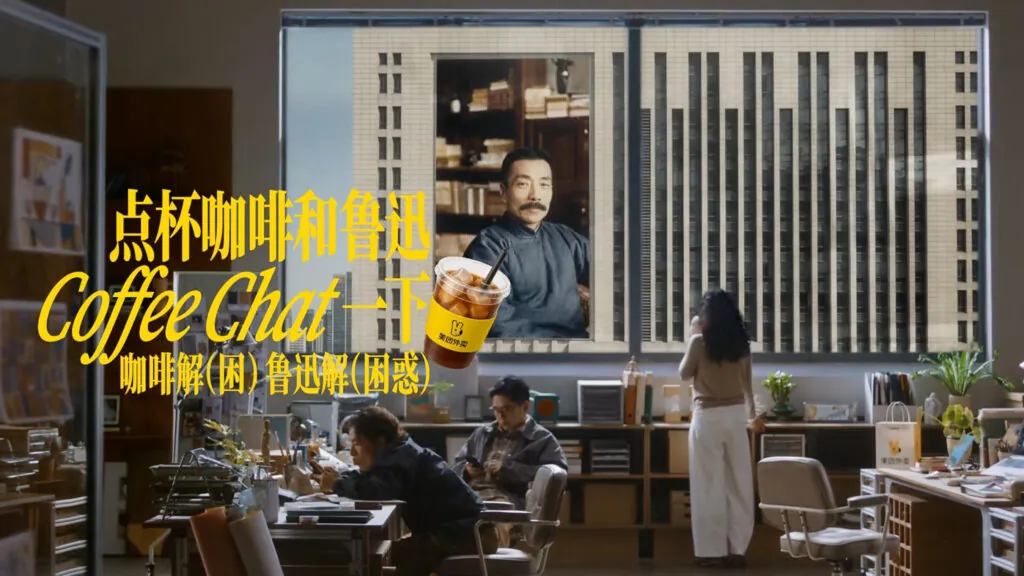
Burnout is a regular theme among young Chinese people, and brands know it. Campaigns with this tack in China aren’t uncommon. Even the 520 Valentine’s Day this year was marketed towards self-love and emotional wellbeing.
Lu Xun, in this revived form, isn’t here for literary reverence or relevance. Despite being the voice of a generation of Chinese people, and a household name, he’s co-opted in this campaign as an emotional support tool.
His role isn’t to be a famed face that consumers can relate to. Instead, he’s here to offer commiserations. Binding coffee into that message was a smart move, but the real power is in the emotional release of having someone articulate exactly how bleak modern work can feel.