



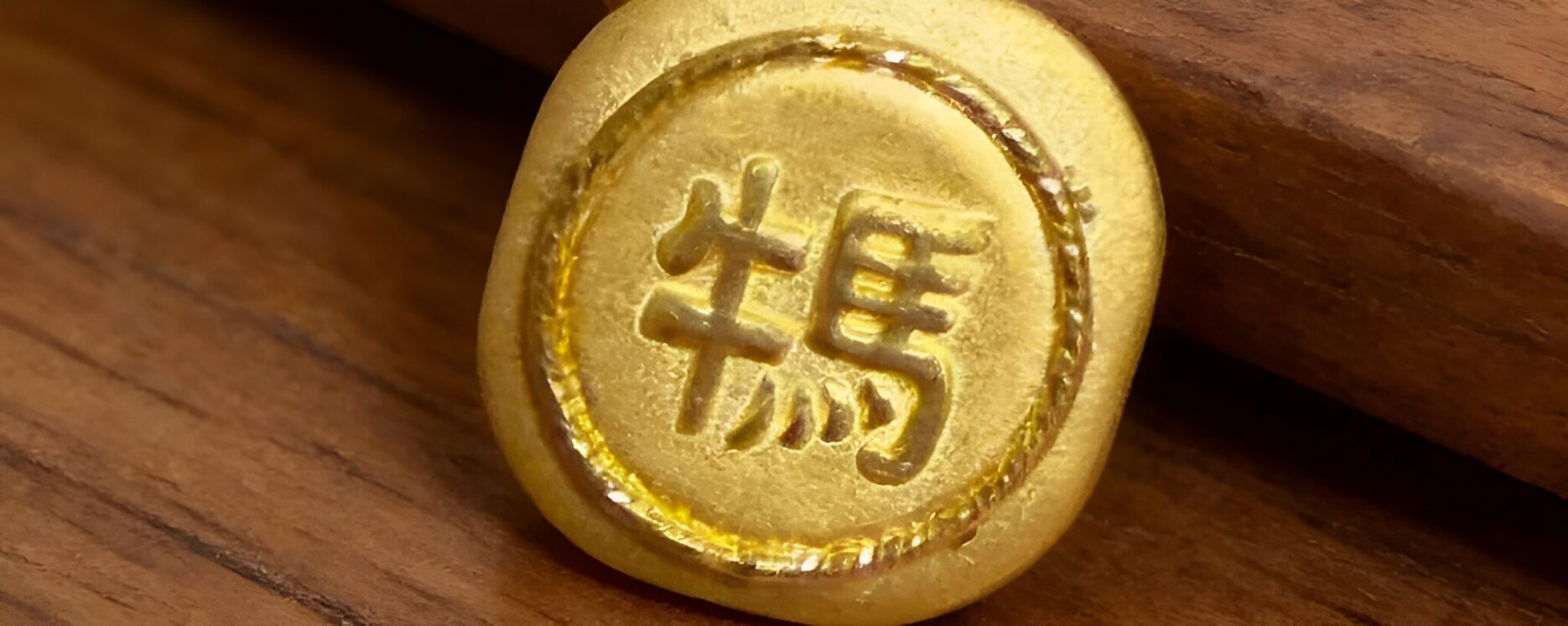
Chinese jewellery giant Chow Tai Fook (周大福) has found itself at the centre of heated online backlash after a product launch goes awry. It’s all centred around a gold Chow Tai Fook pendant engraved with the characters ox-horse in Chinese (牛马), a term widely used in Chinese internet slang to describe overworked employees.
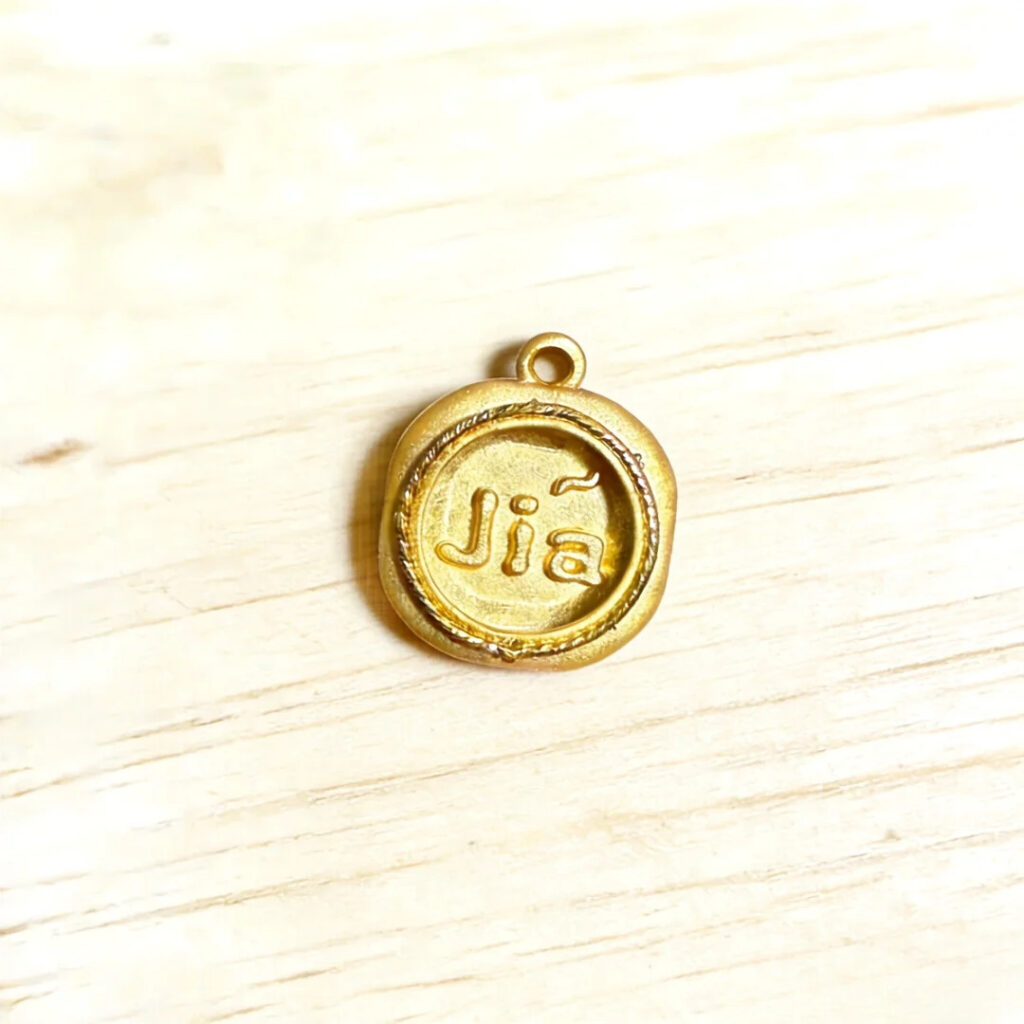
The pendant features the phrase in Chinese characters on the front and the word jia on the reverse – a reference to ‘加’ (to add), in a suggestion of doubled good fortune. Priced at just over RMB 3,000 (approx. US $428.95), the product quickly gained attention and climbed social-media trending lists in late December.

The Chow Tai Fook ox-horse design has been framed in traditional symbolic terms. CTFJ said the ox represents diligence and steadiness, while the horse stands for drive and forward momentum, with the overall message intended to convey perseverance and auspicious meaning.
But that’s not how netizens saw things. Critics argued that the term ‘牛马’ has taken on a distinctly negative connotation among younger workers, where it is used to express exhaustion, lack of agency and perceived exploitation in the workplace. From this perspective, turning the phrase into a gold accessory looked tone-deaf, or even downright mocking.
Others defended the product as self-deprecating humour aligned with contemporary internet culture, suggesting the backlash reflected oversensitivity rather than malicious intent. After the surge in discussion, the pendant was reported as sold out or removed from some online listings, though Chow Tai Fook has not announced a formal withdrawal.
The Chow Tai Fook ox-horse bust up highlights the risks traditional consumer brands face as they attempt to integrate internet slang and youth culture into product design. While such language may carry playful meanings in peer-to-peer contexts, its commercialisation – particularly by brands that can be seen as mainstream – can trigger very different interpretations when placed on the shelf.