


Alibaba has been burning through money to keep itself in the AI race. Now it’s asking shareholders to finance that competition. The tech group has priced an HK$80 billion (US$10.2 billion) Hong Kong share placement, with proceeds earmarked for chips, computing infrastructure and model development.
The discount attracted US$28 billion in orders, but it’s a trade-off: existing investors weren’t happy
The deal will add 710 million new shares, increasing the total by 3.6%. Alibaba offered them at HK$112.70 each, a substantially discounted figure from the market price on Friday 21 August. The discount attracted US$28 billion in orders, but it’s a trade-off: existing investors weren’t happy with the dilution. As such Alibaba’s Hong Kong shares fell by 10.5% by the end of Monday’s trading.
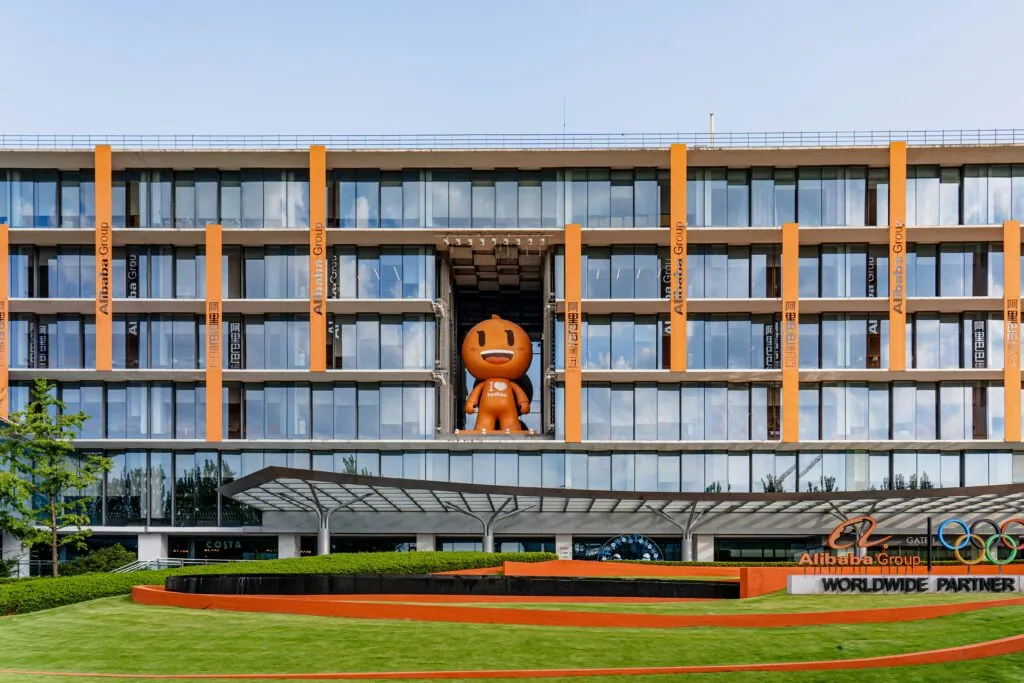
News like this shows us just how much Alibaba is leaning into its AI ambitions. It’s come at no small expense. RMB 67.68 billion (US$9.98 billion) was spent on equipment and infrastructure during the June quarter alone, 75% more than a year earlier.
Some of that spending is producing results
Some of that spending is producing results. Revenue from Alibaba’s cloud and computing division rose 45% to RMB48.44 billion (US$7.14 billion). But on balance, its consumer-facing AI operation is still costly. Qwen and Alibaba’s AI applications lost RMB13.86 billion (US$2.04 billion) in the same period. That’s more than four times its loss a year earlier.
The company expects its AI infrastructure to repay its cost within three years, perhaps two and a half. One shortcut to a faster payback will be silicon. Replacing expensive third-party chips with processors designed in house should lower costs. That’d leave Alibaba with more profit from each AI workload, and some very happy investors.
The Dao view: AI poses an opportunity and a threat
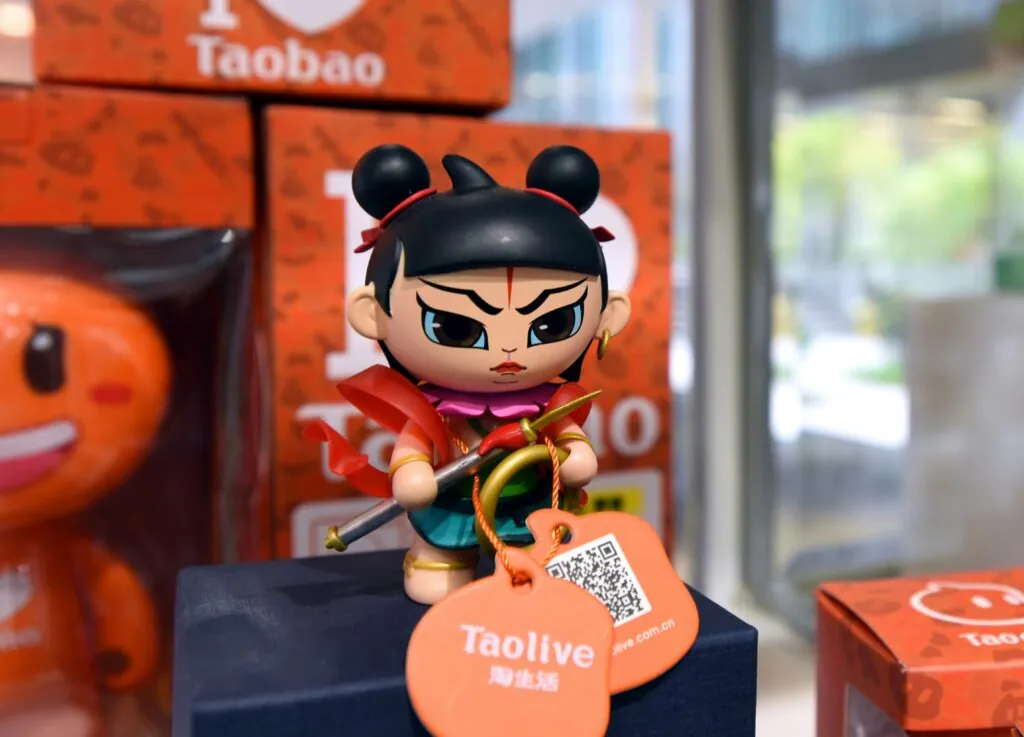
Alibaba’s commercial advantage lies in where it can deploy all this AI power. Its strongest hand comes from the closed commercial loop surrounding Qwen. Taobao supplies a wealth of users and commercial data. Alibaba adds payments, delivery and after-sales services to complete the shopping cycle. That could change the way brands compete. Emphasis would theoretically move from winning clicks to being chosen by an AI agent, but that poses its own risk for Alibaba.
The company earns heavily from merchants paying for visibility. If Qwen shortens the shopping journey and presents fewer options, it could remove advertising opportunities. Better recommendations could strengthen Taobao but put it in conflict with other parts of Alibaba’s business model.