


Louis Vuitton and Unicef: Key takeaways
- Louis Vuitton’s Silver Lockit collection has raised US$28 million for UNICEF since 2016, making a charitable product the long-term centre of the partnership
- In 2026, the House has put football at the heart of its anniversary activity, from a new bracelet charm to a book and Sotheby’s auction
- The campaign shows how sport can refresh an established philanthropic platform rather than simply provide a seasonal marketing hook
A football charm may seem like a fairly predictable accessory in a World Cup year, but for Louis Vuitton it has several very good reasons to be just that. The charm represents the efforts of a decade-long philanthropy project with UNICEF.
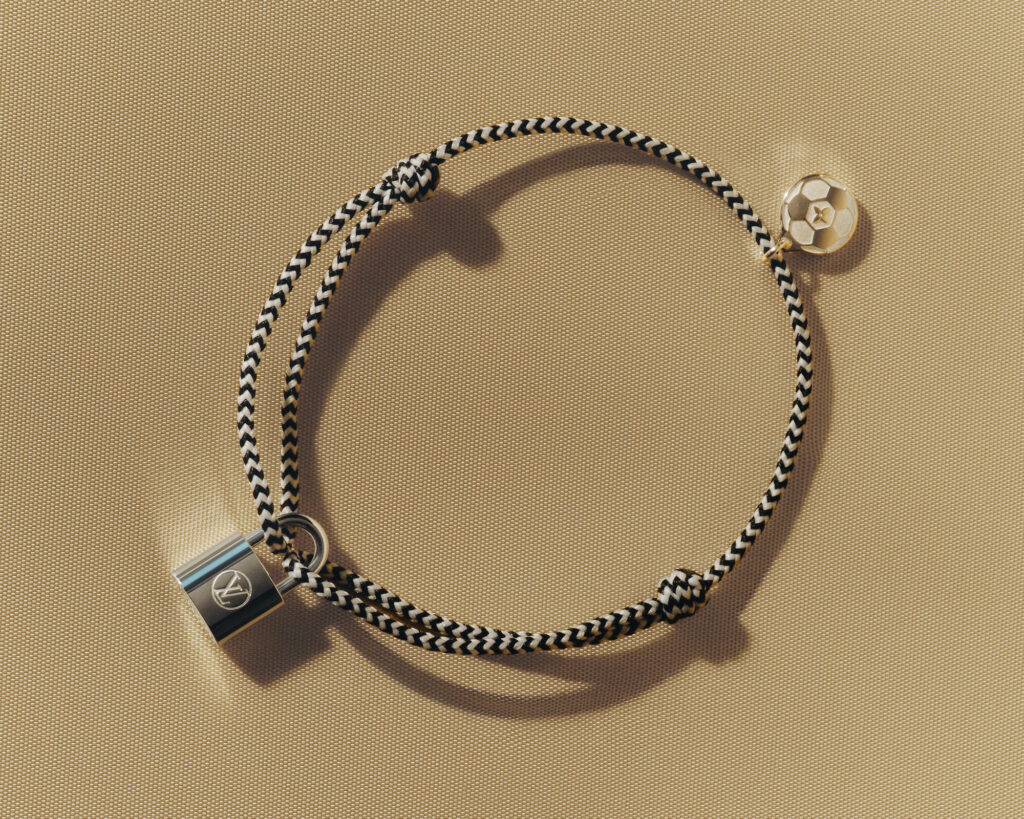
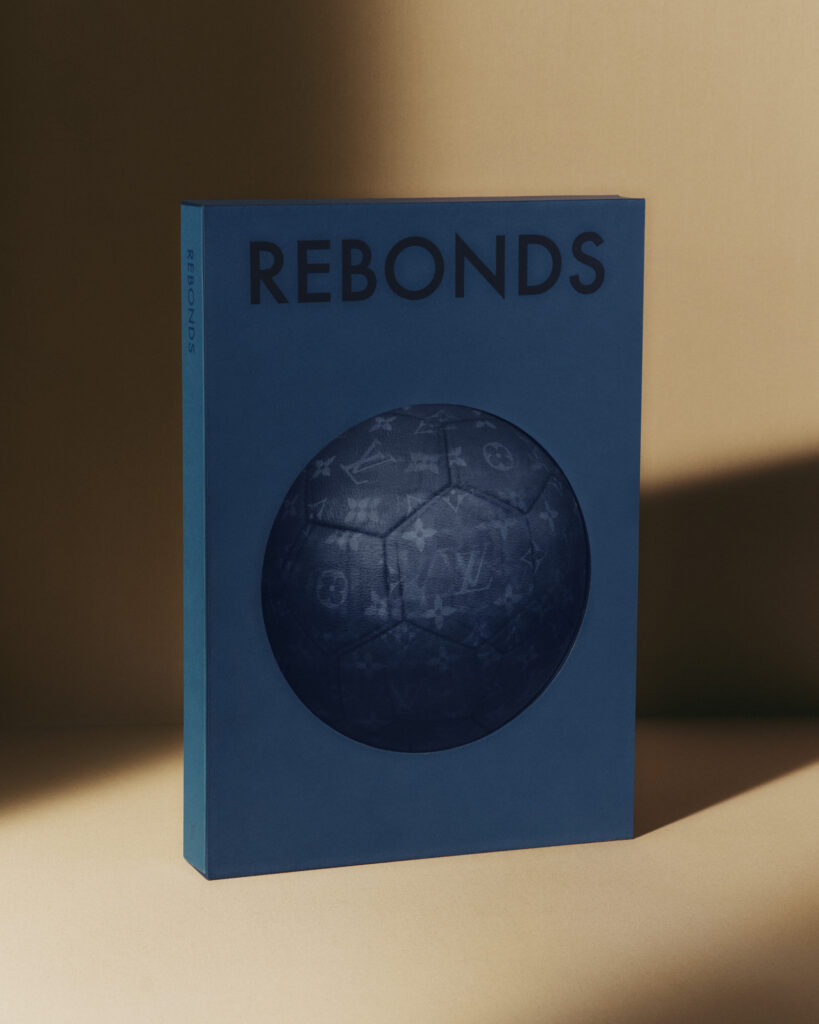
The football charm is also part of a wider anniversary programme with the sport at its centre. Expect a new edition of REBONDS, a photography book featuring public figures holding Louis Vuitton footballs, plus a football-shaped collector’s clock sold through Sotheby’s.
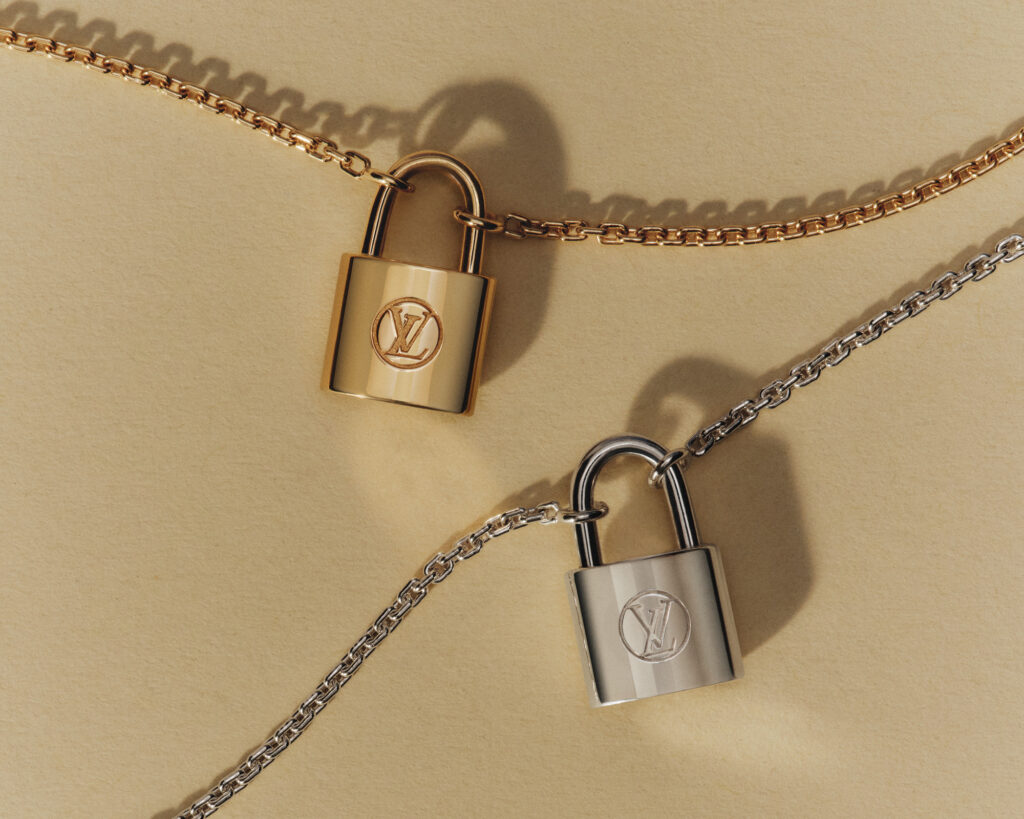
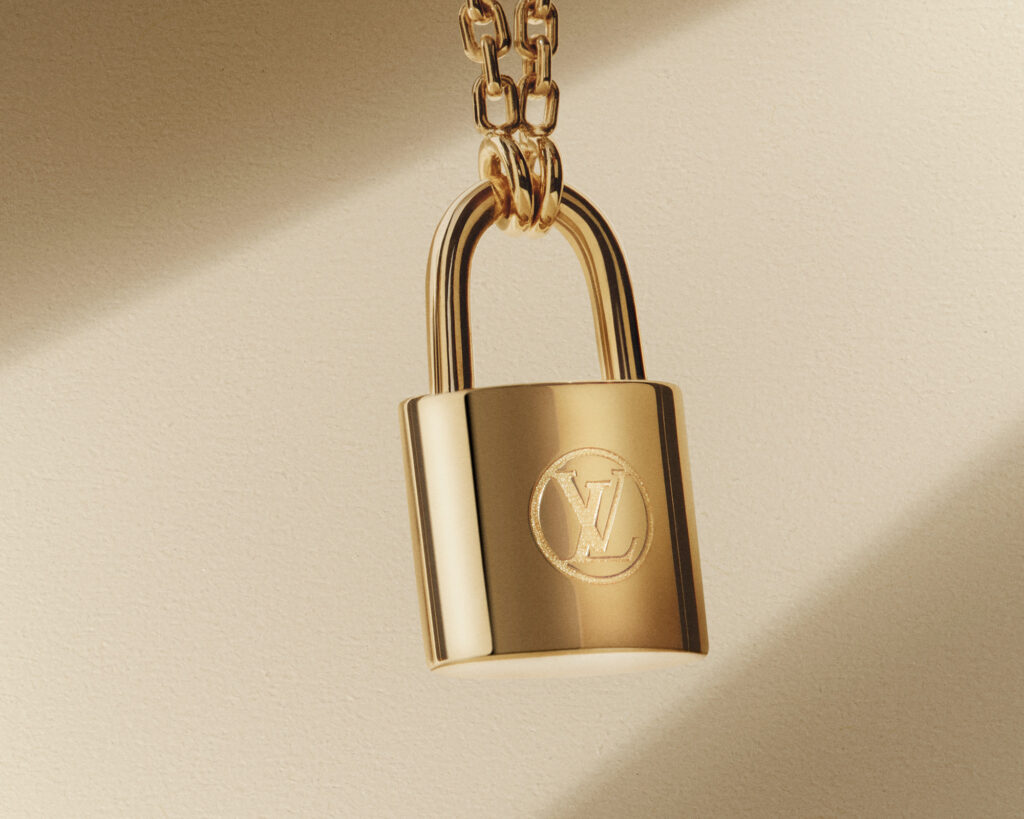
All this begins with a much smaller object and a nod to LV’s trunk-making heritage: the Silver Lockit
But we’re getting ahead of ourselves. All this begins with a much smaller object and a nod to LV’s trunk-making heritage: the Silver Lockit.
How the Silver Lockit made philanthropy permanent
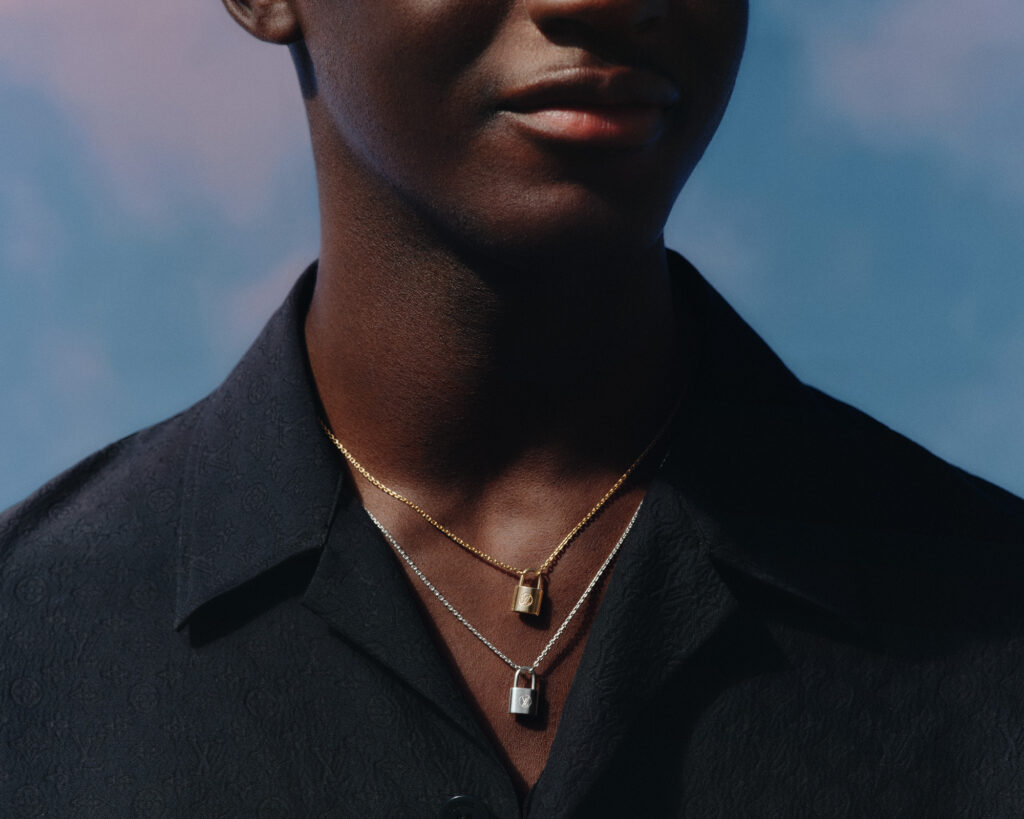
Luxury philanthropy all too often comes in limited-edition format. The cause tends to take a back seat because of the nature of campaign runs and the seasonal nature of the industry’s product cycles.
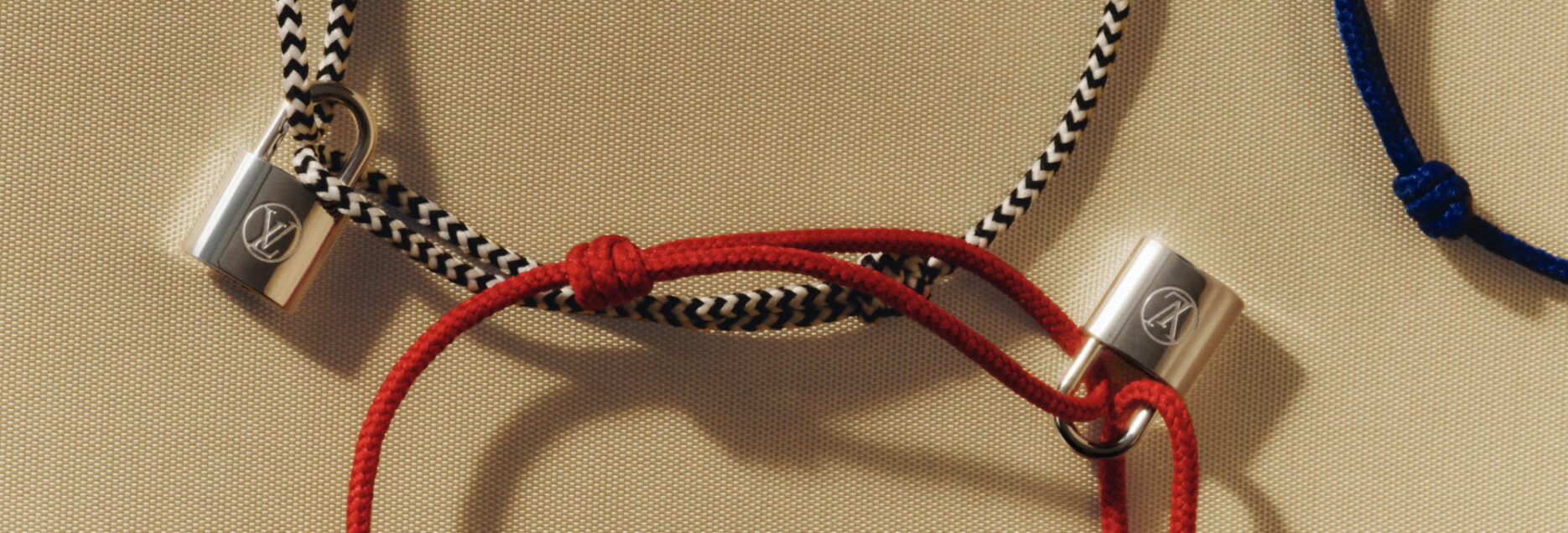
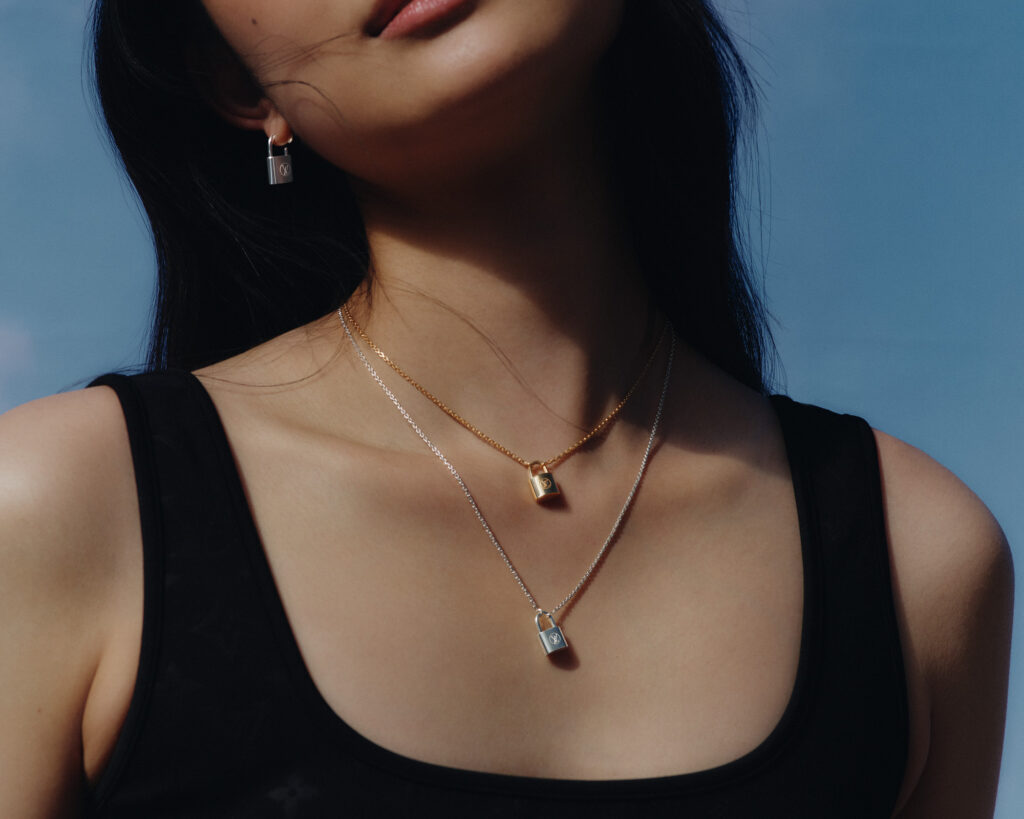
Since its creation in 2016, LV’s Silver Lockit has remained a permanent collection. Iterations on the theme – cord bracelets, silver chain bracelets, pendants and earrings – have extended the product’s life span, not shortened it, and in doing so raised US$28 million for UNICEF.
Each Lockit sold comes with a stated donation amount
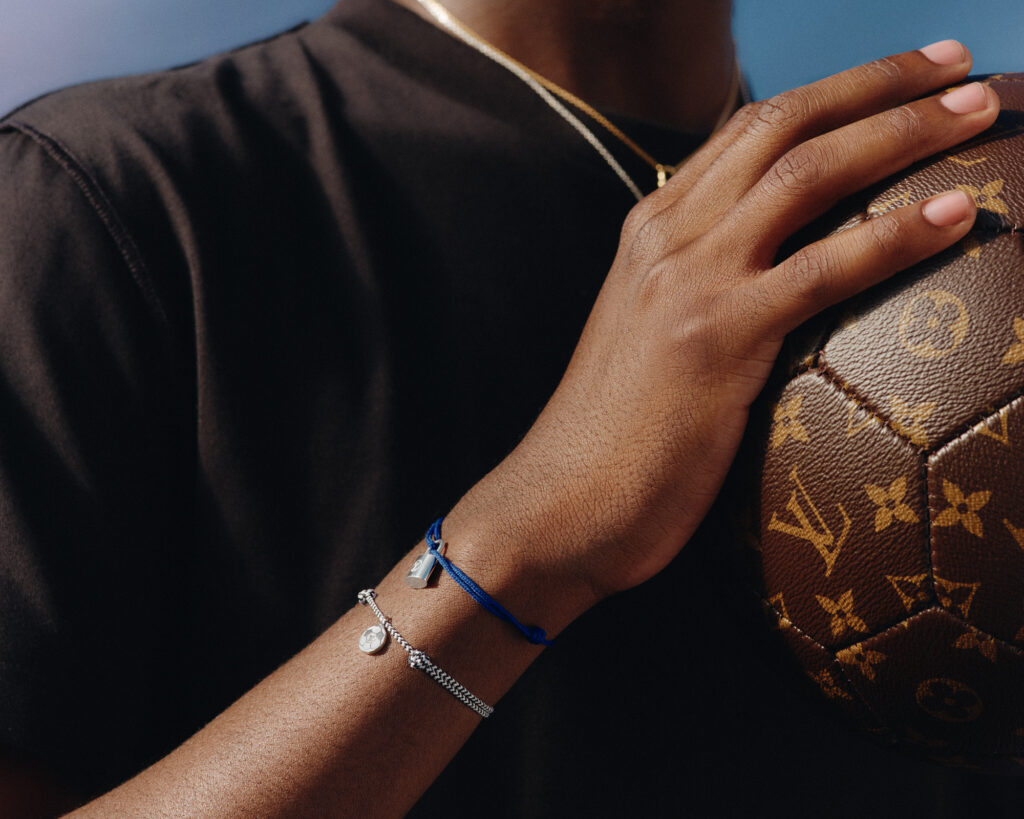
Clarity has had lot to do with that financial success. Each Lockit sold comes with a stated donation amount. Bracelets and earrings contribute US $100. Bracelets and pendants, US $200. There’s no guessing as to what percent of sales is donated. Doubt is eliminated.
The padlock is also visibly a Louis Vuitton product, one that comes compact, genderless and – importantly – less intimidating than a major luxury purchase. It’s a smart design. To consumers the Lockit presents itself as a very approachable recurring entry point. The product has permanence built in.
A football-led anniversary programme
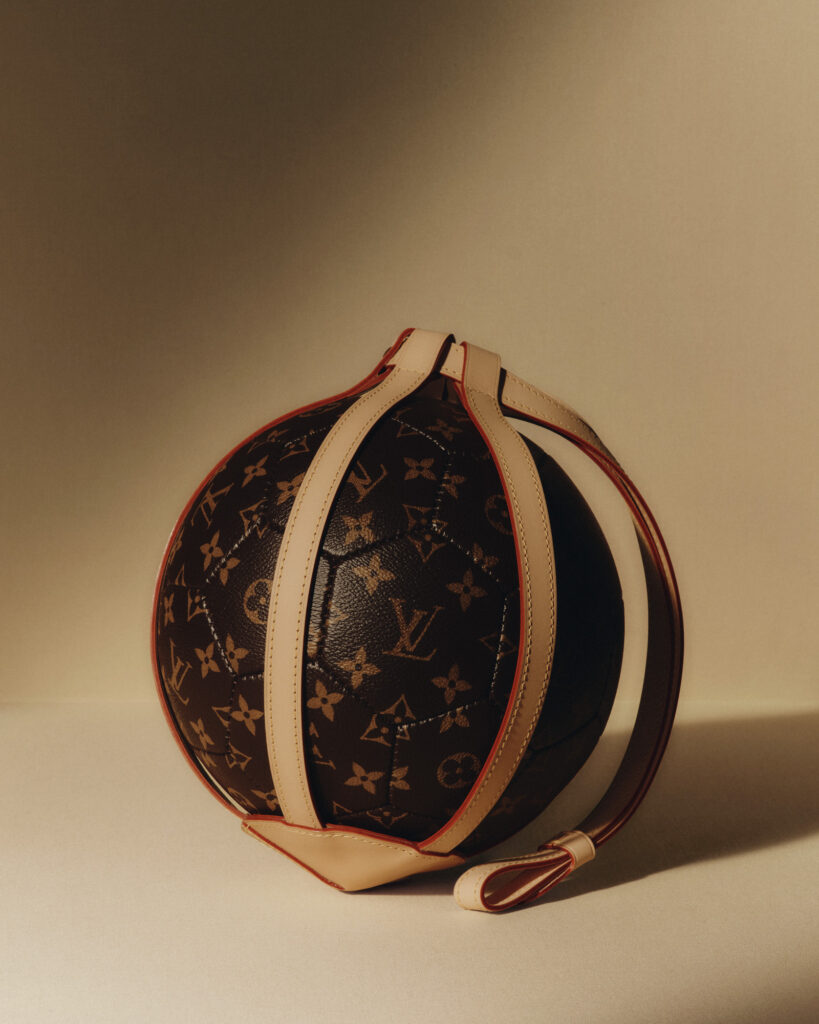
This year the Lockit comes with a timely new element of visibility. Red and blue cord bracelets alongside a black-and-white version adorned with football-shaped charm ties the sport to the product in a year where football’s profile couldn’t be bigger.
Its release is joined by a reissue of REBONDS, a book first published after France’s 1998 World Cup, with profits donated to UNICEF. Its new edition features around 100 personalities from sport, music, film, fashion and art, photographed with a Louis Vuitton ball in cities including Beijing, Shanghai, Paris, Tokyo, London and Los Angeles. All profits from its US$185 sales price will go to UNICEF.
All profits from its US$185 sales price will go to UNICEF
At the other end of the luxury spectrum is the Unity Time Object: a one-off clock whose openworked body takes its pentagon-and-hexagon form from a football. Developed with La Fabrique du Temps Louis Vuitton and movement-maker L’Epée 1839, it was auctioned with a bespoke trunk through Sotheby’s, with the hammer price donated to UNICEF.
Beyond World Cup marketing
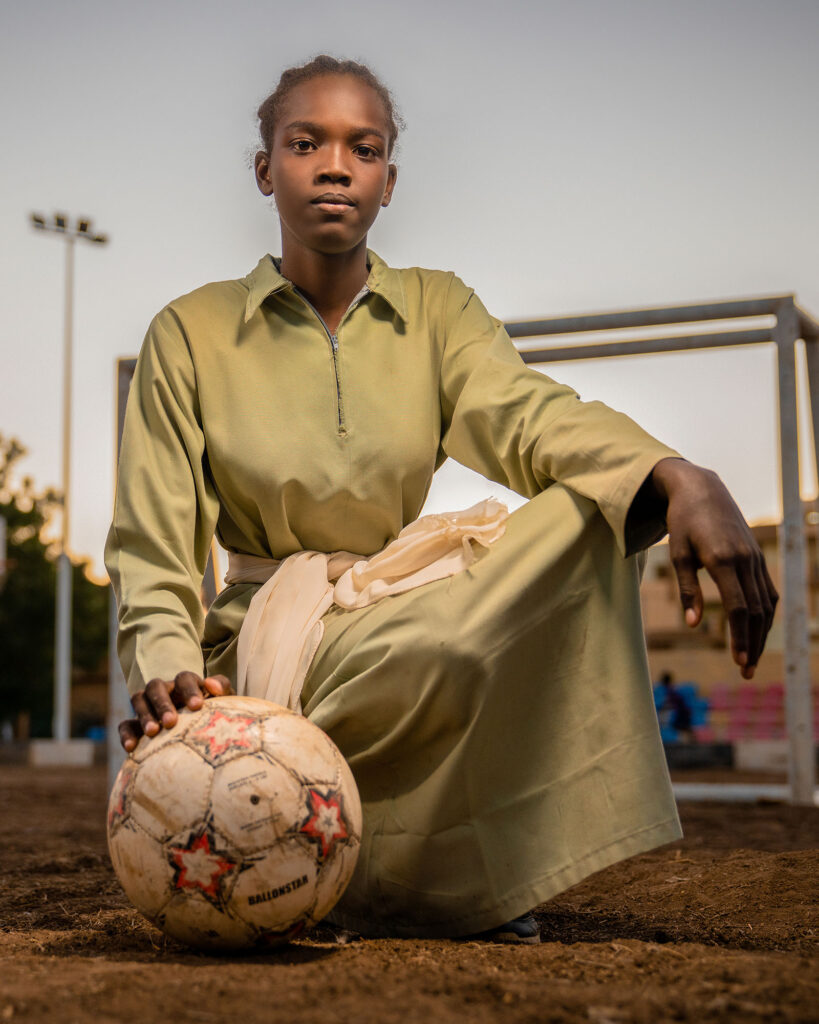
Louis Vuitton is careful not to let this year’s campaign look like an attempt to capitalise on a World Cup year. There’s no official tournament branding here. Football works because it’s already a recognisable metaphor for UNICEF adjacent values.
Football works because it’s already a recognisable metaphor for UNICEF adjacent values
Behing the football imagery, the UNICEF partnership gets a more specific focus – UNICEF’s POWER4Girls programme. Under that remit the brand aims to support more than 100,000 girls each year in areas ranging from education to leadership and economic independence.
Football may be the visual hook, but the Silver Lockit remains the anchor behind everything the brand has achieved through its philanthropy. As case studies go, there are few better examples of how luxury brands can make charitable giving durable, and how a simple, well thought out object can keep a decade-long partnership running.