


US blocks foreign-made humanoid robots: Key takeaways
- The FCC has barred new foreign-produced humanoid robots and quadrupeds from receiving the approval needed to enter the US market
- China is not named, but the measure is likely to hit Chinese suppliers such as Unitree, which have become major makers of lower-cost robots
- The US frames the decision as a security measure, but it also extends the US-China tech contest from AI chips into the machines that could deploy AI in the real world
The United States has moved to block new foreign-made humanoid robots from entering its market. The decision comes as part of a sweeping security measure likely to fall hardest on Chinese robotics.
The Federal Communications Commission added ‘foreign-produced advanced robotic devices’ to its Covered List, a register of equipment judged to pose an unacceptable national-security risk. The category includes mobile robots such as the humanoids China is well-known for, and quadrupeds.
Advanced robots could create openings for cyberattacks, say the FCC
All this means new models generally cannot receive the FCC equipment authorisation required for import, marketing or sale in the US. It takes effect immediately.
We should stress that this rule does not single out China by name – it applies to robots produced in any foreign country, regardless of the manufacturer’s nationality. But China is the clear commercial target: companies including Unitree have emerged as prominent suppliers of relatively low-cost humanoid and quadruped machines.

The FCC said the restrictions followed national-security determinations by a White House-convened interagency body. That body warned that the networked capabilities of advanced robots could create openings for cyberattacks, data collection, surveillance and remote interference with a machine’s physical operation.
Could there be more to this than security?
There’s a loophole, though. Foreign manufacturers can apply for a conditional approval from the Department of War. If granted, certain products could receive FCC authorisation. Basically, the burden now falls on suppliers to demonstrate that their machines do not present the risks US authorities are claiming.
China has condemned the restrictions and warned it could retaliate if Washington presses ahead. The Ministry of Commerce said the US was misusing national-security arguments to target Chinese products and companies, describing the move as unilateral protectionism that distorts the market. It called on the US to withdraw the measures and said Beijing would take the necessary steps to protect Chinese firms’ legitimate rights and interests.
The Dao view: There’s more than security behind the US blocks on foreign humanoid robots
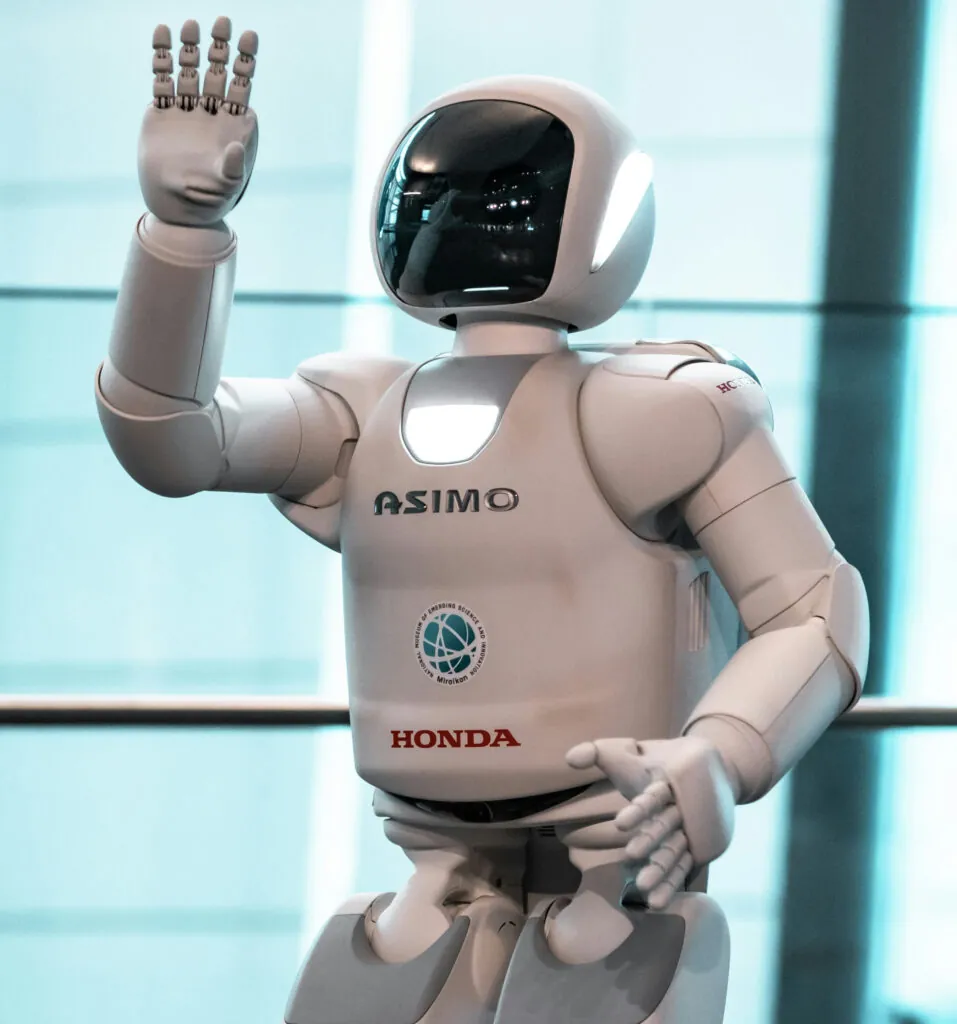
The move arrives as humanoid robots shift from trade-show spectacle towards potential industrial tools. WAIC 2026 has shown us how quickly these robots may become a regular sight in our day-to-day lives. Whoever gets to roll that tech out first, will see major returns.
And so this isn’t just about security. It involves competition too. Hardware is another front in the US-China technology contest: This decision shows Washington is no longer happy to police the chips that power AI. They also want to compete for control of the physical machines that could put it to work.