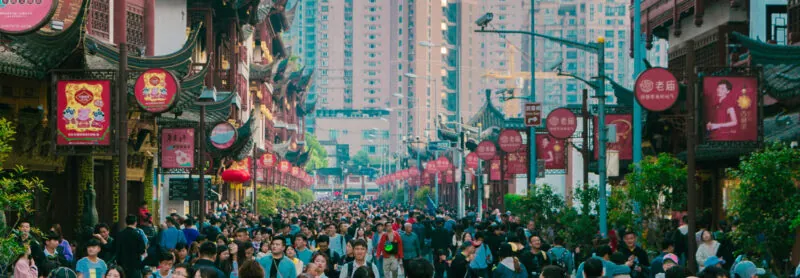




Foreign exits are piling up. Within the first half of 2026, three major western luxury names have either downsized or withdrawn parts of their China operations. All of this adds to growing evidence that the old luxury retail playbook for China is breaking down.
French department store chain Galeries Lafayette (老佛爷百货) confirmed it will close its Beijing flagship on 27 May after more than a decade in China’s capital. The group will continue operating stores in Shanghai and Shenzhen, but the closure of its six-floor, 28,000-square-metre flagship – the company’s first mainland in China – is no doubt a blow.
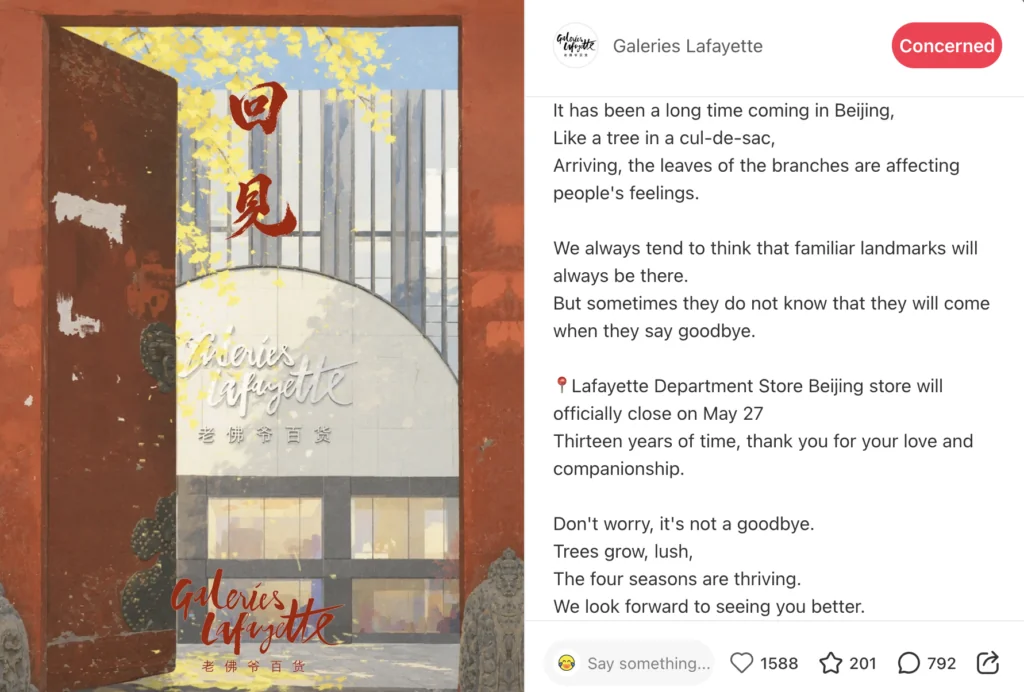
In public statements the Lafayette framed the closure as part of a broader strategic rethink. Executives acknowledged the Beijing location was likely ‘too big’ for current market conditions, and so now the company will shift towards smaller, more flexible formats.
The GL retreat is not happening in isolation. Hong Kong luxury retailer Lane Crawford (连卡佛) closed its Chengdu IFS location earlier this year after already shrinking its Shanghai flagship from four floors to two. British luxury brand Harrods (哈罗德) also exited parts of Shanghai in January, shutting both its Tea Rooms and members club concept at HKRI Taikoo Hui.
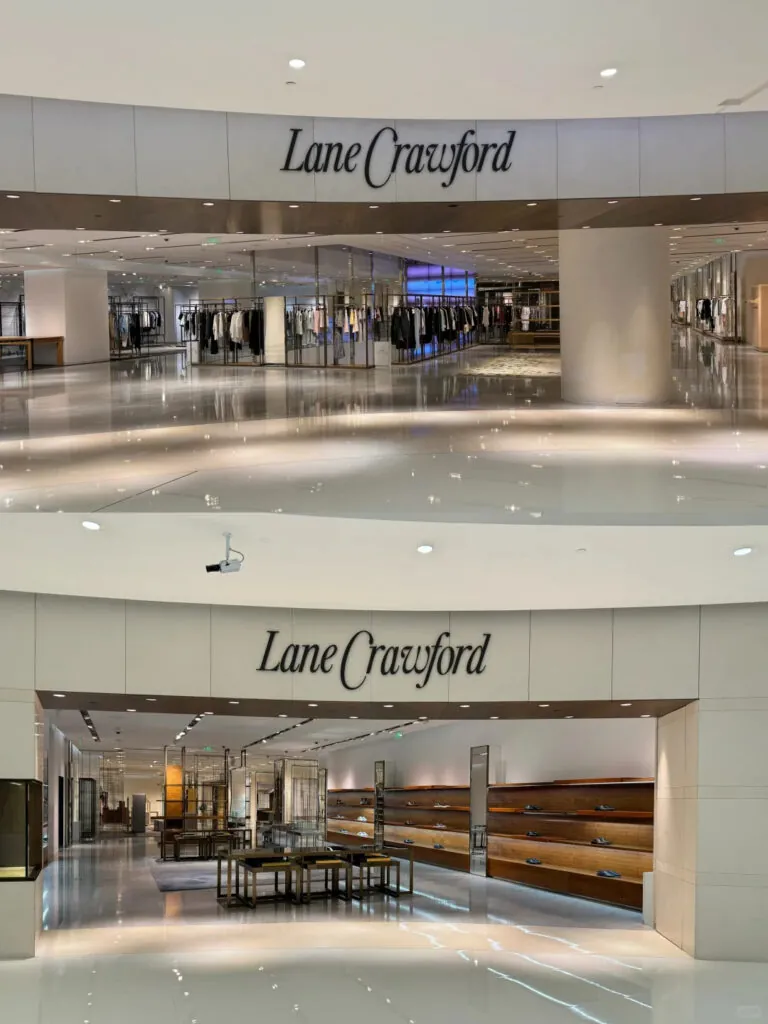
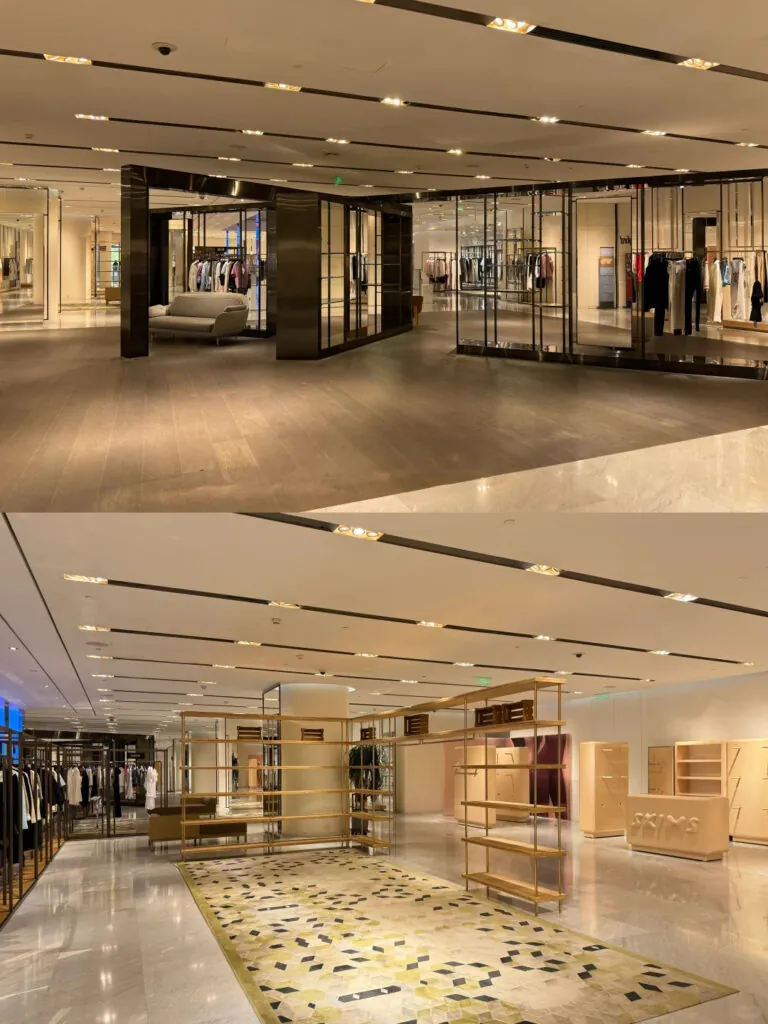
Together, the closures indicate to a broad change in the way western luxury brands do business in China. The era of oversized flagship stores, imported lifestyle experiences, and expansion built on assumptions of endlessly rising aspirational consumption is looking to be on wobbly legs.
At the same time, domestic Chinese brands continue gaining ground through sharper localisation, stronger cultural fluency, and pricing that feels more aligned with current consumer spending power.
Forecasts on the numbers behind the market still point towards long-term recovery, and the market remains too large for western brands to ignore. But for many foreign luxury players, China is no longer a guaranteed growth market.