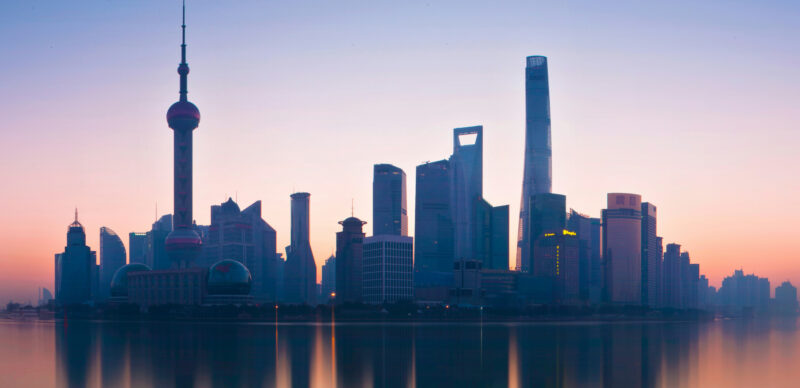



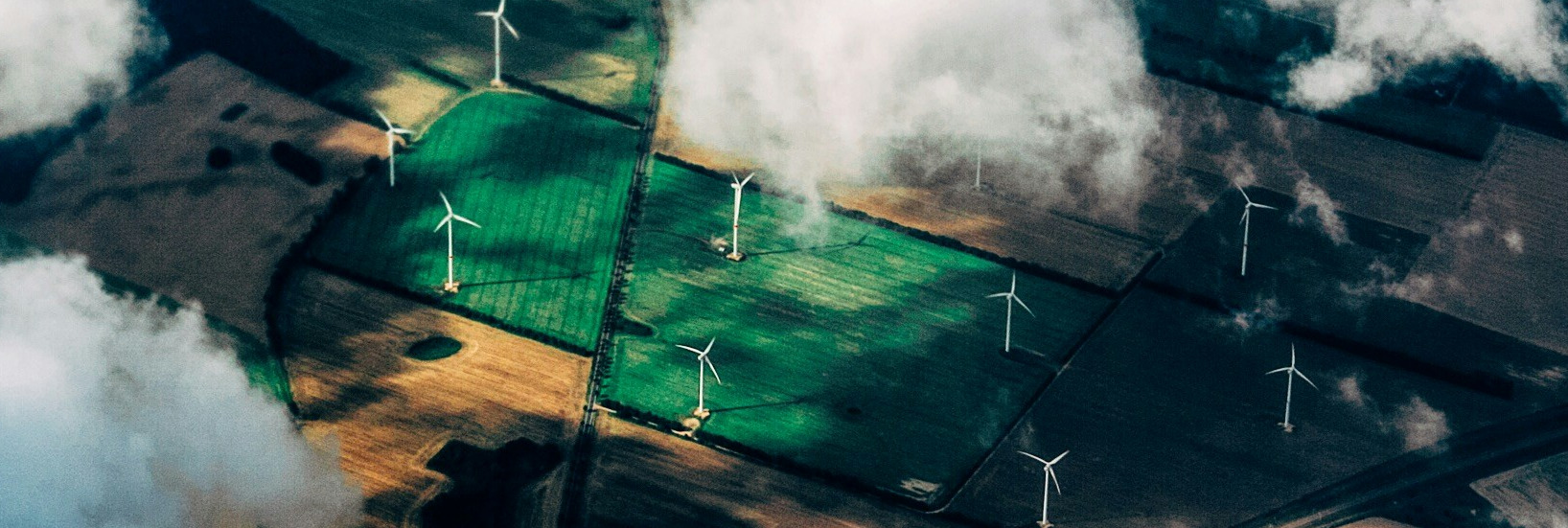
For much of the 2000s, China’s environmental story was defined by hard-to-shake images of smog, coal and runaway industrialisation. Today, things look different. China’s climate strategy is positioning the country as a participant in global climate governance, and as an architect of its future.

Environmental policy in China is embedded into long-term planning cycles – most notably its Five-Year Plans – where emissions reduction, renewable energy, and what the Party call ecological civilisation, are treated as binding national priorities. At the same time, the global context has moved in China’s favour. It’s not surprising that in this context China is starting to look like the environment’s champion.
Policy as industrial strategy
China’s environmental push can easily be framed as rhetoric. But if we’re less cynical it can also be viewed as the design of a new system. Since the 2005 Renewable Energy Law, clean energy has been positioned as a strategic industry, supported by subsidies, financing mechanisms and mandatory grid integration.
Out of that, we’ve seen a scaling. China now leads the world in solar deployment and manufacturing, holding more than a third of global installed solar capacity. It has also built dominance across adjacent sectors, including batteries and electric vehicles, turning climate policy into industrial policy.
State-backed financing, domestic market scale and supply chain control have allowed China to compress costs and accelerate the rate of adoption. Over time, that scale has translated into real global impact: Chinese clean tech is now exported as infrastructure.
The contrast with the United States has become pretty sharp under Donald Trump’s administration. Recent policy moves from the US – the world’s other pole for climate leadership – have included dismantling emissions regulations, reversing green industrial incentives and actively promoting fossil fuel development. Now, the energy sector is redirecting attention away from renewables toward fossil fuels, reinforcing a structural pivot in US energy policy.
Climate leadership as geopolitical positioning
Analysts have long argued that US withdrawal from climate commitments created a vacuum that China could fill. Their predictions have been proved right and that leadership is now materialising.
China continues to expand renewable capacity at scale, with long-term plans to multiply wind and solar generation and reduce carbon intensity across its economy. Even where targets are criticised as conservative, they’re heading in a positive direction: one with more renewables, more electrification, more state coordination.
China’s clean energy investment and manufacturing capacity now rival — and in some cases exceed — the combined efforts of the US and EU. Climate policy is now a playing field for international competition. It’s not just about emissions cuts or hitting green targets. They’re playing for who gets to produce the energy infrastructure we will likely rely on in the future.
China’s climate strategy and the contradictions that remain
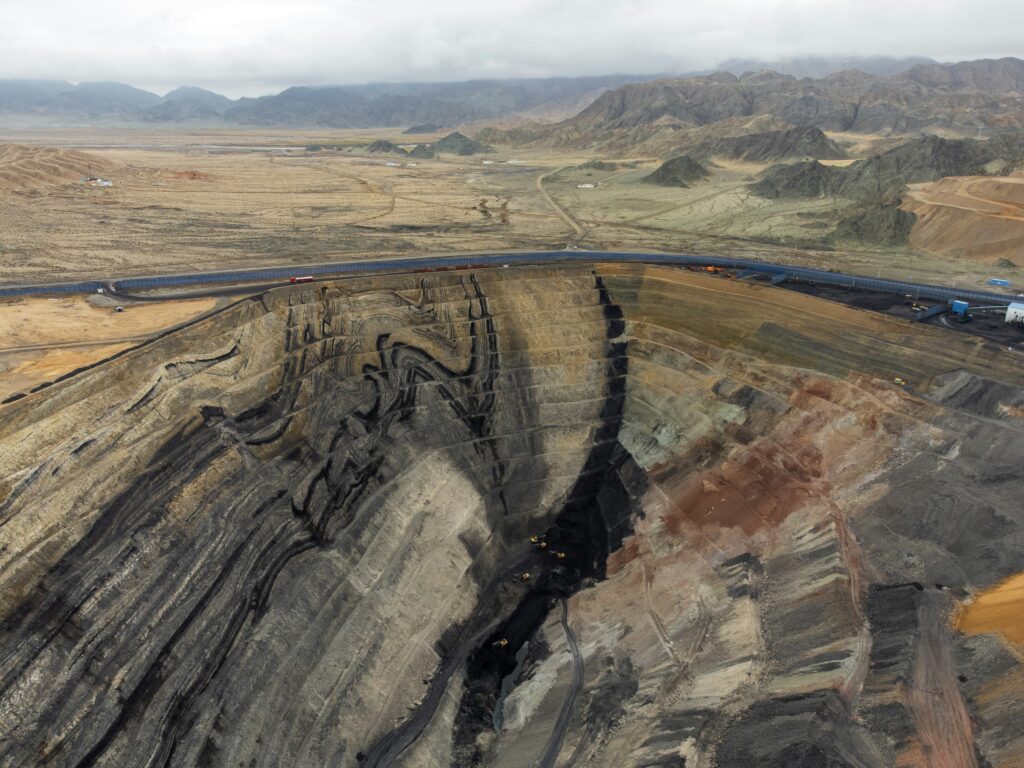
None of this is without tension. China remains the world’s largest emitter in absolute terms, and coal still plays a significant role in its energy mix. Policy enforcement can be uneven, particularly at the local level where economic growth is still taken as top priority.
But trajectory matters more than the baseline here. Emissions growth is slowing, renewable capacity is accelerating, and environmental policy is increasingly heading in a direction we could call positive.
From catch-up to standard setter
Grand reversals in reputation aren’t a surprise for anyone who’s been watching China for an extended time frame. That familiar strategic recalibration is at work here too. Particularly in the last Five-Year Plan.
Climate policy in China has been reworked as an economic arrangement. Producing useful green tech that shapes industries, supply chains and global trade will bring in big money. Now Chinese EVs, solar panels and batteries are becoming the green tech of the future.
That’s a new kind of leadership. Not moral, but material. Not driven by advocacy, but by capacity. As the US steps back, China is not just stepping in. It is redesigning the system around itself.