



When CASETiFY named G-DRAGON its global brand iCON, the phrasing mattered. This was not a standard ambassador announcement designed to spike awareness or move units. It was a signal of intent. Fifteen years after founding a business built on custom phone cases, CASETiFY is increasingly positioning itself less as a tech accessory and more as a cultural canvas – one where devices are carriers of identity.
G-DRAGON as a creative reference point

G-DRAGON’s value has never rested on volume. His cultural weight comes from authorship – writing his own music, shaping his own visual language, and appearing selectively. In an era of hyper-visible celebrity partnerships, his restraint is precisely what gives him influence. He functions as a reference point rather than a broadcast channel.
CASETiFY’s decision to frame him as a brand iCON rather than spokesperson mirrors this logic. The brand borrows not just his image, but his way of operating: slow, intentional, and symbol-heavy. This alignment allows CASETiFY to move away from purely functional messaging and into a conversation about expression, individuality, and creative control – values that increasingly resonate with younger, design-literate consumers.
CASETiFY X G-DRAGON, CHROMATIC: FORMS & HUES
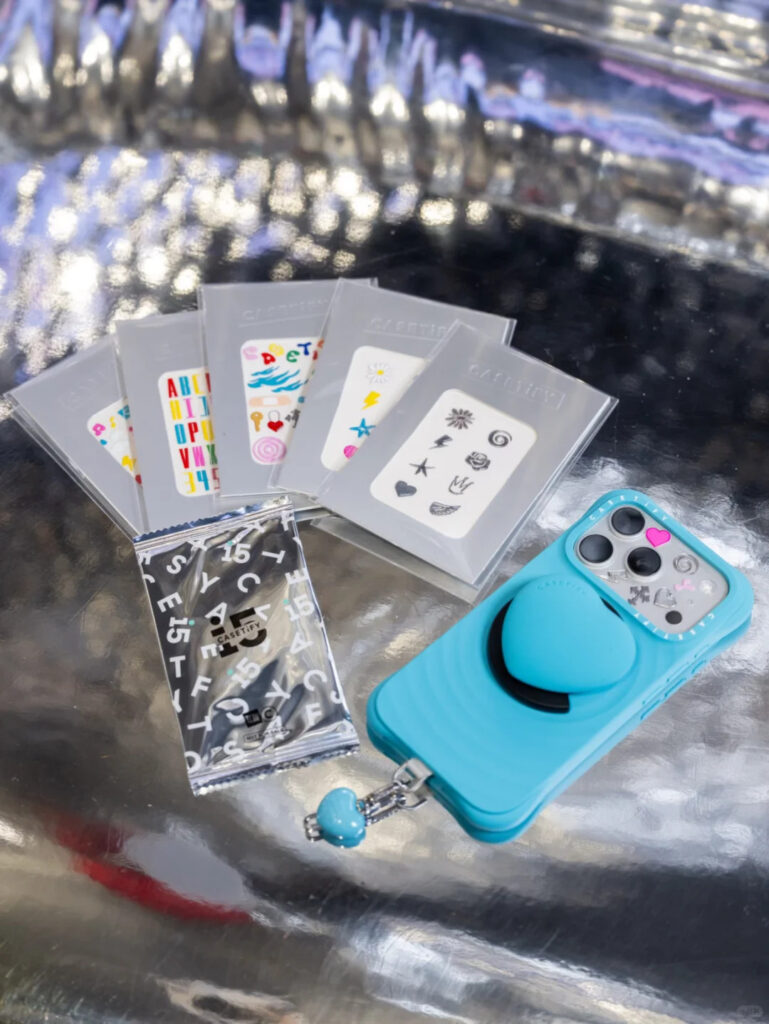


The CHROMATIC: FORMS & HUES collection serves as the collaboration’s material core. It’s a drop of metallic finishes, sculptural form, and bold colour treatments that echo long-standing elements of G-DRAGON’s personal aesthetic. You could think of it as futurism tempered with a bit of imperfection.
Crucially, the products don’t rely on heavy celeb branding. Instead, they translate mood and philosophy into style. This subtlety reinforces CASETiFY’s broader ambition to reframe tech accessories as expressive objects rather than neutral utilities. In this context, a phone case is no longer just protective – it becomes a daily, visible statement of taste.
The CASETiFY X G-DRAGON Shanghai pop-up
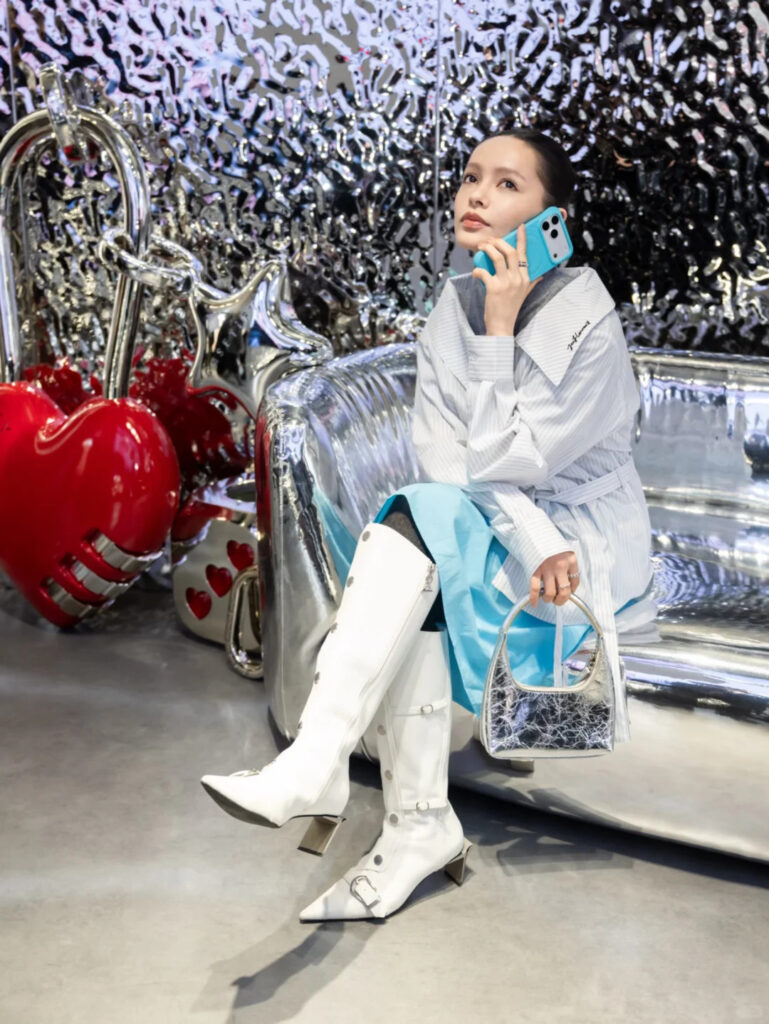

A brand pop-up on Shanghai’s West Bund took this idea one step further. It was a blurring of lines between exhibition, installation and retail space – one built around liquid-metal textures, undulating silver walls, and odd sculptural forms.
It was a space that invited exploration. Interactive photo experiences, limited-edition collectibles, and randomised rewards encourage participation and emotional investment. In that respect, the pop-up functioned as a content engine as much as a store. In China’s highly competitive offline retail landscape, this kind of experiential density is no longer optional – it is par for the course.
Platform scale
The collaboration’s offline impact is amplified through its integration with Tmall Super Brand Day. This online–offline linkage allows CASETiFY to scale a culturally nuanced story without flattening it into pure promotion.
China’s platforms excel at converting attention into action, but they also reward a good bit of narrative coherence. By anchoring the campaign in a strong creative concept rather than a discount-driven push, CASETiFY’s use of platform reach helps to extend cultural value, not replace it.
A 15-year statement about what CASETiFY wants to be
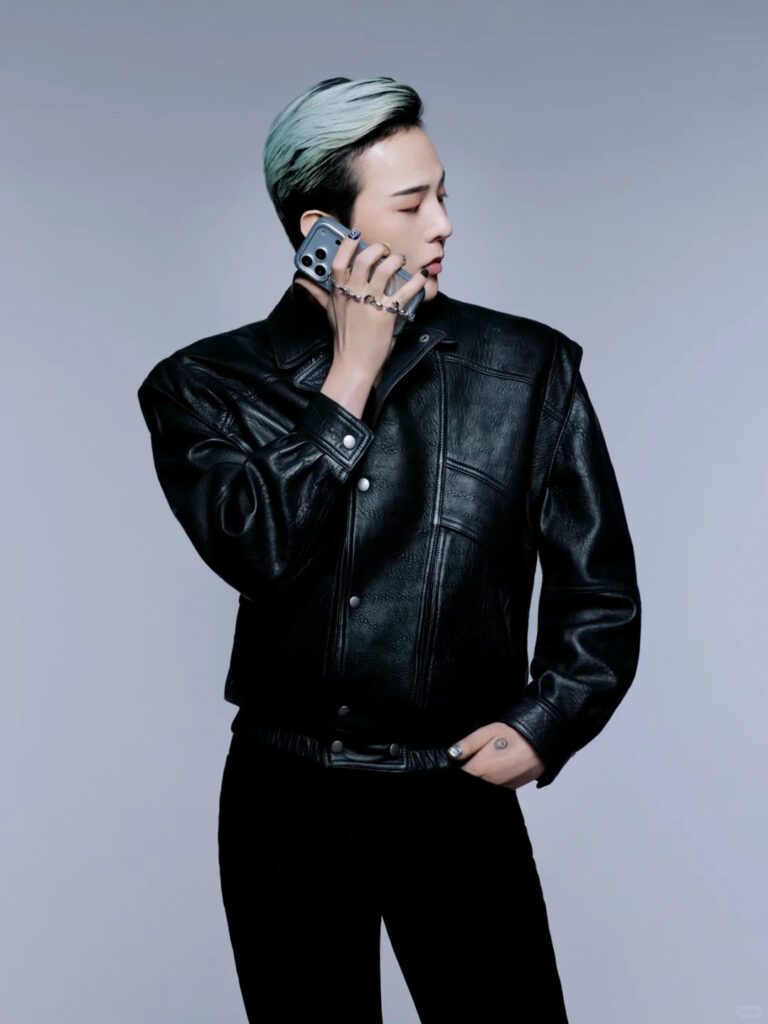
Seen in full, the G-DRAGON collaboration reads as a 15th-anniversary statement rather than a seasonal campaign. CASETiFY is using this moment to articulate what it wants to stand for: creativity over utility, authorship over endorsement, and culture over commodity.
G-DRAGON is not there to sell cases. He is there to legitimise a shift – one where tech accessories operate as cultural currency, carrying personal identity through everyday objects. In a market where self-expression is increasingly visual, mobile, and mediated through devices, CASETiFY is betting that the future of tech accessories lies not in use alone, but in meaning.