

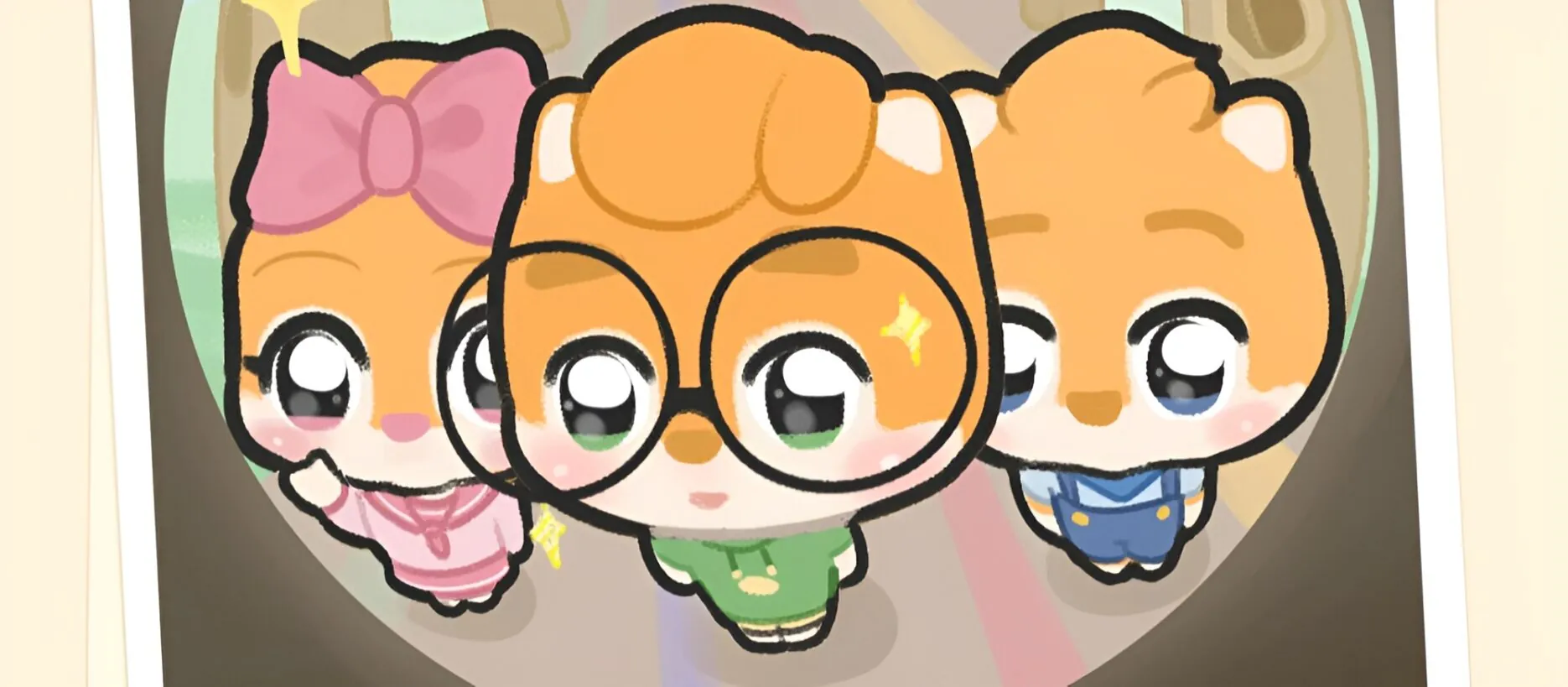
Three Squirrels (三只松鼠), one of China’s best-known snack brands, has found itself at the centre of an unexpected online debate – not over pricing, supply chains or food safety, but what employees call themselves at work.
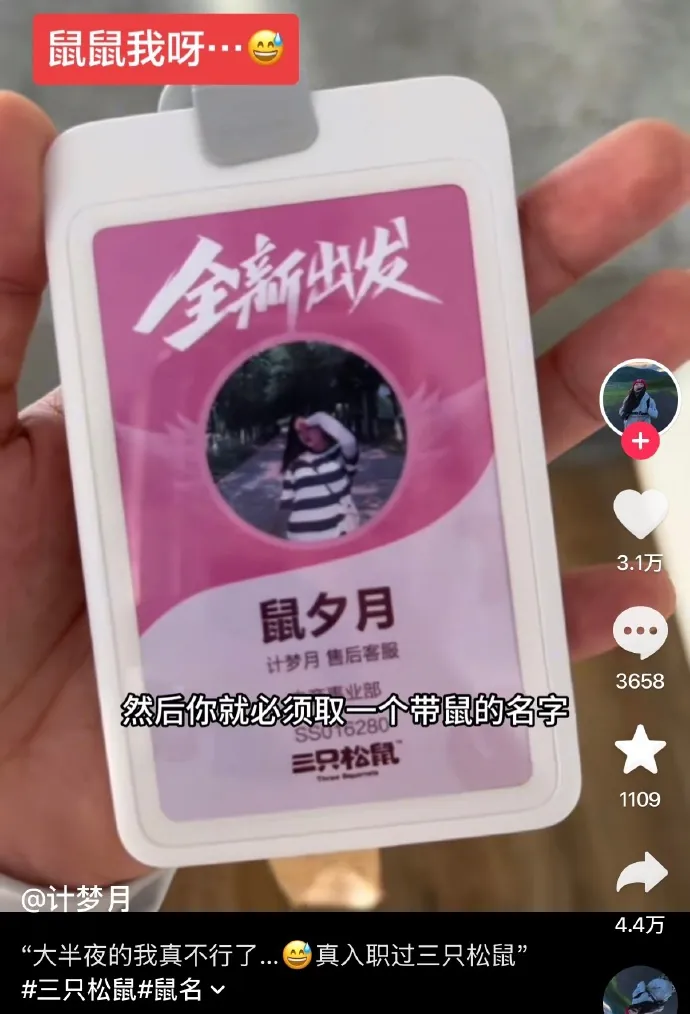
The Anhui-based company has been trending on Weibo this week after posts revealed that some staff are encouraged to adopt squirrel-themed nicknames internally. Screenshots circulating online show employees using playful monikers tied to the brand’s mascot-led identity, with even founder and CEO Zhang Liaoyuan reportedly being referred to in some contexts as ‘Squirrel Daddy’.
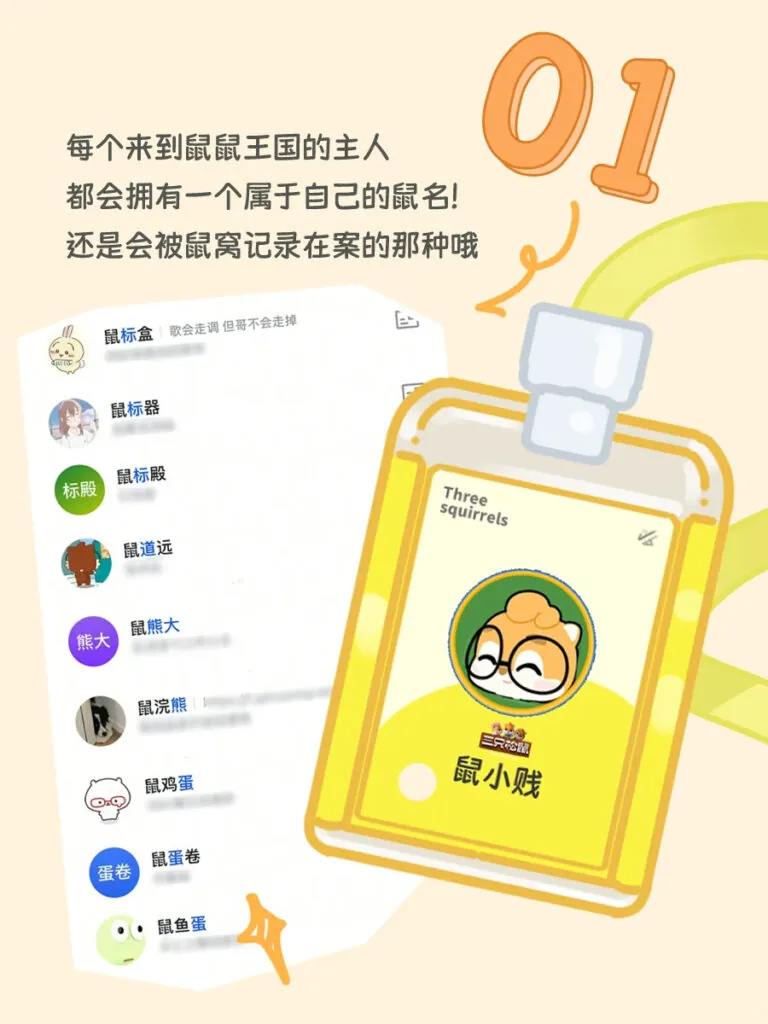
The reaction has been split. Supporters see it as an extension of Three Squirrels’ long-standing cartoon-driven branding and an attempt to flatten hierarchies, foster familiarity and build team identity in a large organisation. Critics, however, question whether such ‘voluntary’ practices are truly optional inside Chinese companies, arguing that employees may feel indirect pressure to participate in order to fit in.
This forced Three Squirrels to go public on the matter. In response, they said the naming convention is not a formal rule but a spontaneous part of its internal culture, stressing that staff are free to choose whether or not to use nicknames. The company framed the practice as light-hearted and consistent with a brand built around youthful, playful storytelling rather than rigid corporate formality.
The timing, however, has amplified scrutiny. Three Squirrels is in the process of preparing for a listing in Hong Kong, drawing fresh investor and media attention to its governance and corporate culture. At the same time, debates around workplace norms – from the long-criticised 996 overtime system to the rise of ‘lying flat’ attitudes among younger workers – remain highly sensitive topics in China.
In that context, even seemingly harmless internal rituals can become lightning rods. What might once have been dismissed as eccentric brand culture is now being read through a wider lens: one shaped by labour rights, power dynamics and changing expectations of what a healthy Chinese workplace should look like. This may not be the messiest kind of PR episode, but it’s a good reminder that a lot of young people feel disenchanted with corporate work culture.