



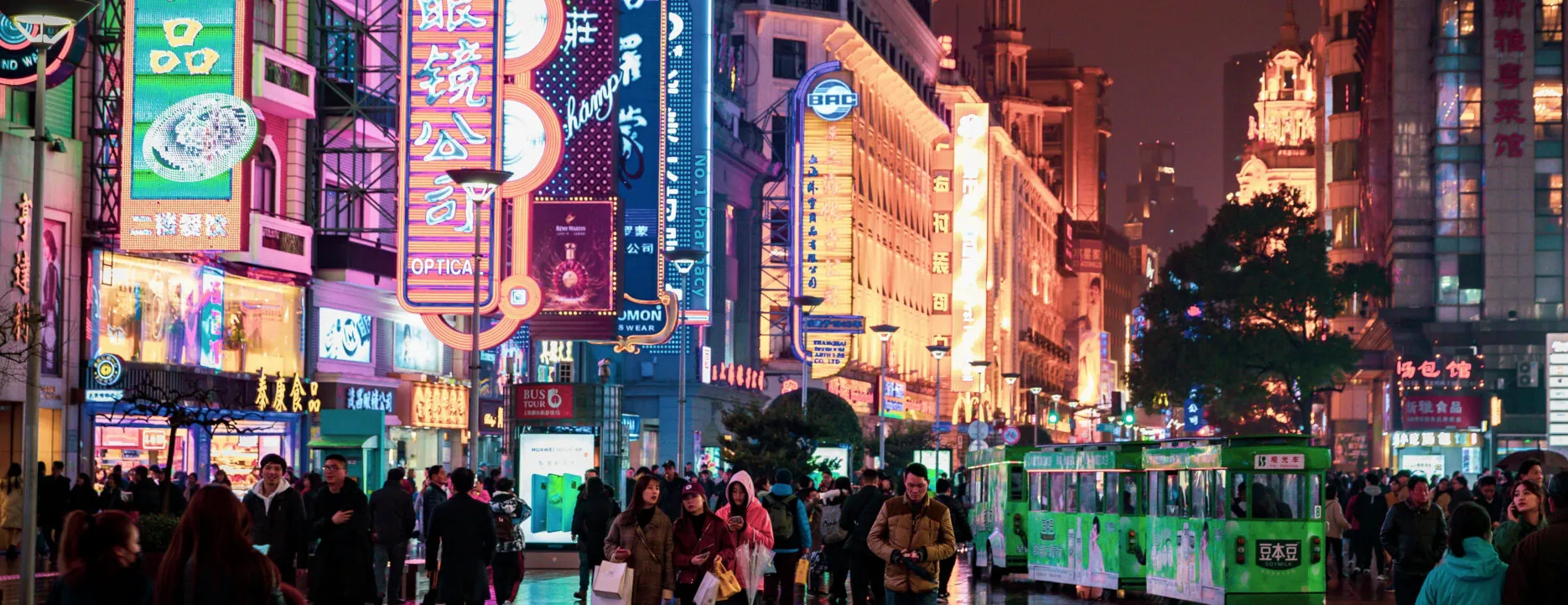
Shanghai’s consumer engine picked up pace through 2025, finishing ahead of China’s national figures. Shanghai consumer data shows a 4.6% rise in sales of consumer goods, beating the 3.7% national growth. The turnaround was gradual but clear: retail spending started 2025 in contraction, then climbed into positive territory by mid-year and doubling down in 2025’s second half.
The gains weren’t evenly spread. Big-ticket categories did much of the heavy lifting. Sales of new energy vehicles, communications devices and home-related products like appliances and furniture all logged double-digit growth – a sign that households responded strongly when the right incentives were in place.
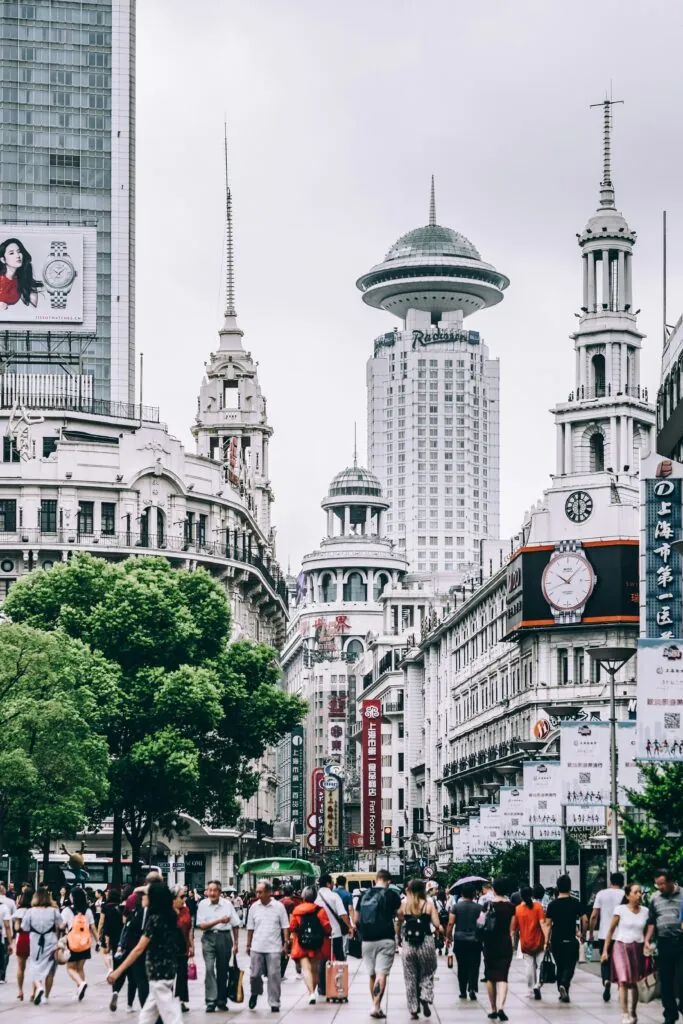
Policy was one of the key drivers. Shanghai’s trade-in and replacement subsidies helped generate more than RMB 120 billion (about US $ 17.2 billion) in sales across 2025. The city also pushed service spending with consumption vouchers aimed at dining, tourism, film, culture and sports.
Another tailwind came from overseas visitors. Shanghai recorded 9.36 million inbound arrivals in 2025, up 40% year-on-year – the highest on record. Spending followed suit. Outbound tax-refund sales jumped by around 80%, helped by expanded visa-free policies and a wider tax-refund network that now supports refunds at the point of purchase across the city.
Shanghai is now trying to lock in that momentum. This month, the city released a new 28-point policy package designed to link service-sector upgrades with broader consumption growth. A separate plan also targets leasing and business services, with a focus on scale and efficiency.
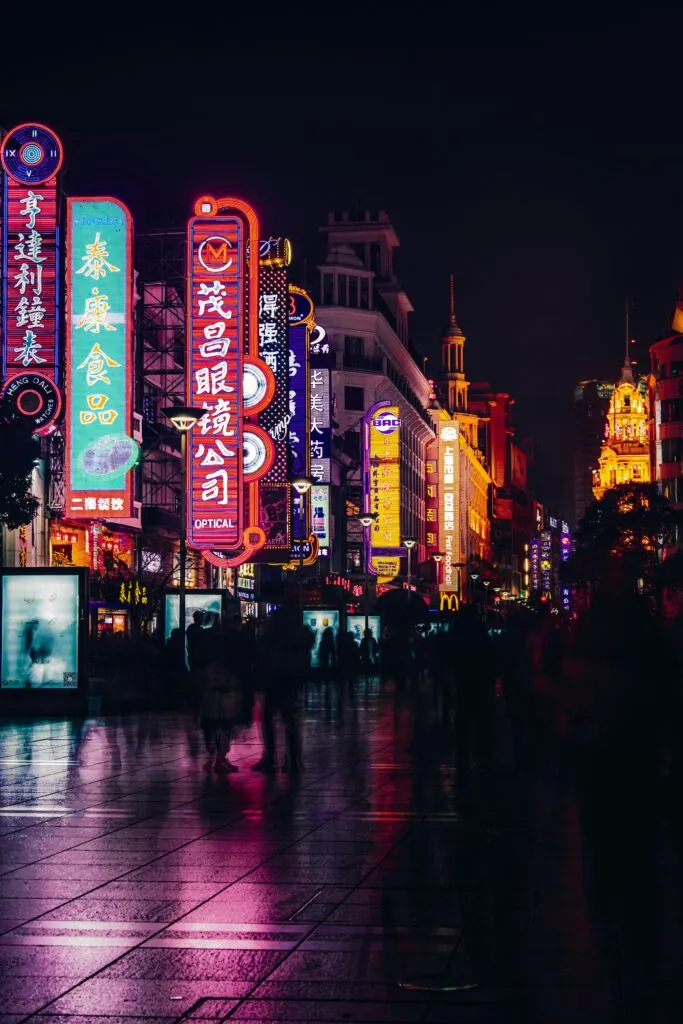
Its draft 15th Five-Year Plan also makes the direction clear: more culture, tourism, sports, and health consumption – plus heavier use of AI in retail, tighter online-offline integration, greener spending, more debut product launches, and a bigger night-time economy.
Shanghai has always been a powerhouse of Chinese commerce – well, for the modern era at least – but with China’s economy not hitting the high numbers people are used to, the city is under pressure to get people spending. For now, it looks like they’ve cracked it.