



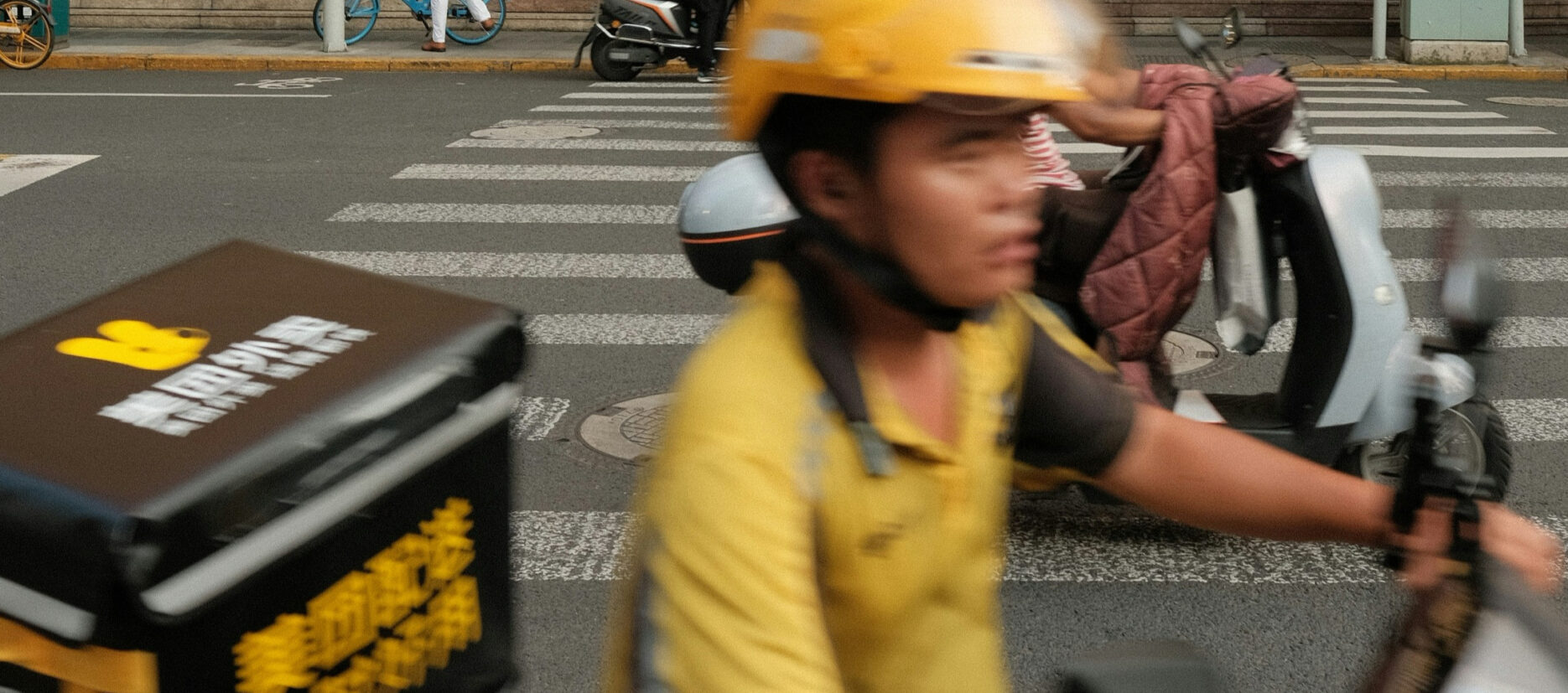
Meituan’s (美团) acquisition of Dingdong Maicai (叮咚买菜 ) adds another note to the already elaborate annals of China’s instant retail wars. While Meituan strengthens its fresh grocery capabilities with this $717 million deal – Dingdong Maicai is an on-demand fresh grocery platform – it also reveals something about how delivery platforms and e-commerce giants are converging around high-frequency consumption.
Over the past year, competition in China’s retail and delivery market has intensified, often framed in media as a response to new entrants and the hefty subsidies that drove prices to unsustainable lows. However, pressure has been building in other areas. Meituan has been focusing on 30-minute fulfilment times and Taobao Flash Sale has made similar promises.
Meituan’s acquisition of Dingdong Maicai narrows the gap between two sectors that have traditionally been somewhat separate: food delivery and e-commerce. A good way to think of this divide is that e-commerce traditionally prioritise cost efficiency over delivery speed, relying on price to win them customers.
Instant retail, on the other hand, relies on speed. Need a tube of toothpaste, a case of beer, or a carton of milk? Use an app like Meituan and have it in your hands swiftly. The two categories didn’t overlap because when you need that toothpaste, case of beer, or pint of milk, you often need it now.
What the Meituan Dingdong Maicai acquisition changes
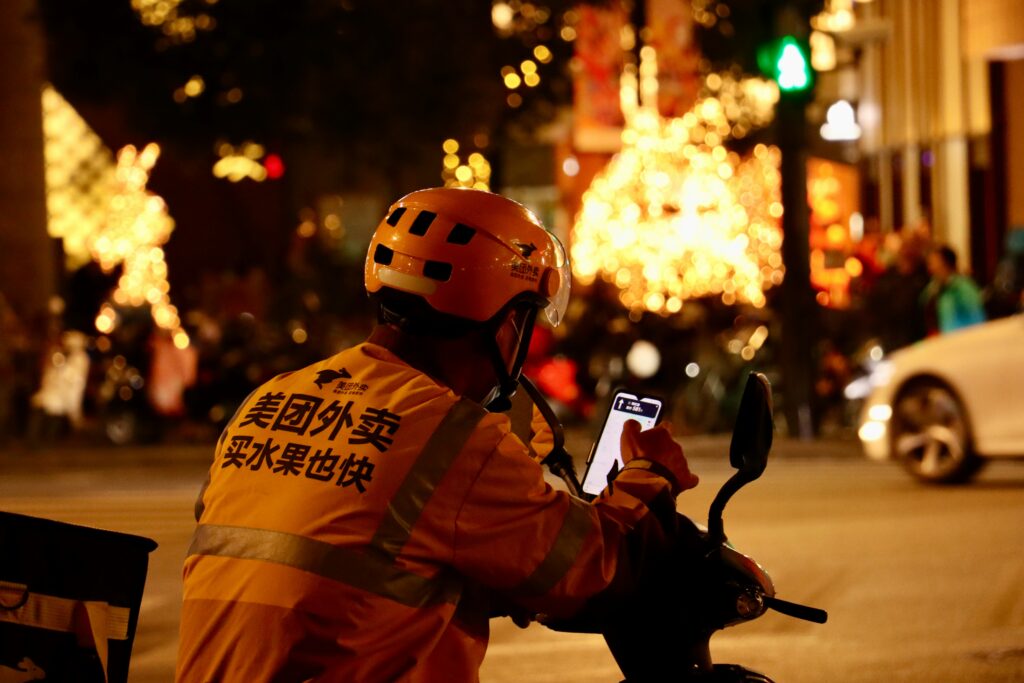
This balance is now eroding. As instant retail moves beyond food delivery and starts eating into everyday household categories, they grab up the kind of high-frequency orders that traditionally helped e-commerce platforms keep a tab on stable business. These purchases were small, but regular and predictable, and thus, operationally important. In effect, Meituan is pulling the rug out from beneath its competition.
The Meituan Dingdong Maicai acquisition isn’t so much about groceries as it is about infrastructure. It points to a broader battle between delivery platforms and e-commerce players around speed, proximity, and everyday consumption. Rather than trying to replace traditional e-commerce, Meituan is taking a shot at shaping consumer expectations in their favour.