



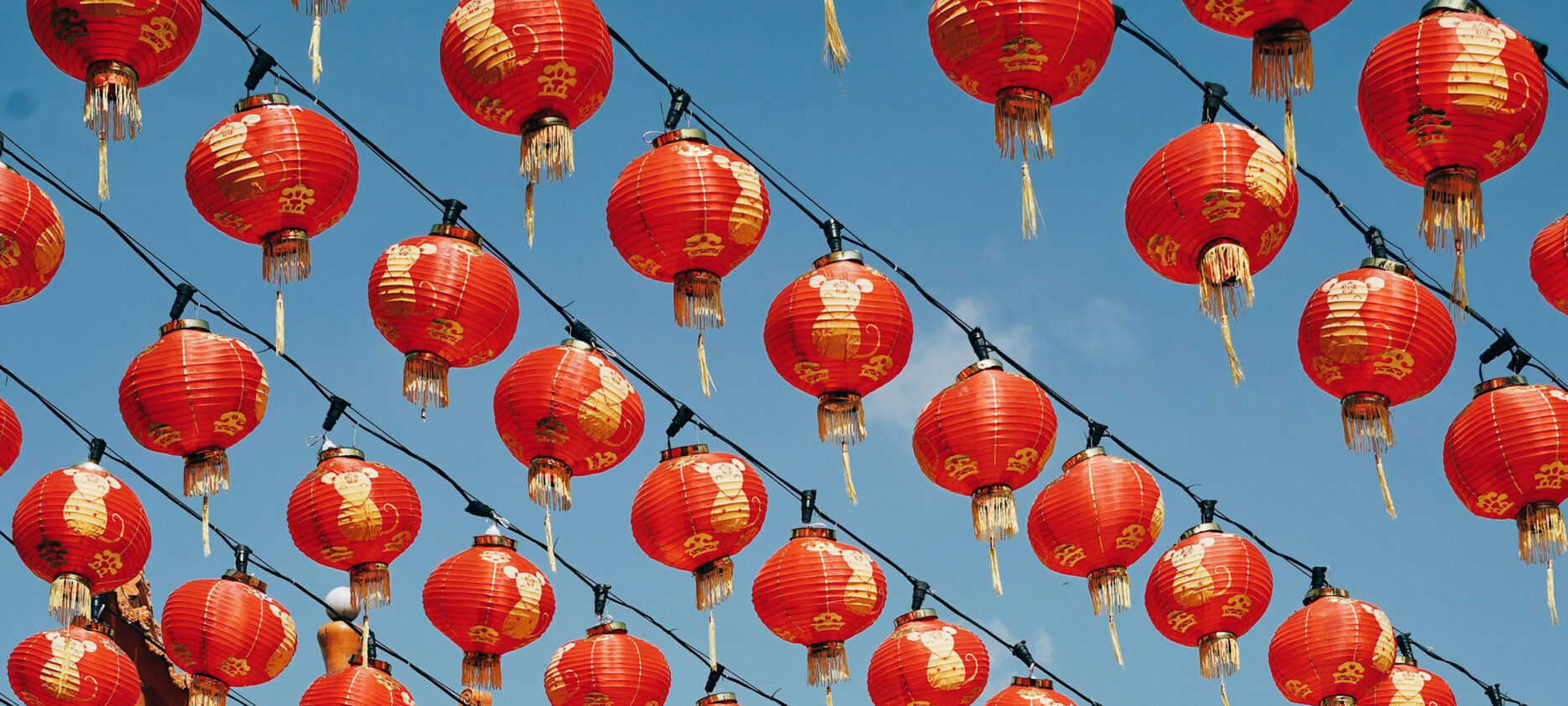
China’s Spring Festival is many things: a family reunion, a logistical miracle, and increasingly a stress test for the consumer economy. The latest Chinese New Year data, from the holiday period just gone, shows just how powerful that annual surge can be.
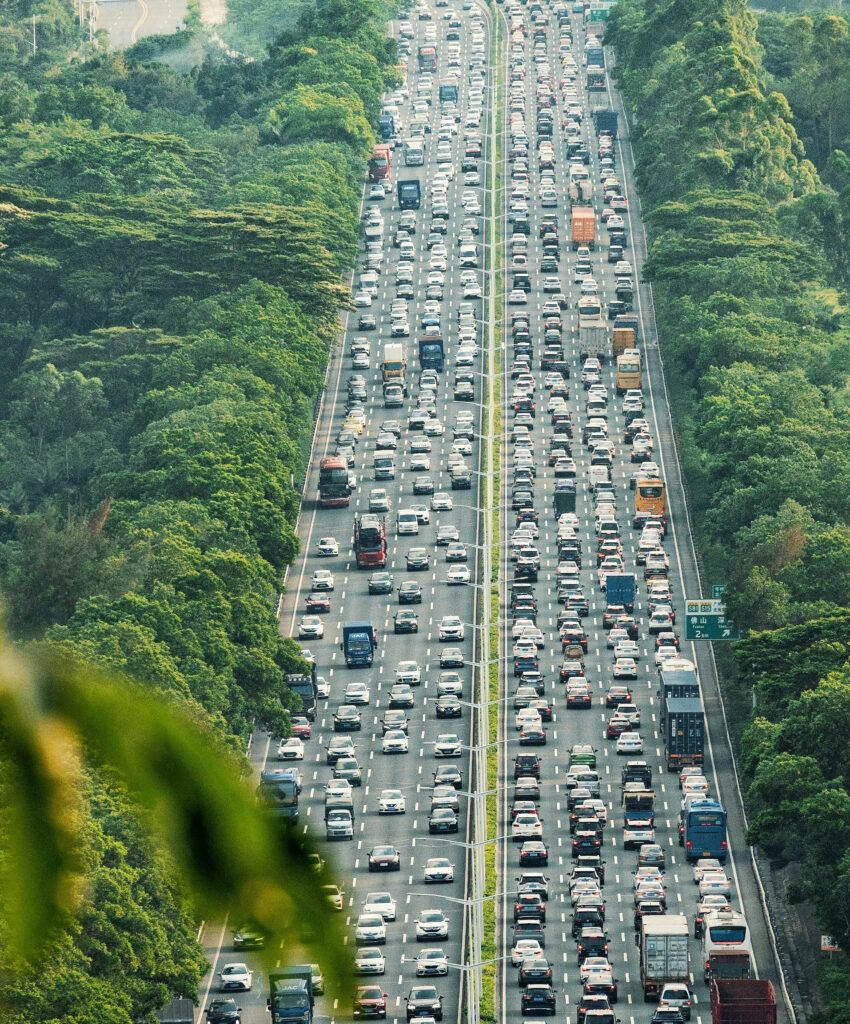
During the travel season, China recorded more than 2.8 billion cross-regional passenger trips, an 8.2% increase year-on-year. That’s trains packed to the doors, highways jammed with cars, and airports moving people at an industrial scale. The world’s largest human migration remains exactly that.
Where people holiday, money follows. Domestic tourism clocked 596 million trips over the holiday, generating RMB 803.48 billion ($116 billion) in revenue. Hotels filled, scenic spots turned away guests and every noodle stall within a five-kilometre radius of a tourist attraction probably did excellent business.
The international side of the ledger is also picking up. Border authorities recorded 17.8 million cross-border trips during the holiday period. Around 460,000 foreign travellers entered China under visa-free policies, a 28.5% increase compared with last year’s daily average. Visitors from more than 160 countries and regions fanned out across over 300 Chinese cities, giving local tourism boards plenty to smile about.
Entertainment kept pace with the travel boom. The Spring Festival film market generated RMB 5.75 billion ($834 million) in box office revenue, confirming once again that a good blockbuster pairs nicely with a week off work.
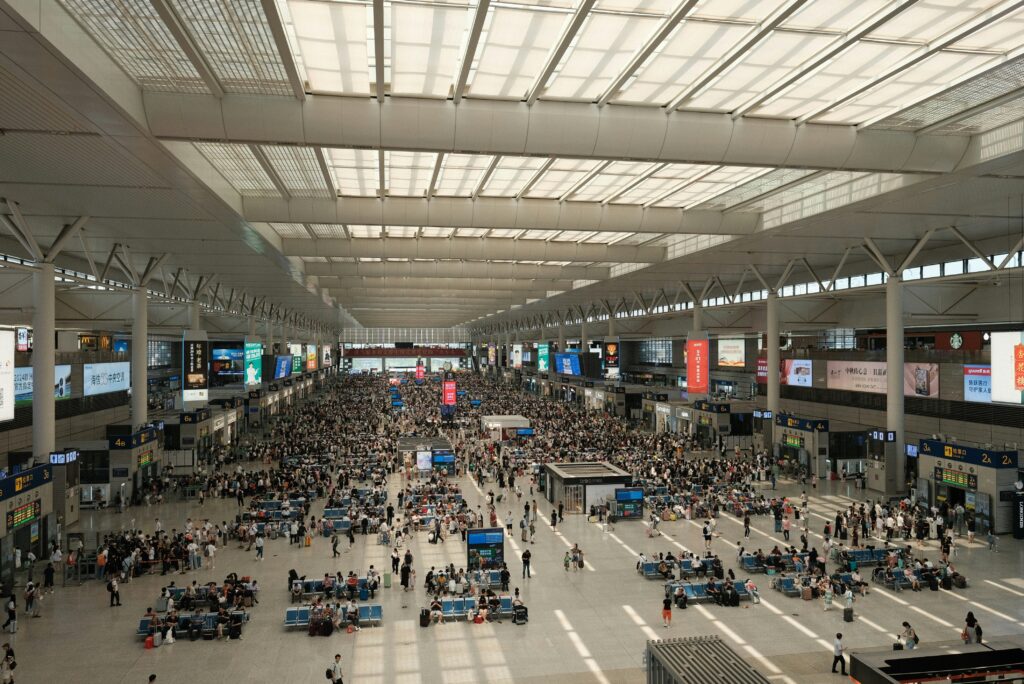
Taken together, the latest Chinese New Year data highlights something less surprising but equally telling: the sheer scale of China’s holiday logistics machine. Moving billions of people across a country the size of a continent is no small feat, yet each year the system expands to absorb the demand.
The numbers are a reminder that Spring Festival is not just a celebration. It’s one of the most complex seasonal mobilisations of people, infrastructure, and commerce anywhere in the world.