




Chinese company, ByteDance (字节跳动), has built one of the most radical AI smartphones we’ve seen in years – and was promptly told it to cool down. The company (also owners of TikTok) teamed up with telecoms giant, ZTE (中兴通讯), to release an engineering prototype of the Nubia M153, a handset pitched as the world’s first truly agentic AI smartphone.
That means the AI is not an assistant bolted onto a familiar interface. It’s an operating system designed to act: scanning apps and user data, switching between services, and completing tasks with no more than a tap of approval. For a minute, it looked like a glimpse of the post-app future. One where your thumbs are barely needed. Then reality intervened.
Soon after rollout, users began reporting forced logouts, interrupted data transfers and security warnings when logging into major platforms, including WeChat. Within days, the phone’s most advanced agentic features were effectively dialed back.
Why? China’s super apps are built around hard lines of identity, permission and accountability. WeChat, Taobao and Alipay are not passive utilities. They are tightly governed ecosystems that treat automated behaviour as a threat – as they should be for software that handles such sensitive information on such wide scales.
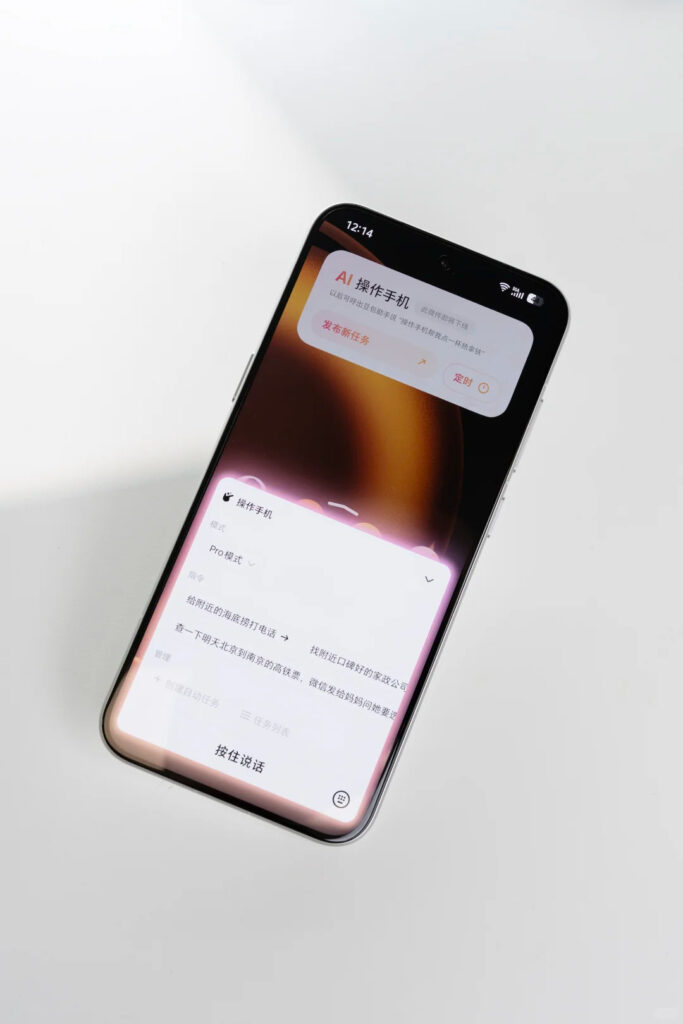
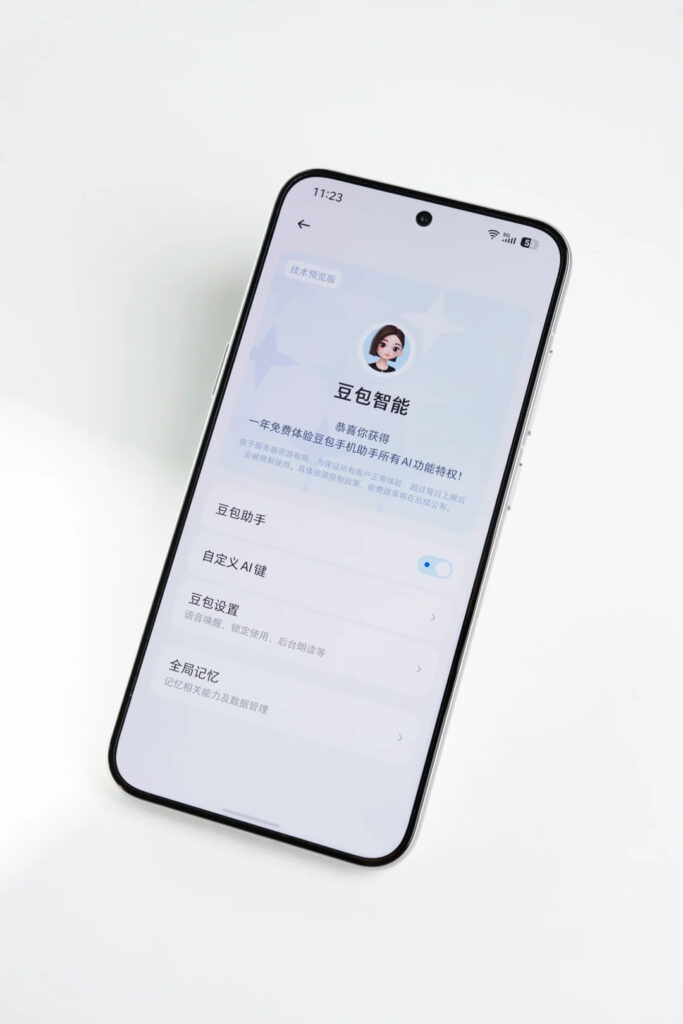
An AI that reads screens, clicks buttons and moves between apps like a human looks indistinguishable from the very tools these platforms are designed to block. That left the Nubia M153 in an awkward spot. Technologically, this Chinese AI smartphone may be the most ambitious device yet to reach users. Structurally, it runs straight into the walls of an ecosystem where trust is tied to people, not software agents.
The result is a rare real-world stress test for agentic AI. The hardware worked. The model worked. The system did not. For now, this Chinese AI smartphone is being nudged back into a familiar role: assistants that advise, not agents that act. ByteDance’s experiment shows why. Crossing the line from help to autonomy isn’t just a product leap. It requires renegotiating the rules of the platforms that govern digital life.