


China has set one of its lowest GDP growth targets in decades, signalling that policymakers are preparing the country for a slower, more deliberate phase of development. At the opening of the annual Two Sessions meetings in Beijing, Premier Li Qiang announced a GDP growth target of around 4.5-5% for 2026.
The number might sound familiar – last year’s goal was a solid 5% – but in historical terms it reflects a clear shift from the soaring double-digit growth numbers that powered China’s economic rise.
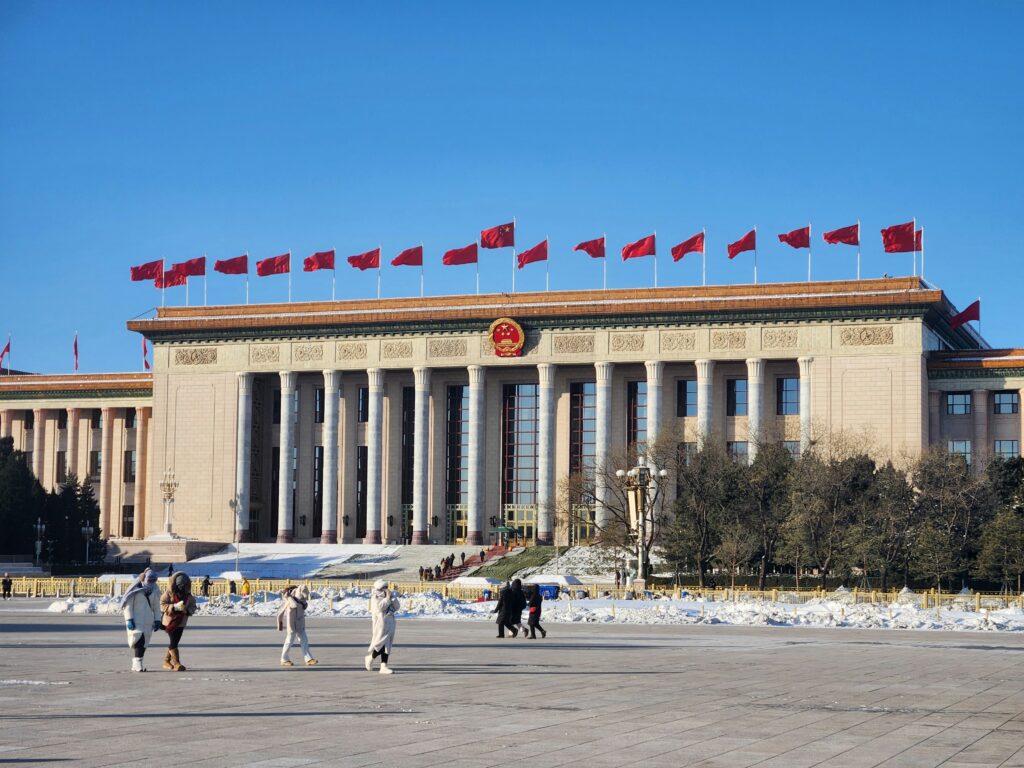
It’s a message that the era of breakneck growth is over. Stability now matters more than speed. And it’s a message that comes from the top dogs in Beijing…
Officials say the focus is now on shifting toward what they call ‘high-quality growth’. That means boosting domestic consumption, investing heavily in advanced manufacturing and emerging technologies, and reducing reliance on property development as the economy’s main growth engine.
The pivot comes as China faces a tougher economic landscape. The property sector – once responsible for huge swathes of China’s growth – remains in a prolonged slump. Consumer confidence is weak. Youth unemployment is high. Demographic pressures continue to act like a weight on the neck of recovery.
The gov. is also trying to steady the ship of the labour market. Beijing has set a target of creating around 12 million new urban jobs this year and aims to keep the urban unemployment rate at roughly 5.5%.
China set low GDP growth target: Dao’s take
Alongside these economic targets, policymakers signalled continued support for strategic industries like AI, semiconductors and advanced manufacturing, areas Beijing sees as crucial for the country’s next phase of development.
So then, is China abandoning growth? No, it’s redefining it. The world’s second-largest economy is still expanding – and still faster than most – but the tempo is changing. For those of you wondering what that means for the future of business in the country. It’s safe to say the gold rush days are gone. Don’t mourn the past. The future still offers growth, just on stronger foundations.