




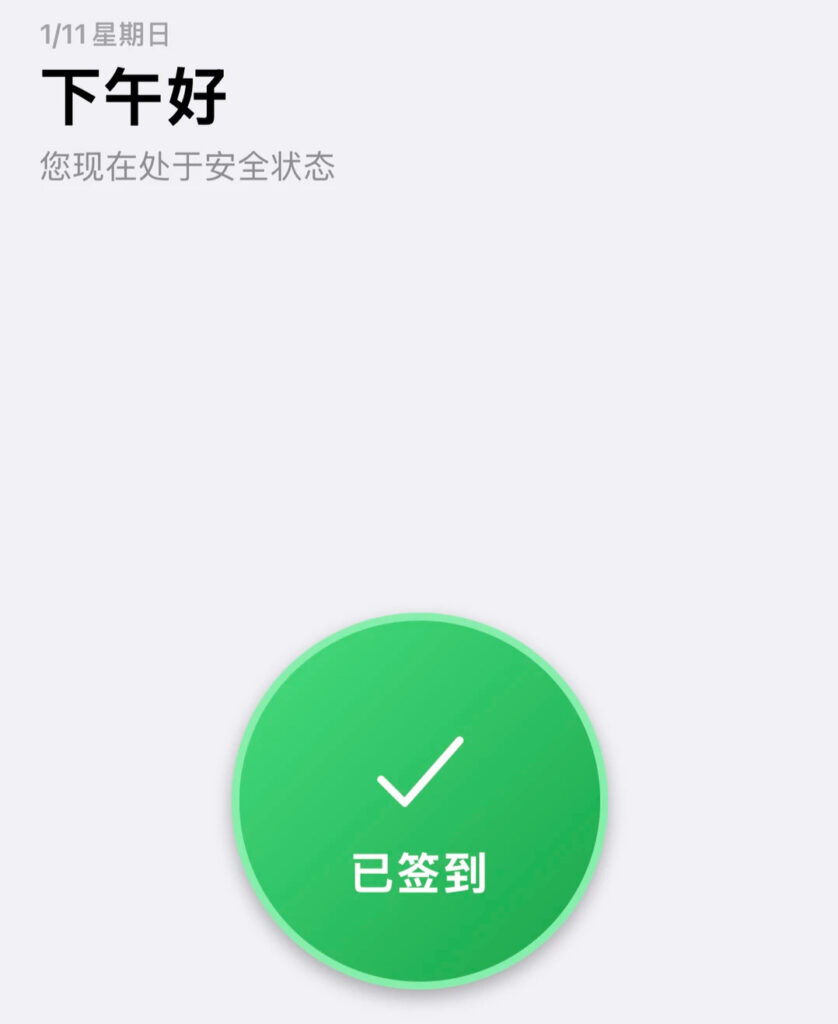
Live alone? Ever wonder who’d even know if you suddenly died? A recent viral trend in China shows this is a question a lot of people are asking themselves. At the centre of the trend is an app called Are You Dead (死了吗)? The idea is simple: check in by hitting a button every two days, or your assigned emergency contact will be notified.
The app launched in May 2025 but didn’t see much success. Now, for reasons hard to glean, it’s blowing up – becoming China’s most downloaded paid app. There’s more. Possibly driven by Chinese people overseas, it’s shot to the top of download lists in Australia and Spain, the U.S., Hong Kong and Singapore under the name Denmumu.
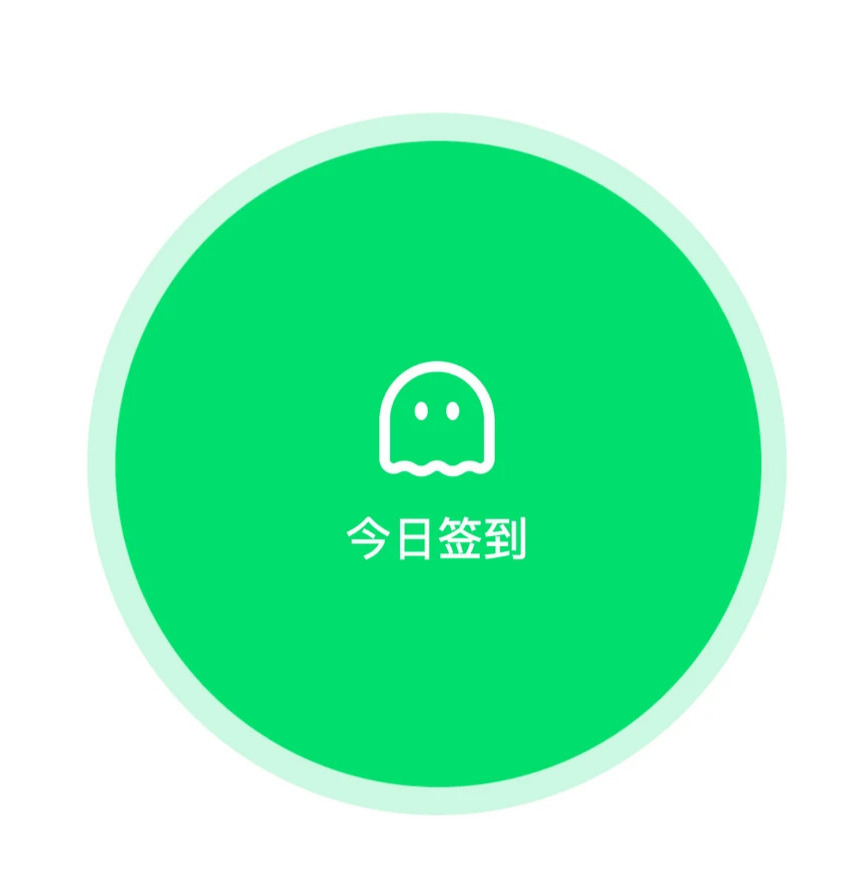
The app’s Chinese name is worth mentioning. The question ‘are you dead?’ when asked in Chinese sounds a lot like a highly popular Chinese food-delivery app named Ele.me (literally: Are You Hungry). But that doesn’t go very far toward explaining the app’s popularity.
What this wave of interest suggests is loneliness. China is expected to hit about 150-200 million single-person households by 2030. That’s well over 25% of the total households in the country.
Behind this revealing statistic are demographic and social shifts. In 2002, only 2.52% percent of Chinese households were single occupancy, but as China’s economy has grown, more people – especially the young – are leaving their hometowns to go where the jobs are.
Added to this is a growing trend in young people who don’t want to marry, instead focusing on themselves, or enjoying cash hard earnt on the 996. A single life – or one given over to pursuit of career – might seem appealing to many, but the rise of Are You Dead? shows independence doesn’t always come with a safety net. In a country where more young people are living alone, the app’s slightly morbid check-in button feels less like a gimmick, and more like a small, paid-for substitute for community.