




China’s humanoid robot race is moving out of the lab and into the real world with AgiBot (智元) at the head of the charge. The company shipped more than 5,100 humanoid robots in 2025, giving it roughly 39% of global shipments, or nearly four out of every ten robots sold worldwide – market share numbers that would make any startup in an early-stage industry weep.
Now AgiBot is taking that momentum overseas with a Munich unveiling of a new range of humanoid robots: the Expedition A3. The machine is designed for high-interaction work such as manning reception desks, navigating the nuances of retail and entertainment venues – basically customer-facing positions.
That’s exciting news. We’re one step closer to having a robot serve us our popcorn next time we’re at the cinema. But the A3’s arrival signals more than just that. It’s AgiBot dipping its toes in the European market, and it reflects a broader shift happening across the robotics industry.
For years AgiBot humanoid robots have been mostly experimental prototypes. Tools more for entertainment than actual help. Companies are now pushing toward real-world deployment – and fast.
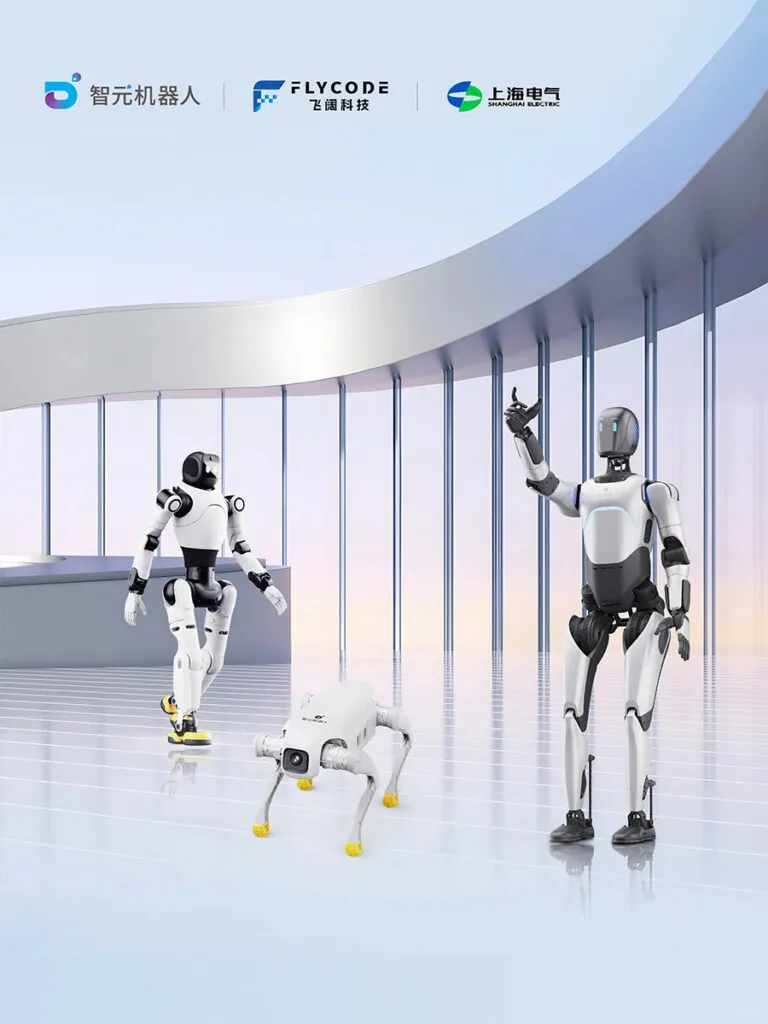
Industrial use is a testing ground. AgiBot’s Genie G2 humanoid robot has begun trial operations in factories, including deployments with automotive parts supplier Joyson Electronics. The robots are now performing hundreds of tasks across production lines.
For now, they’re still learning the ropes. Early tests suggest productivity still only sits at about half that of a human worker, though the company expects this to rise to 70–80% of human efficiency by the end of this year.
Behind the push sits one of China’s biggest advantages: supply chain density. Many of the core components needed to build humanoid robots can be sourced within a two-hour drive of Shanghai, anchoring development in the Yangtze River Delta’s manufacturing ecosystem. That location also puts them within easy shipping distance of the rest of the world – a market AgiBot now has its eyes firmly fixed on.