



Anta Puma China strategy: Key takeaways
- Anta and Puma are discussing how the German sportswear brand will operate in China after Anta completed its 29.06% stake acquisition
- Experience with FILA gives Anta something to bring to the table, although the Puma investment comes with different responsibilities and limits
- Retailers need clarity about the partnership, while shoppers need products that give them a reason to choose Puma
Puma (彪马) has a new Chinese shareholder. It’s Anta (安踏). The Chinese group has mountains of experience putting international sports brands in front of local shoppers. Puma could hardly be in better hands, but local distribution partners are looking cautious.
Chinese wholesalers have cut orders
Apparently unsure what the new relationship will look like or where they fit in, Chinese wholesalers have cut orders. Something needs explaining: Clarity on the Anta partnership. On 30 October, chief executive Arthur Hoeld confirmed that Puma had approached Anta to work out the way forward.
A new partner for the turnaround
Anta completed the purchase of a 29.06% stake on 7 October for approximately €1.51 billion (US$1.69 billion). That makes the group Puma’s largest shareholder. It doesn’t, however, mean Anta has taken over the business or started running its Chinese operations.
Anta says Puma will keep its independence. It wants seats on the supervisory board and could lend a hand with retail and operations. Now they need to work out how that will happen in China.

They’ve got their work cut out. Puma’s third-quarter sales fell approximately 5% this year. They’re putting more into advertising and rebuilding performance credentials, particularly in running. Getting back on form means sorting out a back log of stock and making products more desirable, which brings us to the consumer.
A stronger retail network, supported by Anta knowledge can make Puma easier to find, but shoppers still need that reason to buy. What does the brand actually offer? How clearly does that come across?
For parallels, consider FILA
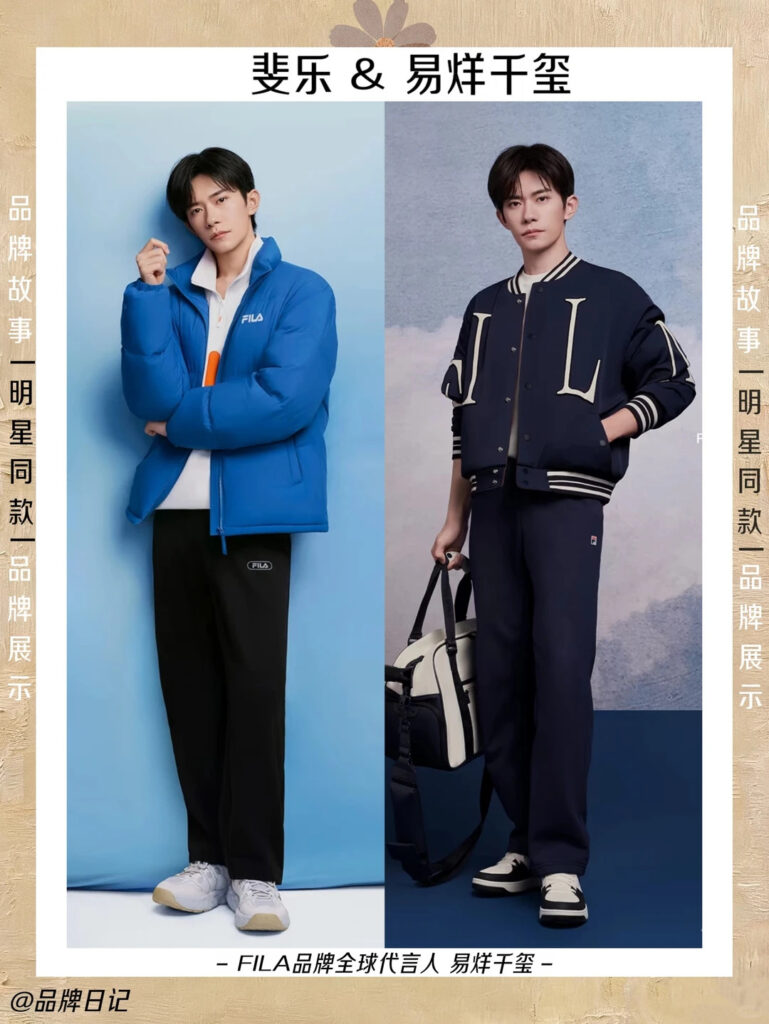

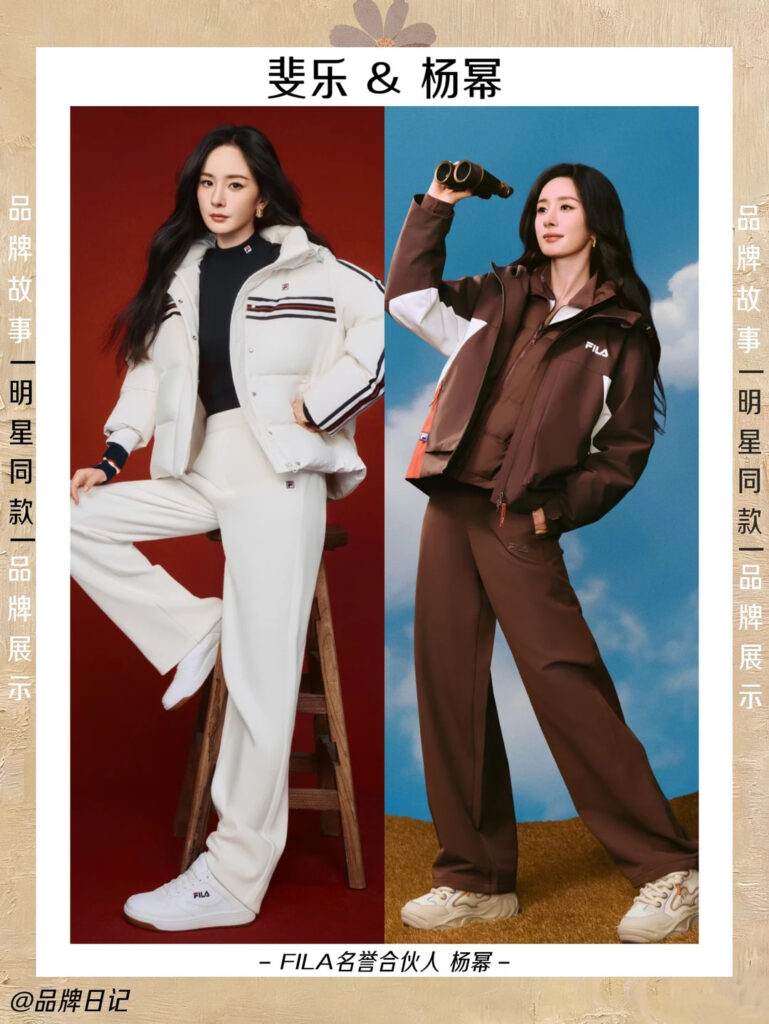
FILA (斐乐) is the obvious place to look. Anta acquired its regional business and rights in 2009. They developed a premium sports-fashion proposition for the brand in China. It came through designer collaborations and stores aimed at higher-end consumers.
Puma has heritage and lifestyle appeal to work with. They could learn something from FILA’s approach: make the message of sporting history come through as a core value. But Puma is a different challenge.
What’s needed is a strong identity
Anta runs the regional FILA business. Its minority Puma stake gives it less control. Nor will copying the FILA formula necessarily win shoppers over. What’s needed is a strong identity. Everything shoppers see, from the shoes to the adverts and shop floor, should make it clear what Puma stands for.
First, give retailers some answers


Before any of that strategy reaches the shop floor, wholesale partners need clarity. Ordering stock means committing money and space. Understandably, retailers want to know how a new arrangement might affect their business before making those commitments.
A future model would need to explain who handles distribution, how existing partners participate, and where local decisions meet global direction. Once there’s a plan, retailer orders, inventory levels and sales at full price will give us more to judge than the promise of a powerful partnership.
The Dao view: give shoppers a reason to care
Puma needs to turn its global identity into a strong localised offer. Anta can certainly help here. FILA gives us one example of how this could work – positioning and retail execution supporting each other – but Puma needs its own version. First up: give retail partners confidence about what comes next. After that, the harder task: persuading Chinese shoppers that Puma is worth buying.