


Shanghai Fashion Week: Key Takeaways
- Shanghai Fashion Week brings visibility, buyer introductions and market feedback together, helping foreign labels explore or expand their China business
- Its trade fairs and showrooms give brands opportunities to discuss pricing, product fit and distribution directly with retail buyers
- Participation opens doors, but lasting growth depends on a distinctive proposition, reliable delivery and continued support for retail partners
If you’re a foreign fashion label, entering the Chinese market requires you leap a few hurdles. Stockists will need sourcing, and they’ve got to be the right fit. You’ve got to zero in on what your customers actually want and understand it across a wide cultural gap. Then there’s the question of attention. Shanghai Fashion Week (上海时装周) offers a chance to clear all these hurdles in one leap.
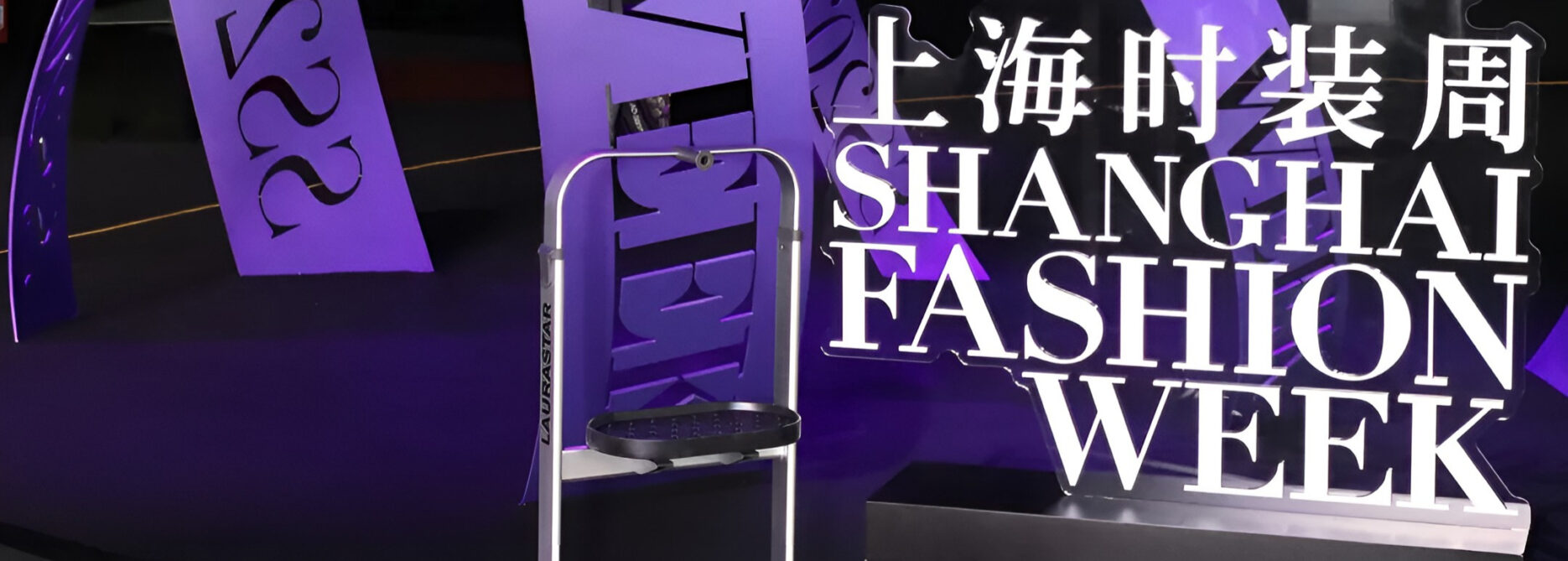
The Spring/Summer 2027 edition opened on 8 October under the theme Renewed Radiance. Organisers announced almost 100 runway presentations and around 1,000 participating brands. Alongside catwalk shows there are trade fairs, discussions and consumer events. Breadth is the appeal: a label can present its creative identity while exploring the practical business of selling in China.
A local stage for international ambitions
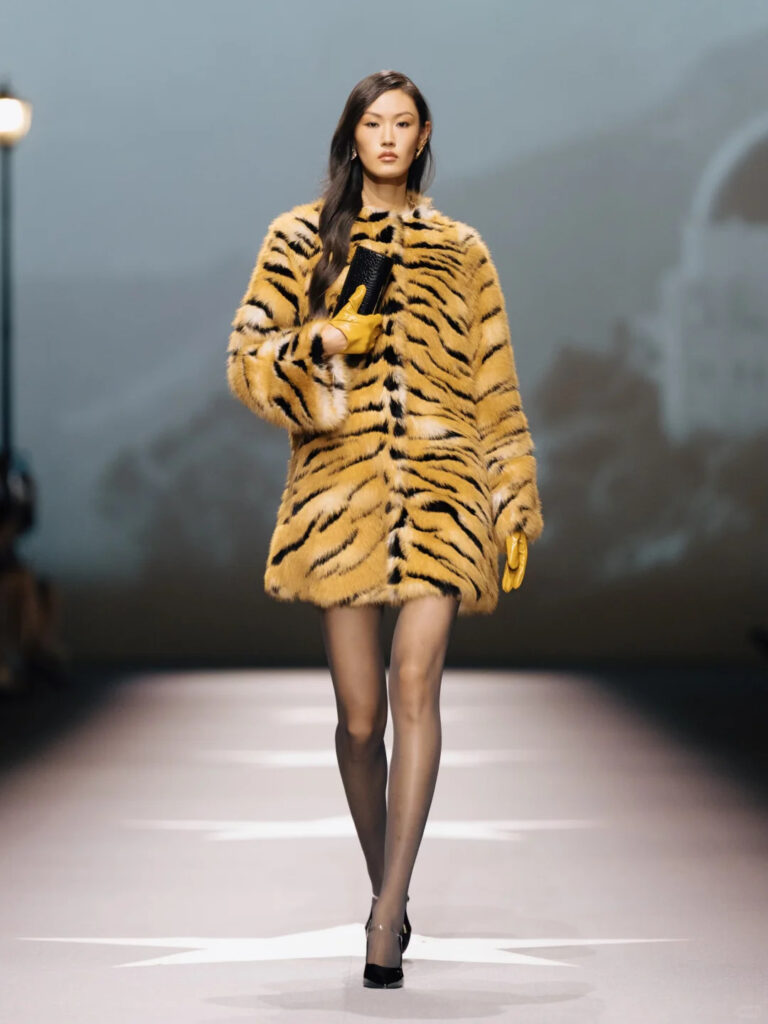
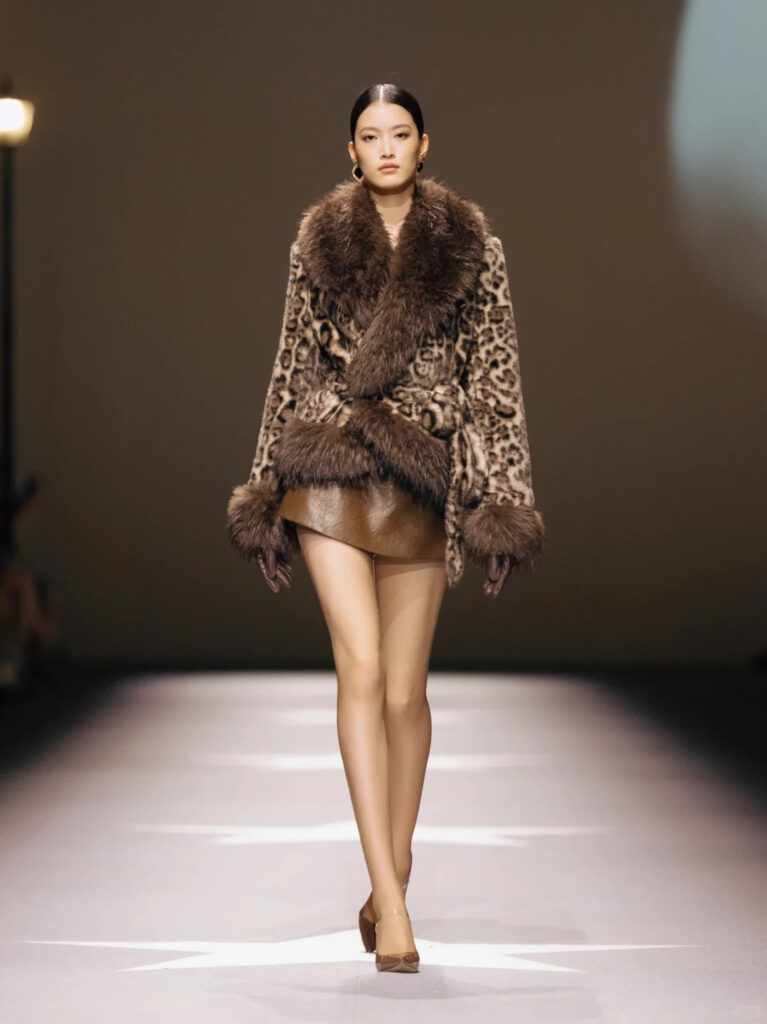
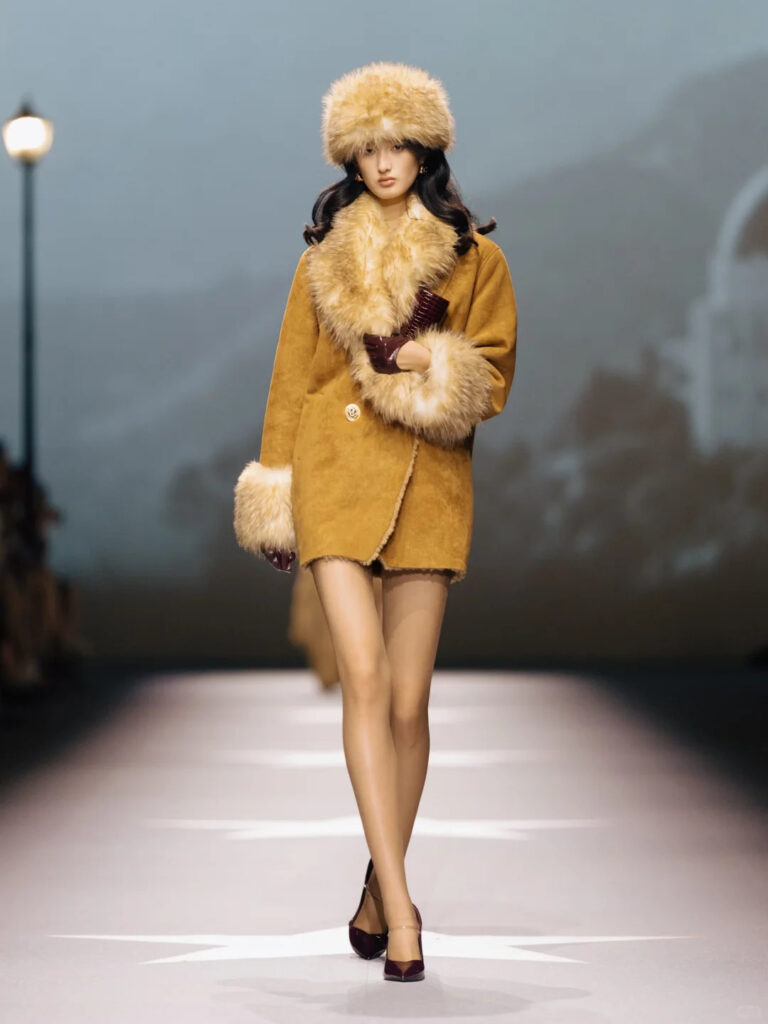
Among the international names highlighted in the official announcement was Los Angeles-based Nana Jacqueline. Brands from Italy, France and Denmark also presented collections as they explored routes into market.
For these foreign brands, the fashion week is a podium from which to explain a brand proposition directly to local industry audiences
For these foreign brands, the fashion week is a podium from which to explain a brand proposition directly to local industry audiences. A collection can be assessed in the context of Chinese retail and it can be done alongside the designers and products competing for the same shoppers.
Participation, then, is potentially useful for established entrants as well as newcomers. You could come with the goal of sharpening your positioning, renewing buyer interest or, say, broadening distribution. It doesn’t have to be purely about market entry – a runway appearance creates a reason to start new and different conversations.
The business beyond the show


Once that conversation has been started, the show’s trade programme gives talk a direction to head in. This year’s schedule included ten trade fairs and showrooms where brands can meet retail buyers and discuss stocking their collections. Then there were extra events with similar purposes.
These settings serve a different purpose from a show. Buyers can examine garments, consider how a collection fits their existing assortment and discuss the terms that determine whether stocking it makes commercial sense. Meetings like this offer a chance to hear objections about price, product or delivery, what’s working and what’s not, all before committing to a wider expansion.
The obvious attraction is this concentration of industry heads and opportunity
The obvious attraction is this concentration of industry heads and opportunity. Bringing collections and contacts together over several days makes an exploratory visit more productive by orders of magnitude. Even if nothing comes of your foray into fashion week, it’s a far simpler place to dip your toe than over multiple trips to factory towns around Zhejiang and Jiangsu, the long boozy banquets that follow and the fishing for suitable stockists.
Joining China’s fashion conversation


International brands also encounter a platform with a strong domestic identity. Shanghai-based HEMU opened the programme with a collection drawing on Dunhuang heritage and textile traditions. Chinese labels such as STAFFONLY and Comme Moi also featured in the line-up.
For foreign participants that really means that their overseas provenance alone doesn’t offer a complete pitch. They need a clear answer as to why a Chinese buyer should make room for their products.


The wider programme offers other forms of exposure. A Mercedes-Benz pop-up showed how companies outside clothing could participate through experiences connected with the week’s fashion audience. Activity in that vein serve a different objective from wholesale meetings, even when both contribute to market development.
The Dao view: An open-door approach
Shanghai Fashion Week’s commercial appeal lies in combining opportunities that brands otherwise have to pursue separately: visibility, introductions, product feedback and potential distribution.
There will still be a lot of leg work after these connections have been made. Buyer enquiries need follow-up. A brand will have to sort out reliable delivery routes. Retail partners will need support. But for a foreign brand looking to break into the Chinese market – or an established one looking to find new business – Shanghai Fashion Week is an open door.