


Starbucks’ Xinjiang debut: Key takeaways
- Starbucks’ first two Xinjiang cafés combine prominent Ürümqi locations with regional drinks and heritage-inspired design
- The openings fit its China expansion strategy with Boyu Capital and local efforts to attract new brands and stimulate consumption
- US political criticism and human-rights concerns show how domestic expansion can create international reputational pressure
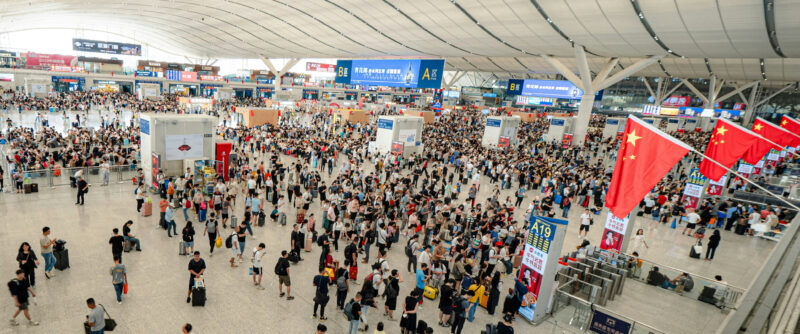
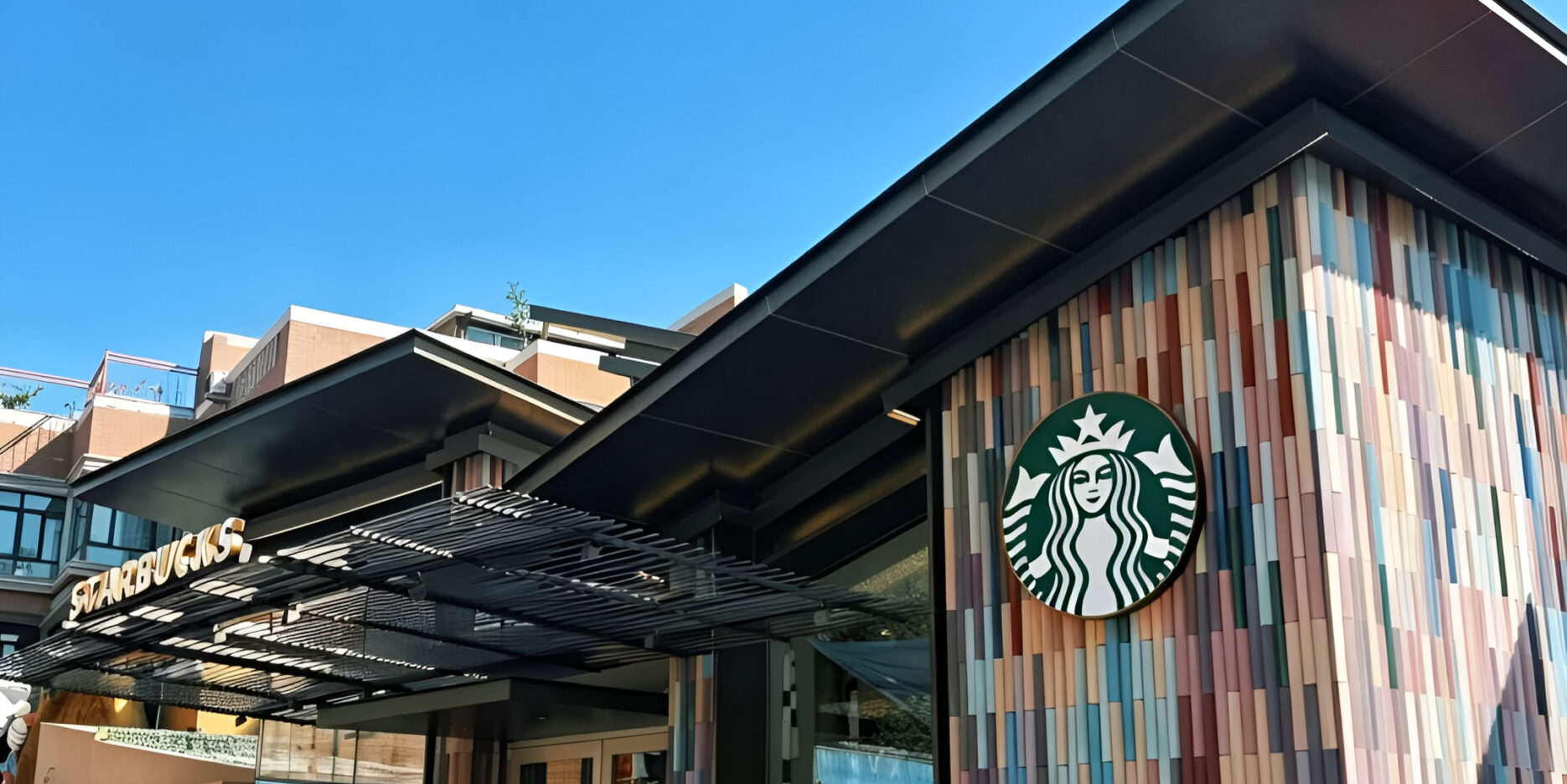
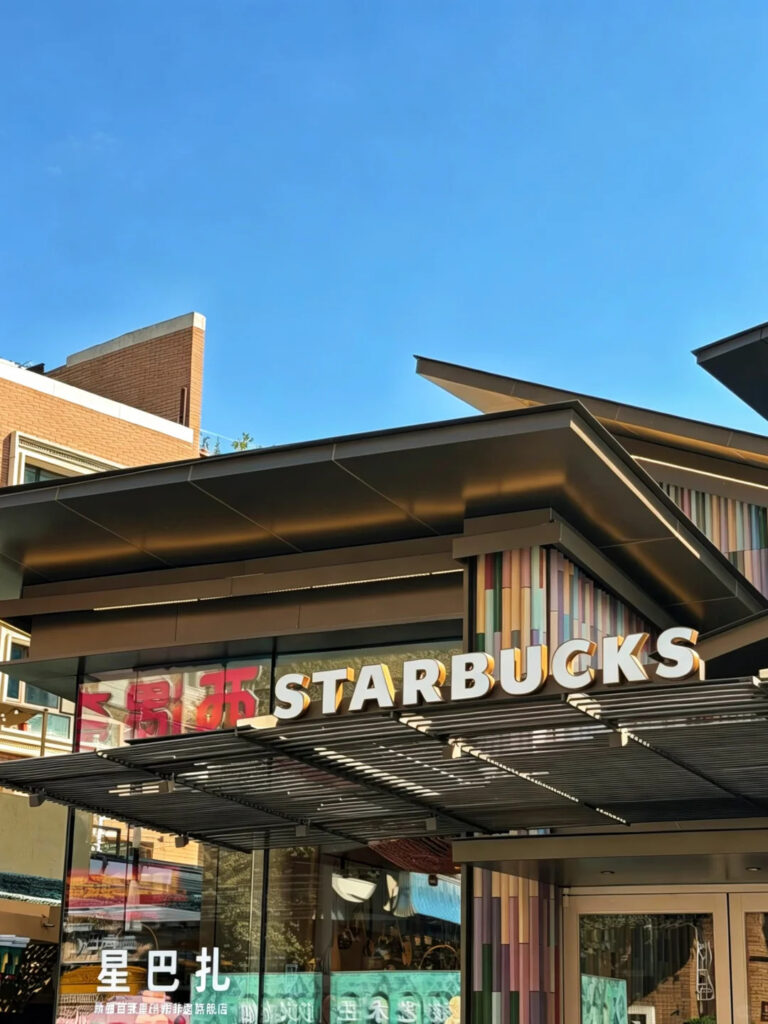
Starbucks (星巴克) has opened its first two cafés in Xinjiang. It’s a move that’s both extended its China footprint and drawn criticism from its global market. The cafés occupy two prominent locations: Ürümqi Tianshan International Airport and the city’s International Grand Bazaar.
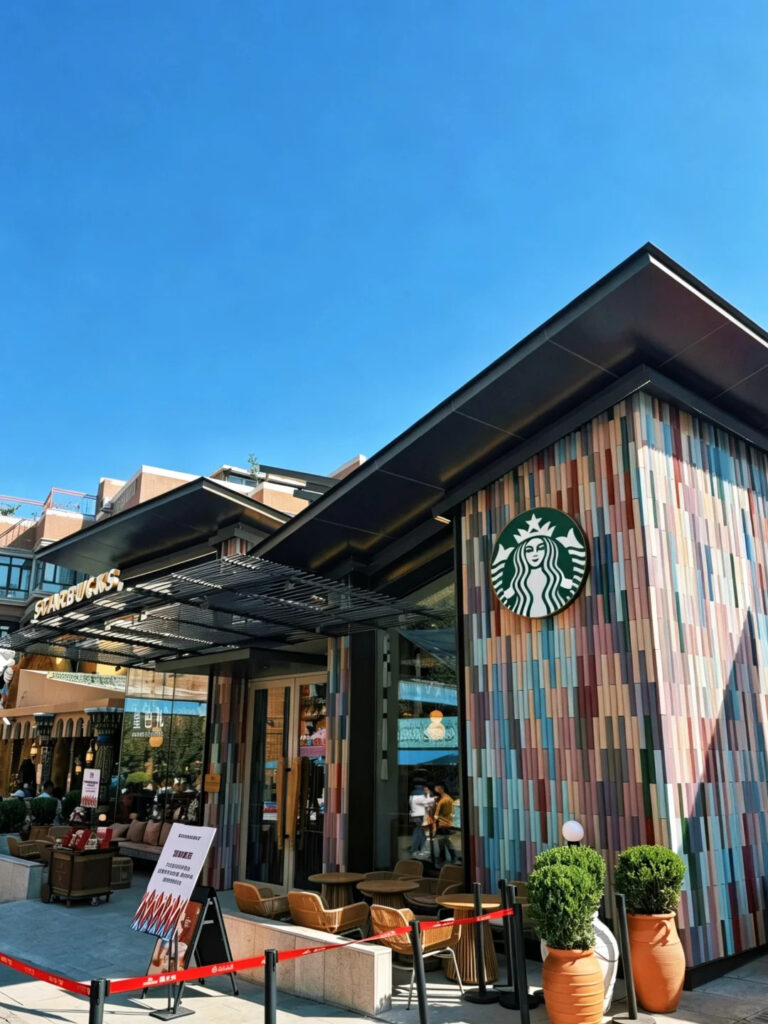
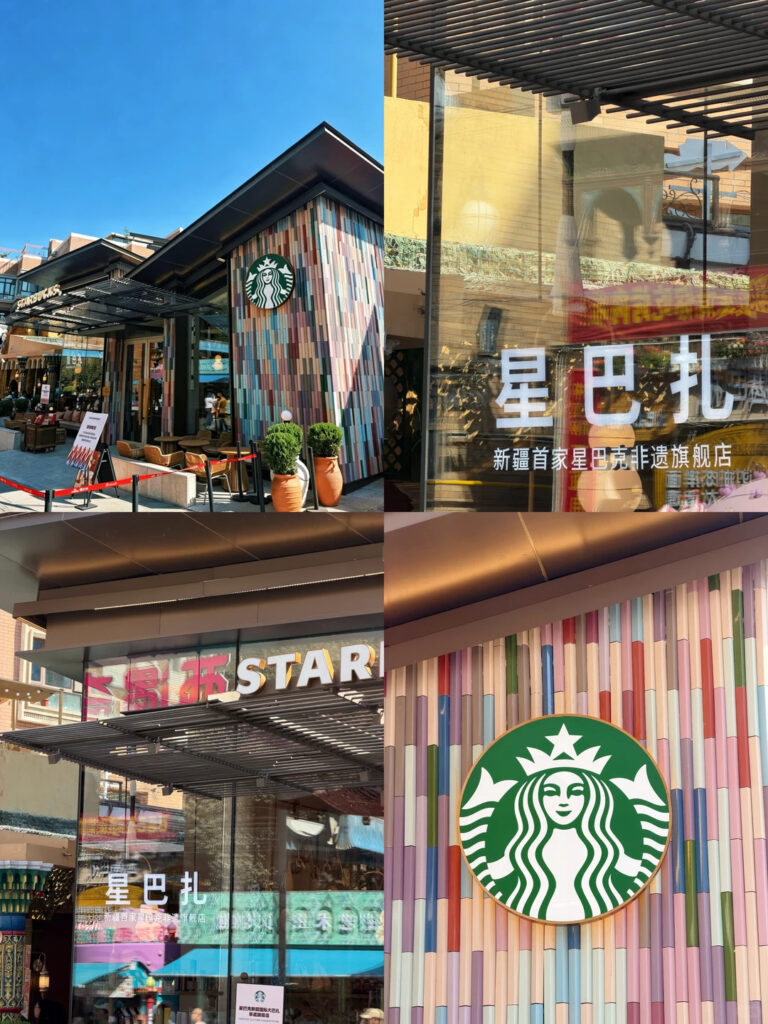
At the bazaar flagship, traditional canopy shapes are worked into the architecture
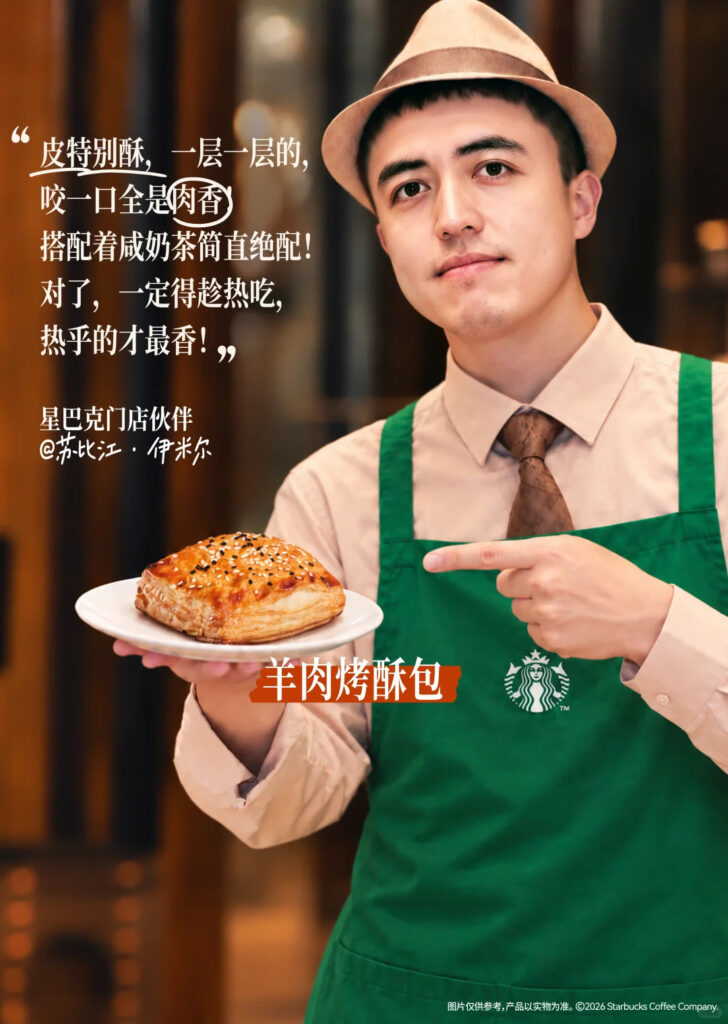
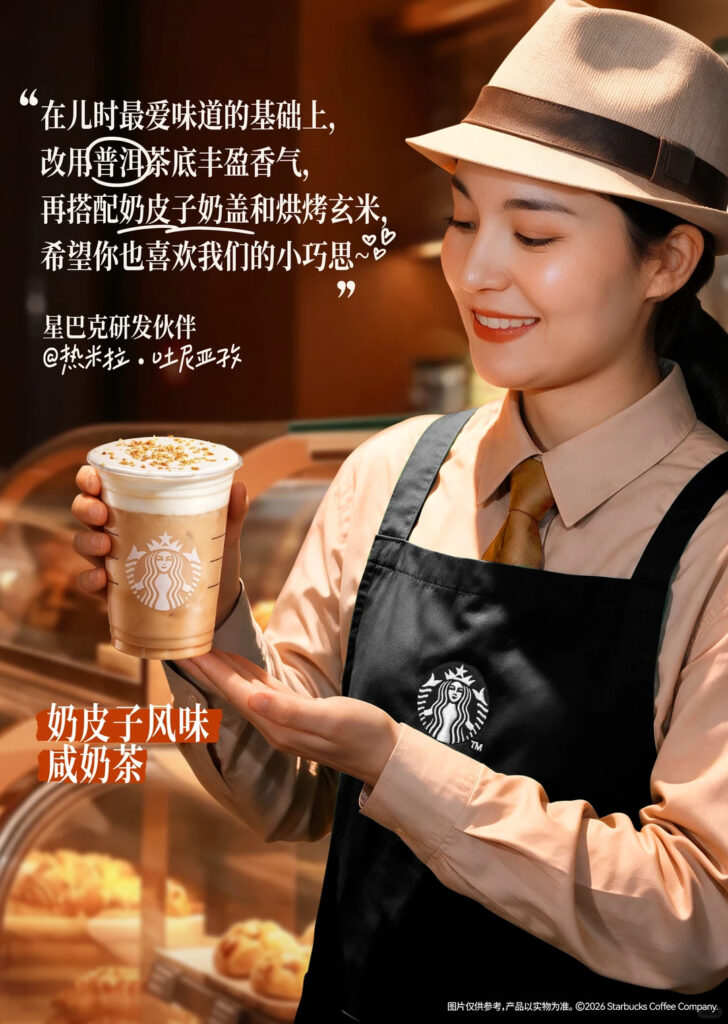
At the bazaar flagship, traditional canopy shapes are worked into the architecture; Atlas silk and ethnic musical instruments feature inside. Drinks also undergo localisation in the form of a milk-skin-flavoured salty milk tea.
The approach fits Starbucks China’s expansion strategy: In April, the company completed its joint venture with Boyu Capital, whose funds now own 60% of the Chinese retail business. The partnership aims to expand into as many as 20,000 locations over time, with regional relevance taking a central role in their growth plans.
Chinese state-media coverage linked the openings to Xinjiang’s ‘first-store economy’. That’s an economy hoping to attract new brands to open up shop with the aim of stimulating local consumption. Demonstrating commercial appeal is obviously a big part of that effort for those in charge.
If you look at foreign media, the response has not been so positive. US congressman John Moolenaar called for the stores’ closure. Human-rights organisations argue that international investment helps normalise conditions in Xinjiang, those conditions of course being the detention of Xinjiang’s local Uyghur minority.
If you look at foreign media, the response has not been so positive
China rejects the claims, but The UN Human Rights Office assessed the situation in 2022 and concluded that arbitrary and discriminatory detention of Uyghurs and other predominantly Muslim groups may constitute crimes against humanity.
Dao view: Local relevance, global consequences


Starbucks has walked into murky waters here. Its China business requires domestic expansion, and Xinjiang offers room for expansion. It’s just that this region is fraught with bad publicity. That’s not necessarily a problem for Chinese brands, but if you’re international it can bring heat.
You won’t need reminding of the mess H&M found its China business in when it raised concern over the region’s human rights issues. Should Starbucks have opened there? That’s a question too deep for Dao to answer, but we will say it needs to tread carefully.