

Unitree Robotics (宇树科技) has entered public markets at a sprint. Shares opened at RMB 1,100 on Shanghai’s STAR Market, 629.44% above their issue price. Later they slipped to RMB 845, but Unitree’s first trading day still ended with share price up 460.34%.
That left the Hangzhou robotics company worth approximately RMB 342 billion (US$50.7 billion), more than five times its RMB 61 billion IPO valuation. The performance was exceptional even by the standards of China’s new-listing market – often easily excitable – where the average first-day gain has hit 279% this year.
Demand for Unitree stock has been building even before trading began. Nearly 9.8 million retail accounts applied for shares. The initial online subscriptions exceeded supply by 8,288 times.
This valuation may look heady but Unitree has the substance to back it up
In the end Unitree offered only 10% of its enlarged share capital and that wasn’t the only element of scarcity in play. Strategic placements also reduced the immediately tradable supply.
This valuation may look heady but Unitree has the substance to back it up. The company’s revenue rose to RMB 1.70 billion in 2025, when it reported a RMB 278.21 million profit. Wednesday’s closing valuation was still equivalent to approximately 200 times that annual revenue. Big, big bucks.
The Dao view: Unitree will need to find working applications for robots
Investors have priced in Unitree’s next act before it has fully arrived. Research and education generated 73.6% of its humanoid-robot revenue during the first nine months of 2025. Industry applications, just 9.01%.
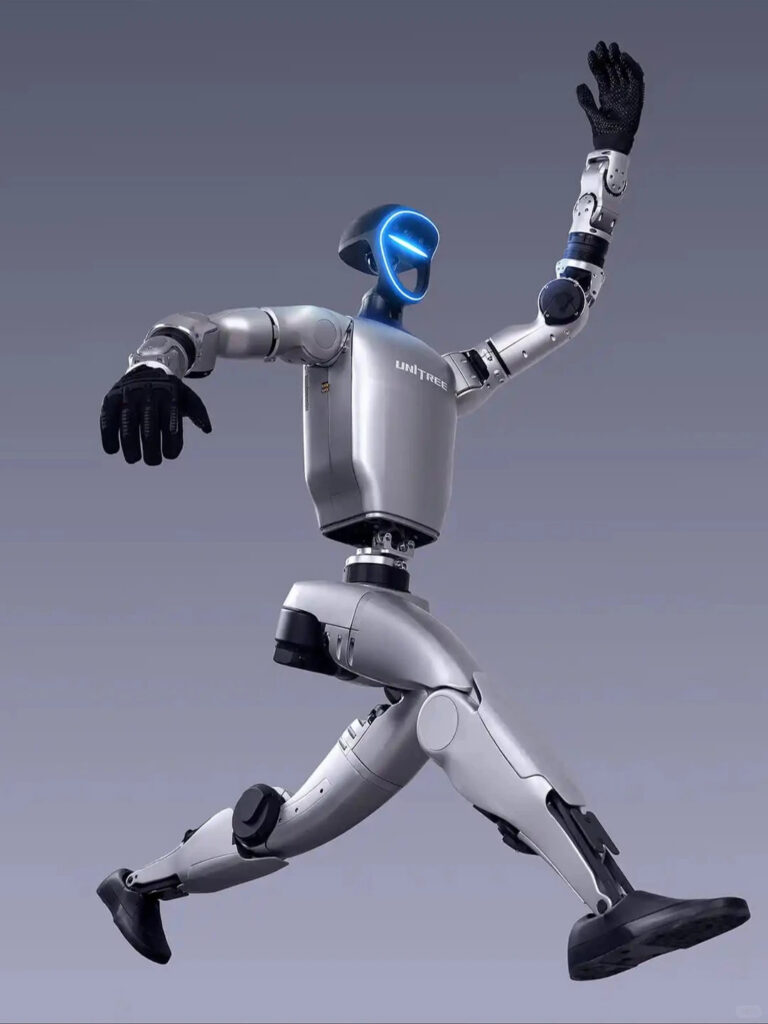
The RMB 6.1 billion IPO gives Unitree the resources to close that gap. Its largest planned investment is intelligent-robot models, reflecting where the challenge now lies. Unitree has proved it can make affordable robots run, dance and fight. Its new shareholders are investing on the belief the company can now put them to work.