



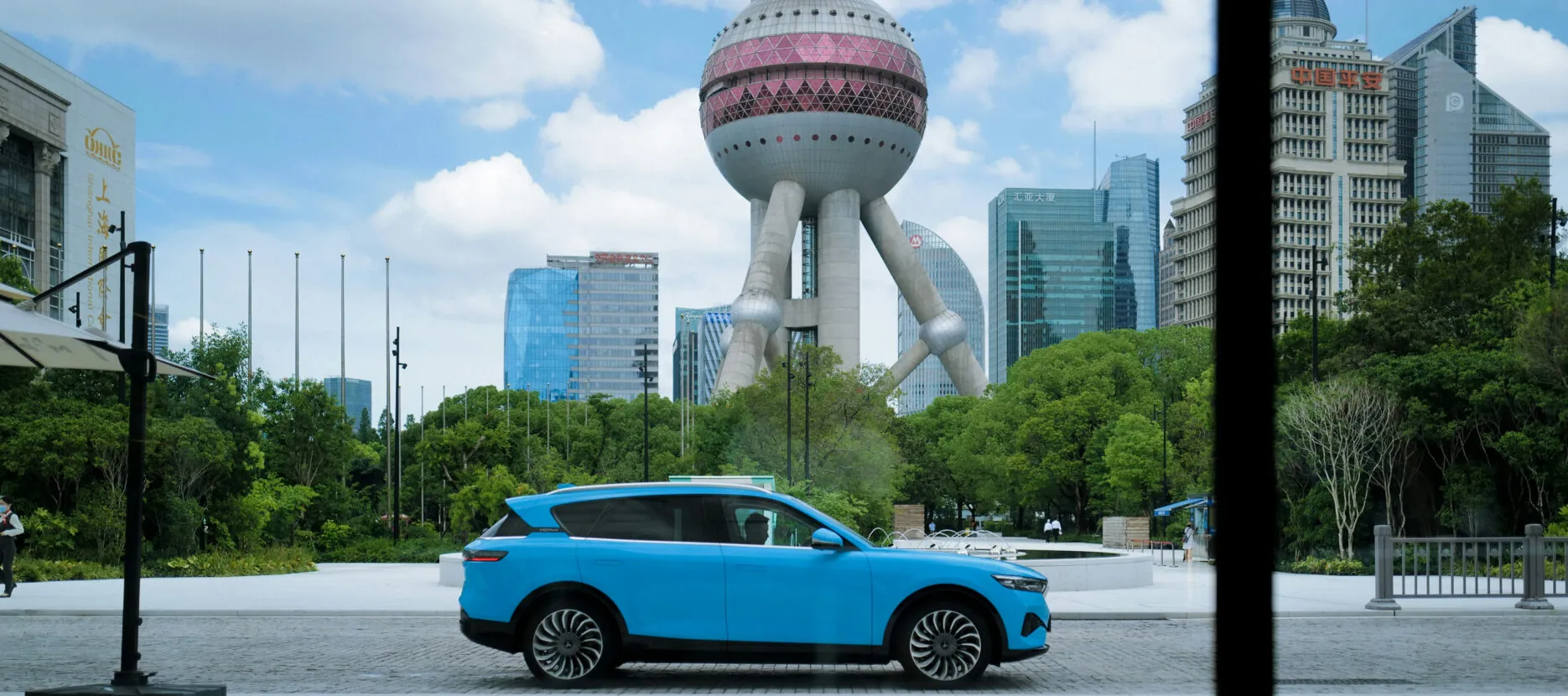
Chinese electric vehicles brands have found happy exports growth in overseas markets as global demand for EV tech sees a surge. China’s passenger vehicle exports jumped 73% year-on-year in May. Roughly 809,000 units were shipped, while exports of new energy vehicles (NEVs) more than doubled.
Exports of battery-electric and plug-in hybrid vehicles reached around 435,000 units in May, accounting for more than half of all passenger vehicle exports. This strong performance is a result of the Iran war’s driving up of fuel prices, a fact that gives consumers reason to consider electric vehicles over petrol-powered ones.
The export boom also highlights an increasingly important trend for China’s automotive industry. While domestic competition remains strong, overseas markets are providing new growth opportunities. Chinese automakers have been expanding aggressively across Latin America, Southeast Asia, the Middle East, and Europe as they seek to reduce reliance on the home market.
At home, the picture is less rosy. Passenger car sales in China fell 23.4% year-on-year in May to 1.44 million units, marking the seventh consecutive month of declines. Sales of traditional petrol and diesel vehicles dropped nearly 42% as consumers continued shifting toward electrified models.
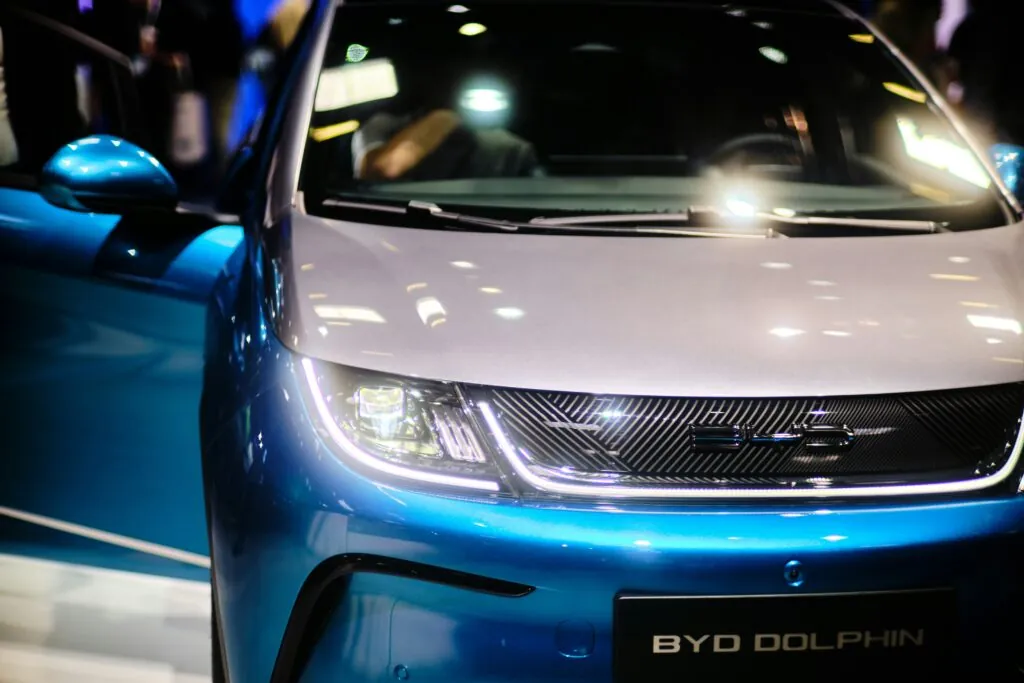
Among the biggest beneficiaries is of the Chinese EV exports surge is BYD. China’s darling automaker sold more than 160,000 vehicles overseas in May, an 80% increase from a year earlier. BYD is targeting 1.5 million overseas vehicle sales in 2026, up from 1.05 million last year. And analysts expect the momentum to continue. UBS forecasts China’s passenger vehicle exports will rise roughly 40% this year, while S&P Global Ratings estimates export growth could reach between 30% and 50%.
The Dao view: China’s EV story is no longer just about domestic adoption
With price wars squeezing margins at home, overseas markets are becoming the industry’s next battleground. That means export growth is becoming a necessity. The Chinese car industry scored a lucky win with this rise in demand. This spike in sales is not one you should expect to see maintained in the long term, but after slumping profits in the industry, it’s reason for investors to celebrate.