



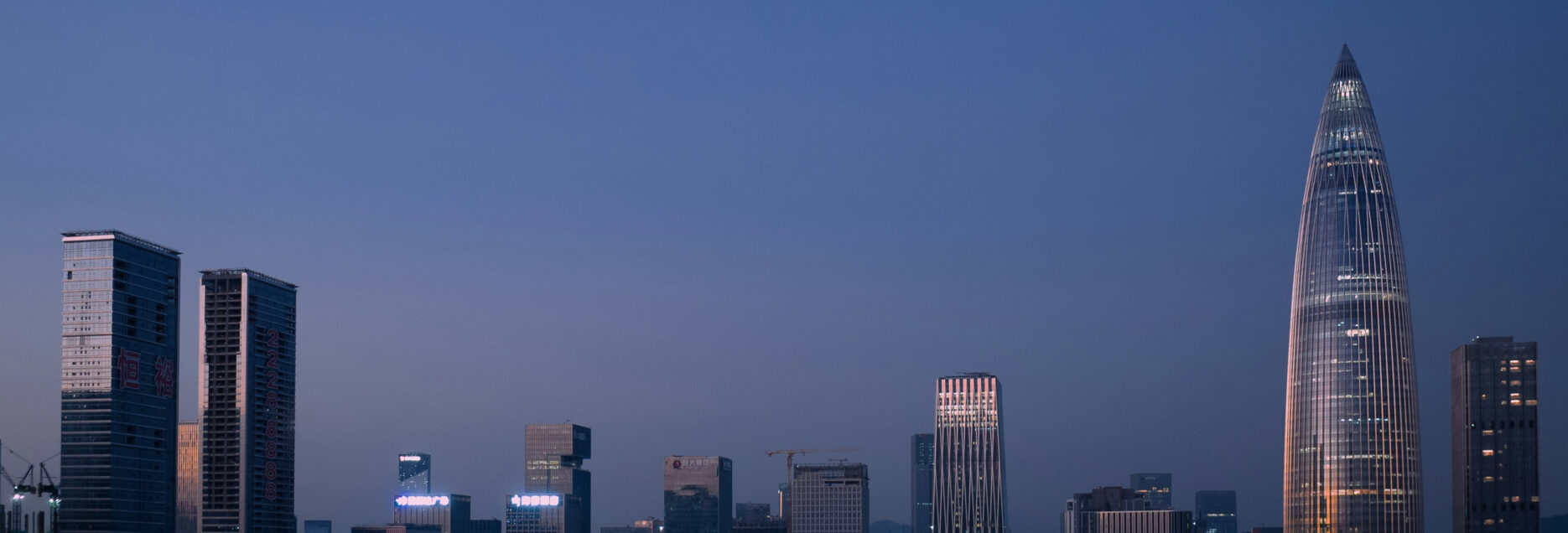
New data has shed light on how China’s demographics shifted in 2025. Shenzhen has taken back its boomtown crown. The city added 259,000 permanent residents in 2025, making it China’s fastest-growing major city and pushing its population above 18 million for the first time. The 18.25 million population also puts it within striking distance of joining China’s exclusive club of 20 million-plus megacities.
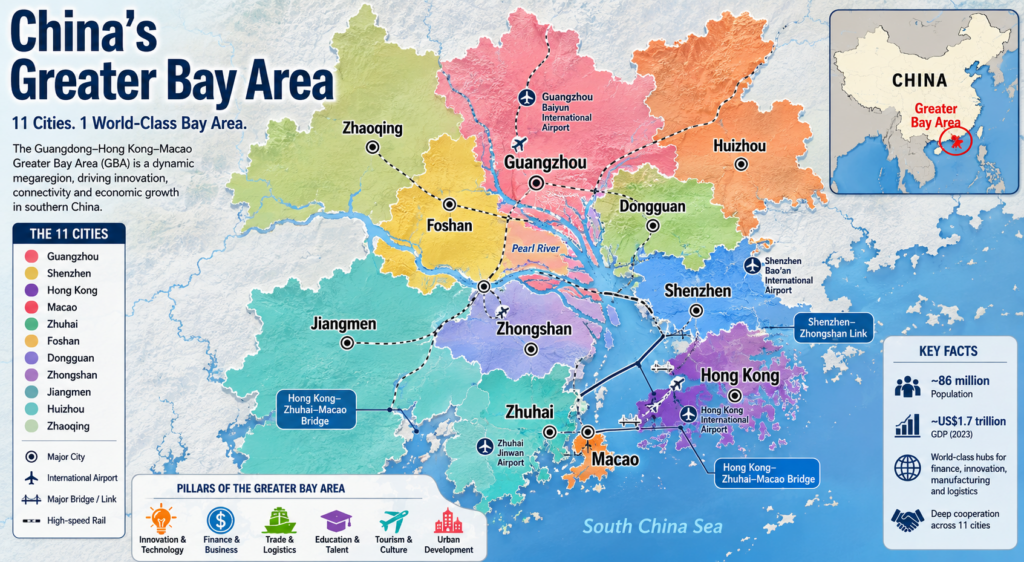
The Greater Bay Area – the region around the Pearl River Delta – is emerging as a core area for business and trade. Dongguan and Guangzhou also managed to get into the top three rankings of cities by population growth, putting the south very much at the heart of this population shift.
The concentration of growth in Guangdong suggests that China’s economic geography is becoming increasingly concentrated around a handful of powerful urban clusters. Five Guangdong cities – Shenzhen, Dongguan, Guangzhou, Foshan and Huizhou – ranked among the country’s top 10 for population growth. Guangdong province added 790,000 residents overall, the largest increase of any province nationwide.
The country’s largest urban centres remain dominated by Chongqing, Shanghai and Beijing, all of which have populations exceeding 20 million. Guangzhou and Shenzhen, with populations of 19.1 million and 18.25 million respectively, now look like the most likely candidates to join them.
The Dao view: Shenzhen and the Greater Bay Area offer a lesson for brands
The pattern is visible across China. Even in provinces experiencing overall population decline, capital cities continue attracting residents. Shandong, for example, lost 370,000 residents last year, yet both Jinan and Qingdao remained among the country’s fastest-growing cities.
Perhaps the most important lesson is that cities are no longer competing alone. Shenzhen’s growth is tied to Dongguan, Foshan, Guangzhou and Huizhou, all of which ranked among China’s fastest-growing cities. Together they form a labour and consumption network that increasingly functions as a single economic zone. For brands, the real opportunity may lie not in individual cities but in city-regions such as the Greater Bay Area, where talent, spending power and industrial capacity are becoming ever more interconnected.