


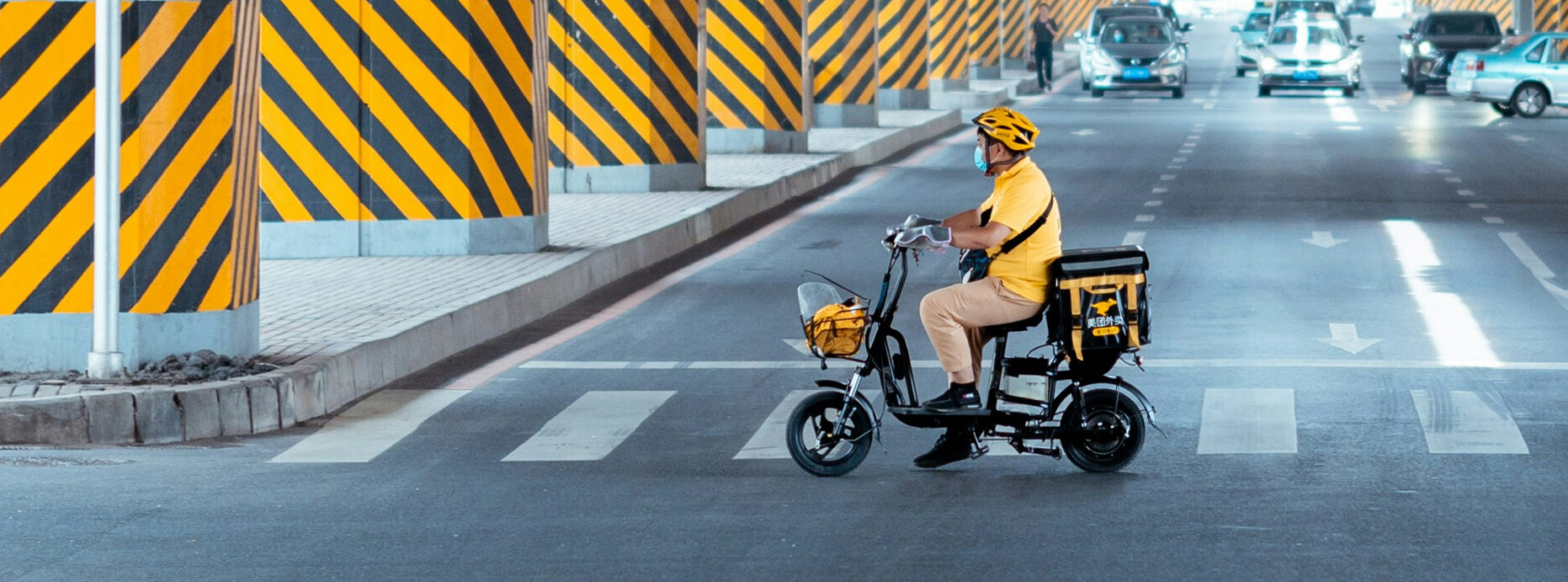
A disappointing birthday cake has triggered one of the largest crackdowns ever seen in China’s online food delivery sector. The scandal: a sprawling network of ghost kitchens, fake storefronts, and platform oversight failures.
The ghost kitchen scandal began with a consumer complaint in Beijing. A customer who ordered a birthday cake online found that the bakery handling the order didn’t actually exist. What looked like an isolated quality issue led regulators to dig about and uncover was a dark side to China’s oh-so-convenient delivery economy.
That bakery brand – Sweet Love Letter (甜颜情书) – had built a nationwide online presence using hundreds of virtual storefronts but these listed locations had no physical premises. They were outsourcing production to what’s being termed ghost kitchens – cowboy operations that bid to fulfil orders on the cheap, saving money for the business you see on your app.
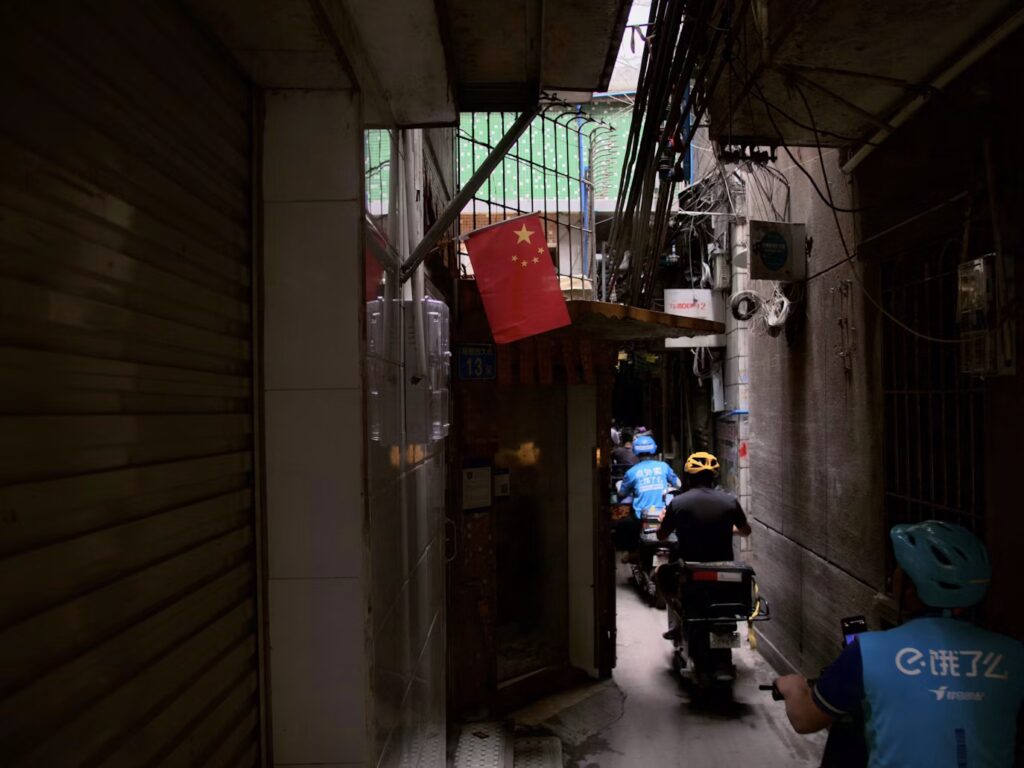
The investigation went on to turn up nearly ten thousand ghost kitchens around the country, many operating on duplicated licences, false addresses, and shady credentials. The obvious risk of all the above being lax food safety standards. Chinese regulators have hit out at the black market with one of the widest crackdowns in recent memory.
Penalties totalling RMB 3.6 billion (about US$500 million) have been slapped on seven big-name e-commerce and delivery platforms – Meituan, JD.com, Taobao, Tmall, Pinduoduo and Douyin are all implicated – over failures linked to online food safety and merchant verification.
Number of illegal stores involved in the ghost kitchen scandal:
- Jingdong – 43,190
- Pinduoduo – 9,463
- Meituan – 7031
- Taobao Flash Sale – 6329
- Other brands like TikTok and Tmall had numbers in the hundreds
The fallout of all this is already reshaping the industry. New regulation came into force on 1 June requiring delivery-only businesses (which are perfectly legal) to identify themselves clearly as having no dine-in facilities. Platforms must also conduct stricter verification of merchant identities, licences and addresses.
For Chinese consumers – and we convenience junkies – the case comes down to a question of trust. Online takeouts, and even the kitchen itself, may not be as promised. Convenience has long been assumed. Authenticity, we’re reminded, is still up for debate.