




China’s space tourism sector took a visible step towards becoming viable enterprise this week as InterstellOr (成都穿越者空间科技有限公司) unveiled what it says is the country’s first full-scale commercial crewed spacecraft test capsule.
Revealed at a launch event in Chengdu, the Suborbital Spacecraft Crosser 1 – known as CYZ1 – is designed as a reusable vehicle for suborbital human missions, marking a shift from state-led crewed programs toward a market-driven model focused on space tourism and commercial operations.
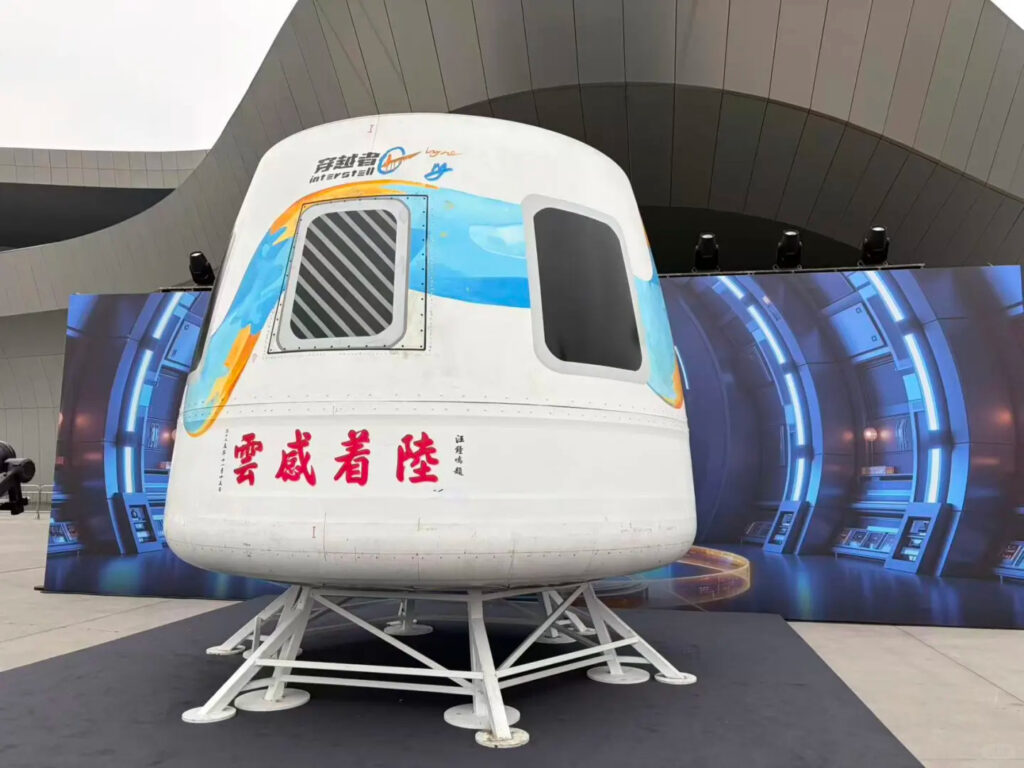
InterstellOr is currently the only private company in China approved to undertake national-level commercial crewed spaceflight. According to the company, more than three CYZ1 spacecraft have already been booked, with over 20 prospective passengers signed up. The firm is penning down 2028 as the year for its first commercial flight.
CYZ1 has been developed with full reusability as a central design principle. While China’s existing crewed spacecraft have achieved partial reuse of return capsules, InterstellOr says the CYZ1 aims for a reusability rate of up to 99% by mass – meaning they’d get back the lion’s share of every craft. The perks of a strategy like this are obvious: lower overheads and less space junk.
Company engineers said the design draws on decades of China’s experience in crewed spaceflight while incorporating international concepts that prioritise passenger comfort and user experience – a must if you’re sending tourists, not astronauts, into space.
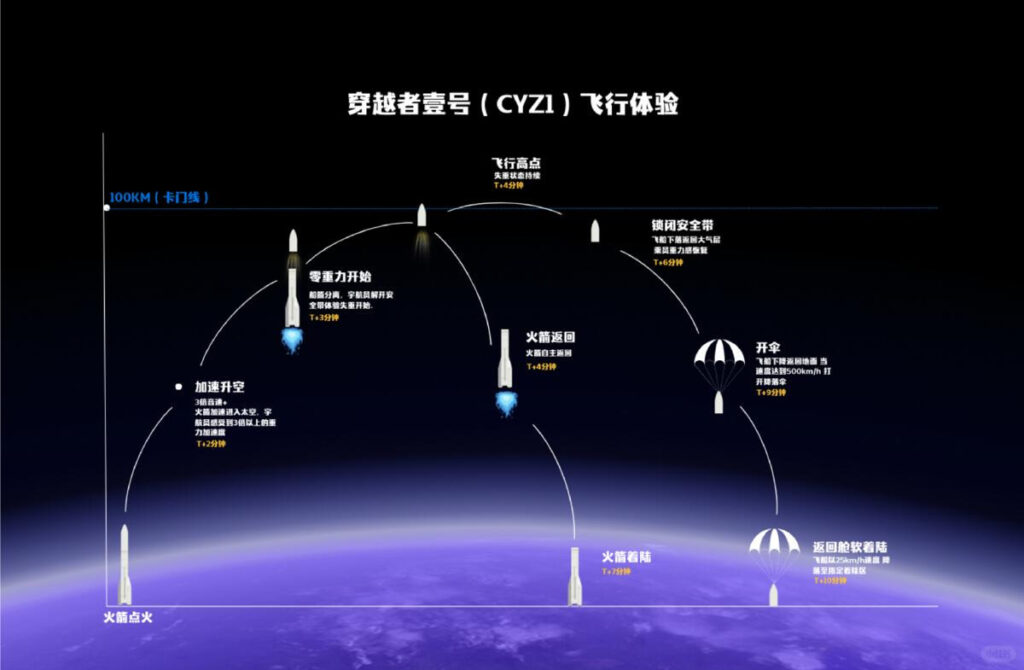
So can you go into space with InterstellOr? Feasibly, yes, though you’ll have to wait a few years and undergo a bit of training. No word on what that training is yet, but the company says it’s mandatory. We doubt it’ll be as intensive as the stuff astronauts are put through.
Beyond tourism, the company has positioned commercial crewed flight as a potential catalyst for China’s broader space economy. InterstellOr expects knock-on effects across launch vehicles, spacecraft manufacturing, aerospace components, space biomedicine and AI, framing human spaceflight not just as spectacle, but as industrial infrastructure in the making.