


Meituan (美团) is making a serious play for a slice of China’s automotive market. A super-app most known for food delivery getting into car sales? The battle for local-life ecosystems is far from over. In a new strategic partnership with Shanghai Xiche Future Intelligent Technology (上海喜车未来智能科技有限公司), the company is working to build a one-stop platform that combines – in their own words – ‘buying and using cars, plus local-life services.’ This effectively treats car ownership as another high-value consumption scenario inside Meituan’s ecosystem.
The idea is simple: consumers will be able to browse, compare and choose different dealerships on Meituan, complete purchases and bookings online, and leave service reviews – a familiar model, just applied to a far more expensive product category.
Meituan car sales: the partnership model
According to Xiche Technology CEO Jiang Shunyu (蒋舜宇), the company plans to push more than 30 car brands and over 10,000 dealer stores onto Meituan by the end of 2026, building a nationwide online automotive services network.
This is not about listing cars. It is about building a marketplace-style ecosystem that can standardise discovery, comparison, and evaluation – the same mechanics that already drive decision-making in Meituan’s restaurant ad in-store service businesses.
In other words, Meituan is attempting to make choosing a dealership feel closer to choosing a restaurant, using platform logic to simplify a traditionally high-friction process.
Meituan car sales plans: the real product
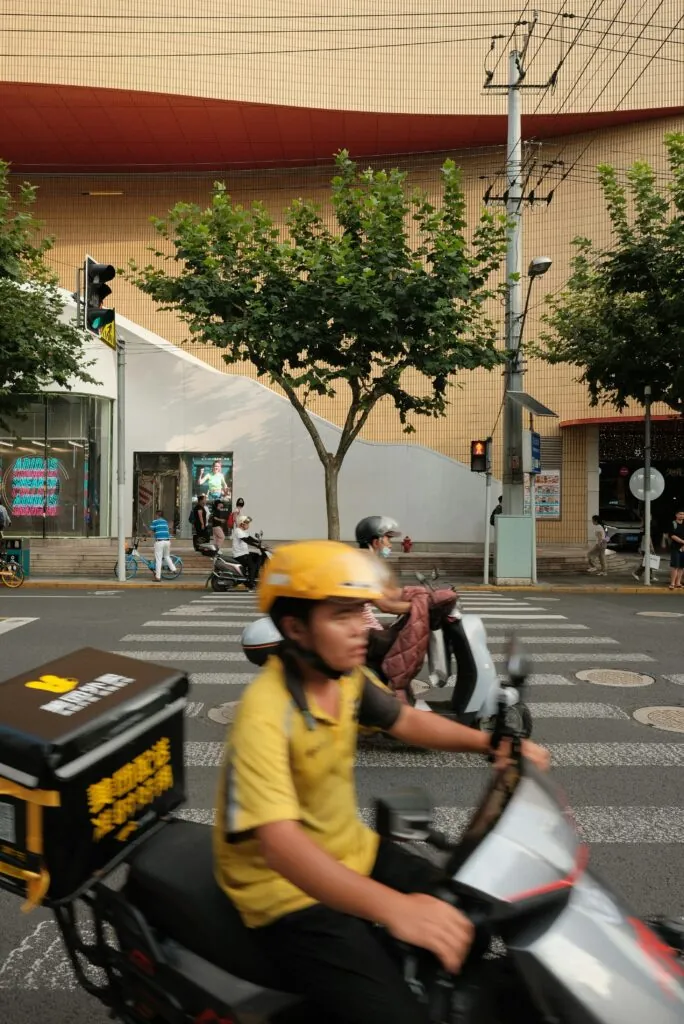
The most revealing part of the push is not the consumer-facing ambition, but the infrastructure Meituan is offering behind the scenes. The partnership is positioned as a full-stack digital option for dealerships: onboarding guidance, ongoing tech support, and tools as wide in range as AI livestreaming, store design, order and review management, and data analytics.
This is a familiar Meituan playbook: empower offline merchants to run platform-native operations, then lock in recurring traffic and transaction volume.
For dealerships, this is essentially a kind of online second-store model. It promises incremental leads, better conversion, and a way to reach users beyond traditional showroom footfall – especially in an era when attention is fragmented and consumers increasingly start their journey on apps.
Why cars?
Cars are the definition of low-frequency, high-value consumption – which is precisely why Meituan is interested. Meituan’s core strength is high-frequency usage. Users open the app for lunch, groceries, coffee, cinema tickets, whathaveyou. The strategy here is to use that constant traffic to drive consideration for a category that normally sits outside daily behaviour.
This is classic platform economics: use high-frequency categories to subsidise and feed low-frequency ones, then monetise through higher-ticker transactions, advertising and long-term service relationships.
If Meituan can insert itself into the car-buying journey, it is not just selling vehicles – it is positioning itself to capture downstream spending, from maintenance to accessories to local lifestyle consumption tied to mobility.
Are the service giants running out of turf?
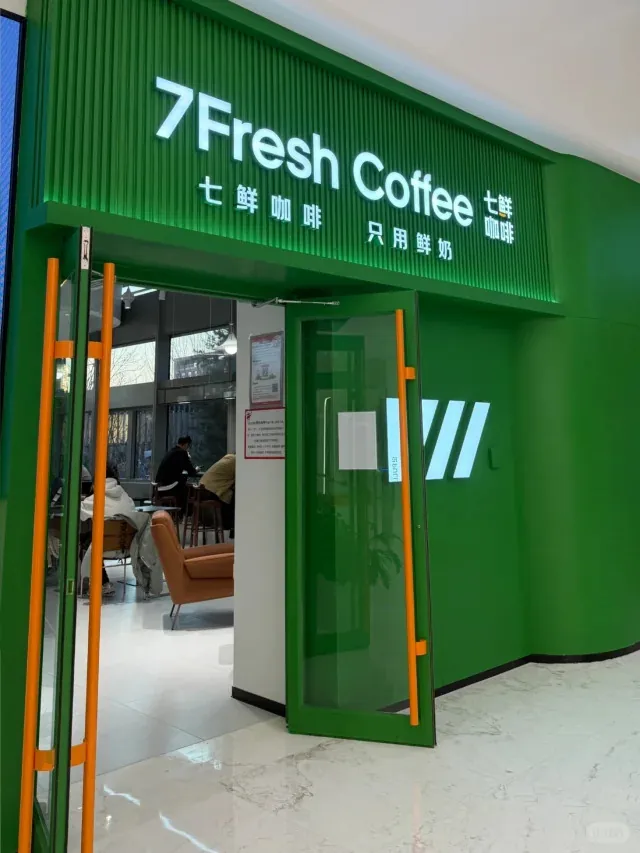
Meituan’s timing is not accidental. China’s local services market is entering a more aggressive phase, with Alibaba, JD.com, Douyin, and Kuaishou all pushing into overlapping territory.
Alibaba has been strengthening its big consumption narrative through the amalgamation of its services under Taobao Flash Sale (淘宝闪购). JD.com has been expanding beyond e-commerce into food-delivery, travel, even coffee, and deepening its own automotive business (which is where Meituan will find its chief competitor).
There’s an awful lot of stepping on toes. In this environment, the local life war is no longer about who has the best delivery fleet. It’s about who owns the widest range of consumption scenarios – and who can turn platform usage into repeatable growth.