




This week TikTok Shop set about ambitious plans for Europe with a new cross-border e-commerce option called ‘local fulfilment’ (本地托管), opening first in Europe. Under the model, merchants ship stock to TikTok Shop’s local European warehouses, after which the platform takes over warehousing, delivery and returns. TikTok Shop will also match merchants with local creators and agencies, allowing sellers to send samples from local inventory so influencers can start filming as soon as products arrive.
It’s a logistics upgrade – but also a strategic one. TikTok Shop has already spent the past two years pushing beyond its Southeast Asian base into western markets, including the UK and U.S. Europe is the next battleground, and TikTok’s advantage is clear: it isn’t just selling products, it’s selling products through content.
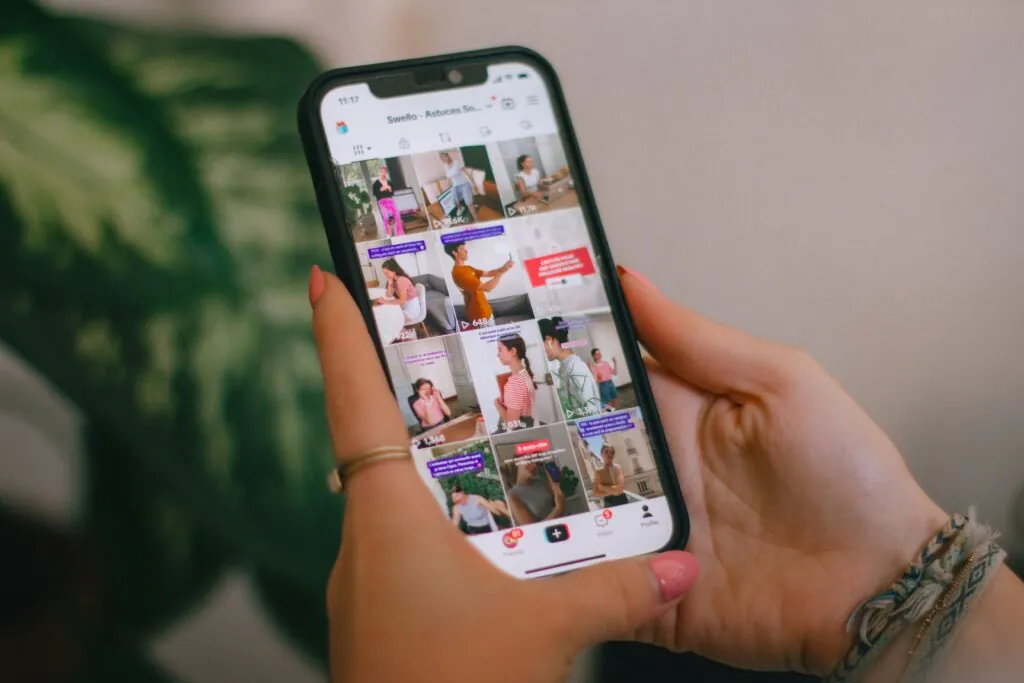
That matters because Europe’s e-commerce market has been tough terrain for cross-border sellers, especially those shipping from China. Delivery times, local returns, and VAT compliance can turn a viral product into a customer service nightmare – not ideal for a platform built on virality. By localising inventory and standardising fulfilment TikTok Shop is trying to remove the friction that most often kills conversion after the click.
The move also signals intensifying competition. European consumers already buy from Amazon, Temu and Shein. TikTok Shop is betting it can win Europe by bundling marketplace logistics with creator-driven marketing – a combination that traditional platforms can’t replicate.
For merchants, the new model comes with strings attached. Entry is invite-only for now, and sellers need local European inventory, the ability to ship to designated warehouses in Spain, Germany or Italy, and VAT qualifications in those countries.
TikTok Shop has said it will support merchants across the full sales cycle, from product listing to content fulfilment, including with subsidies and boosted commissions. This is what happens when social commerce stops acting like a side hustle and starts behaving like big business.