



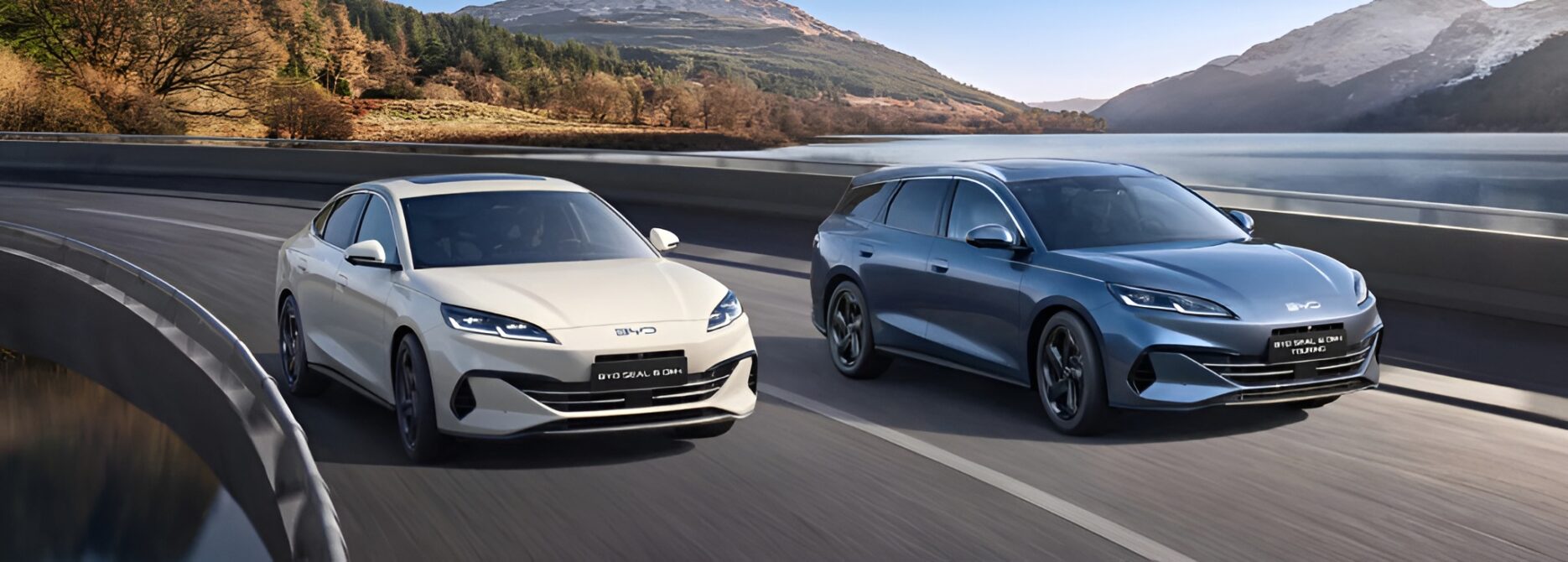
Early this year BYD overtook Tesla as the world’s top EV seller. It’s not totally new news. BYD has outsold Tesla on hybrids for some time now. But 2026 marks the year they took the crown in pure EV sales selling, 2.2 million vehicles to Tesla’s 1.6 million.
For a brand that started life as a Shenzhen battery supplier this is no small feat. BYD’s rise is not one built on hype or design theatrics either. It’s a story of control. Control over supply chains, cost, and an increasingly global narrative.
Getting BYD out of the lab

Founded in 1995 by engineer Wang Chuanfu (王传福), BYD started life producing rechargeable batteries for consumer electronics. At a time when Japanese incumbents dominated the sector, Wang pursued a labour-intensive, cost-efficient manufacturing model that undercut rivals.
BYD’s first big moment came in 2003 when the company acquired a struggling state-owned carmaker, taking its first step into automotive manufacturing. Early models fell afoul of criticism for being poor-quality rip offs of competitor models. But behind all this fire, BYD was accumulating something that would become the bedrock of their success: production capability and battery expertise.
The Buffett signal

It was an American company – and big-name investor – that pulled BYD out of the reputational dirt. In 2008, Warren Buffett’s Berkshire Hathaway picked up a minor investment in BYD. The decision was made on the advice of Charlie Munger, who famously called Wang Chuanfu a ‘combination of Thomas Edison and Jack Welch.’
The endorsement provided a cash injection and global legitimacy. At a time when the EV market was still highly speculative, that legitimacy shifted BYD’s rep from provincial automaker to serious clean-tech contender.
Vertical integration as a strategy
Your run-of-the-mill EV startup often outsources critical components. Batteries are case in point here. They’re expensive and strategically sensitive. But BYD already had this critical component locked it. Over time, the company expanded in-house production to include semi conductors and power electronics.
This vertical integration proved decisive during global chip shortages and supply chain distruptions. While competitors grappled with halted production lives, BYD’s internalized ecosystem kept its margins insulated. Its Blade Battery further cemented its identity as an engineering-first rather than market first type of brand.
How BYD overtook Tesla at home
Now all BYD needed was a fast lane. It got one with China’s EV boom. Benefiting from favourable industrial policy and a rapidly growing domestic EV market, BYD hit go on an aggressive growth strategy. This strategy broadened its portfolio from compact city cars to premium sedans and SUVs. Their competitors stayed niche.
The brand narrative shifted accordingly. Once viewed as a low-cost imitator, BYD increasingly became framed as a national industrial champion – proof that Chinese manufacturing could compete at scale in one of the world’s most complex industries.
How BYD overtook Tesla globally
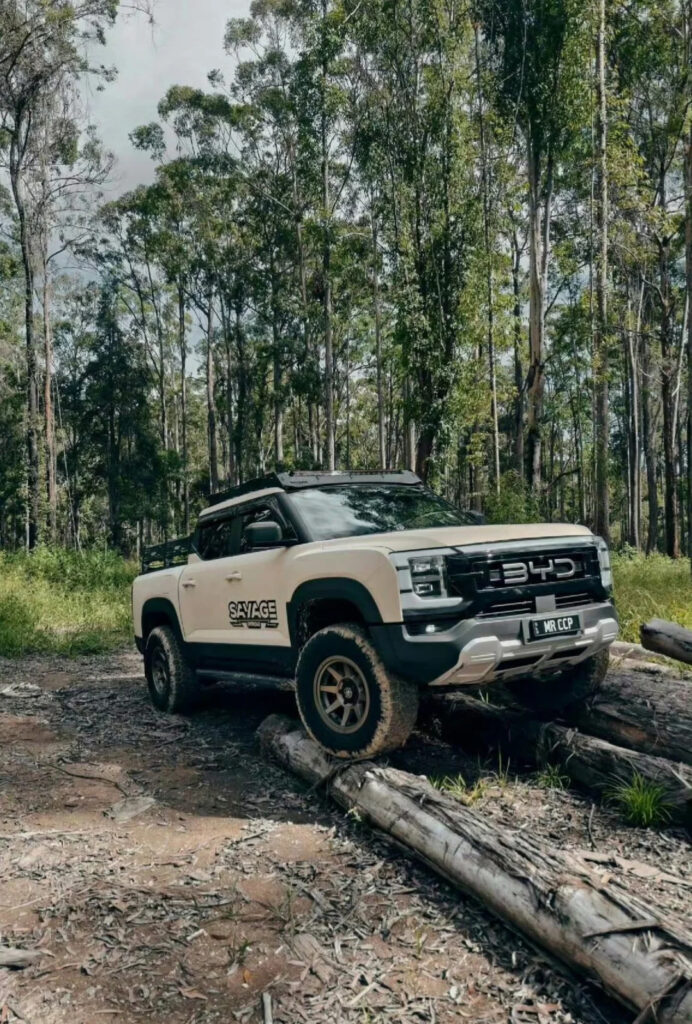
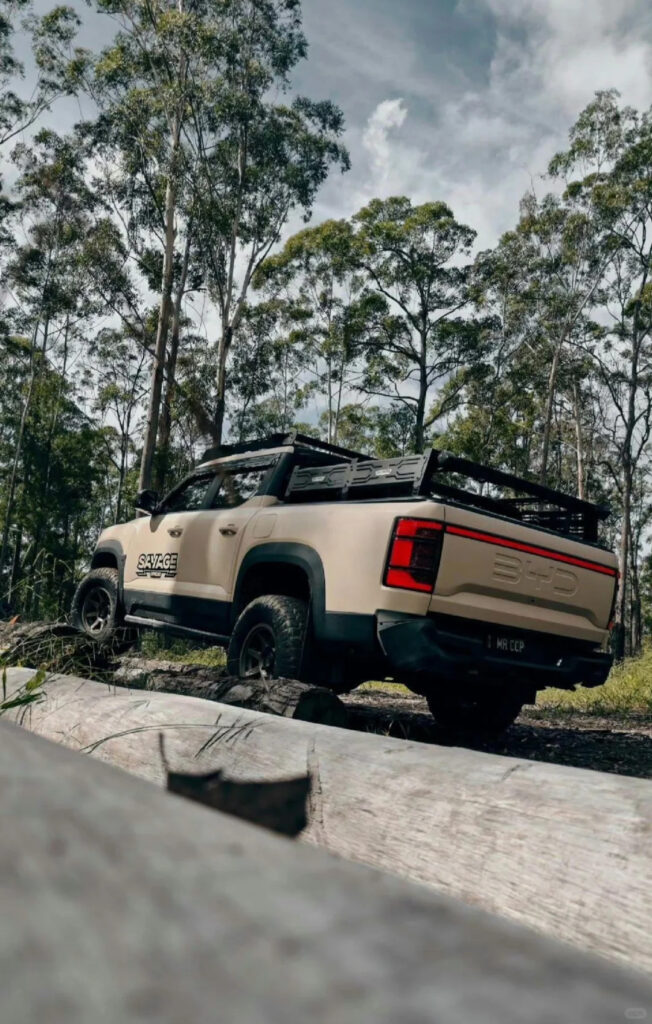
With its domestic market secured, BYD turned its eyes abroad, expanding into Europe, Southeast Asia, Latin America and Australia. The overseas growth model relied on local distribution networks and, on occasion, overseas manufacture to mitigate tariff exposure.
In January 2026, BYD outsold Tesla 10-to-1 in Australia, signaling a massive shift in Western-aligned consumer preference. However, the U.S. remains a fortress. While BYD dominates the American electric bus market from its California factory, it has yet to sell a single passenger car there due to 135% tariffs.
A brand on the rise
By 2026, BYD’s direction has sharpened further. Commitments to advancing next-gen battery chemistries and broadening its model range have come alongside accelerating international expansion.
BYD’s ascent illustrates an interesting model of brand-building: industrial depth first, global perception second. The ambition is clear. BYD isn’t looking to be anything less than a leader. The question facing it over coming years is, can it’s business model translate manufacturing supremacy into enduring global brand equity.