


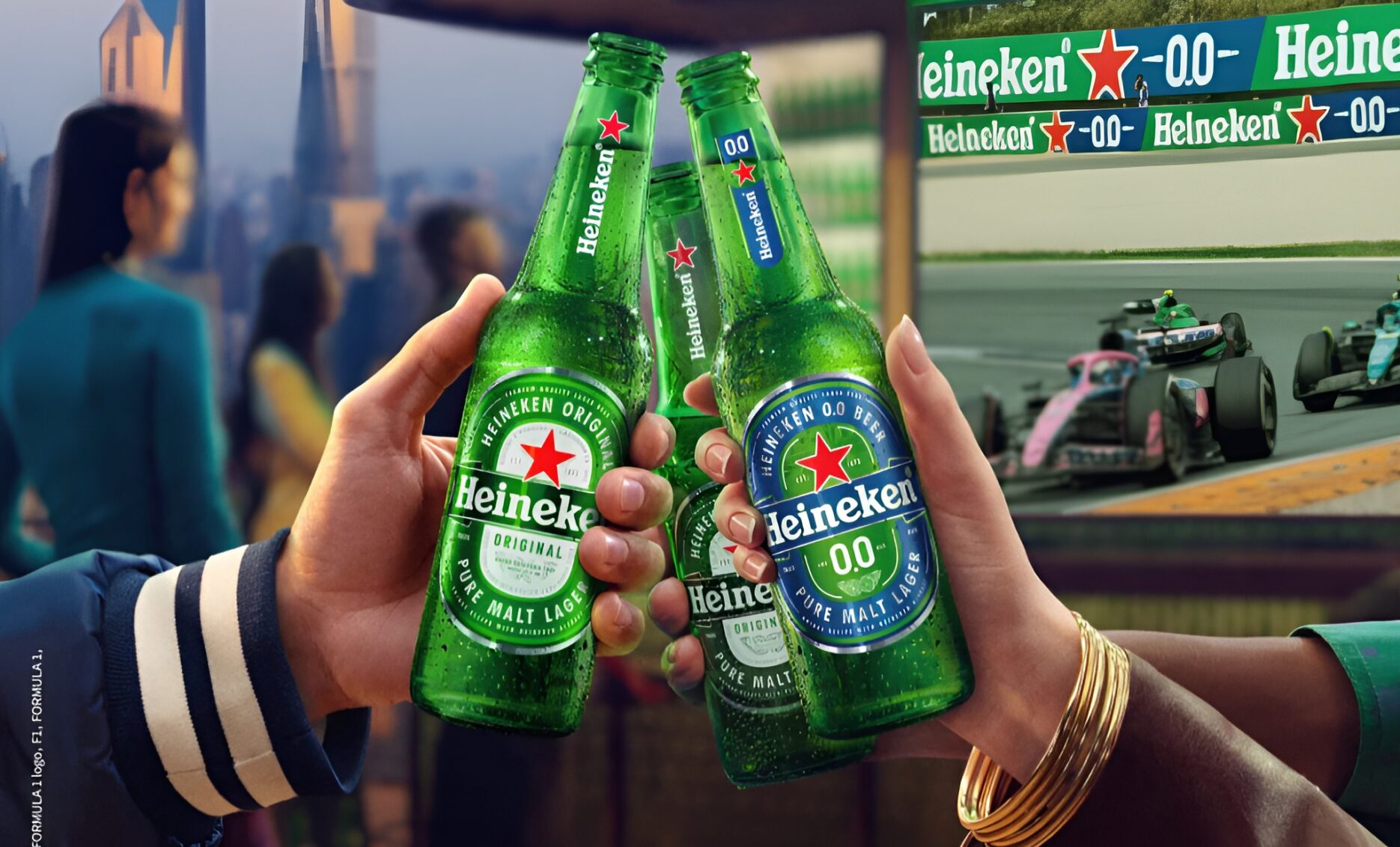
Formula 1 has spent the past decade reinventing itself: Once a technical event for the diehard petrol heads, when the Heineken F1 hits Shanghai, it now looks more like a traveling entertainment franchise – one complete with concerts, fan events and scope that basically amounts to a full-city takeover.
Sponsors have adjusted accordingly, swapping passive trackside logos for immersive experiences. In that shift, Heineken has been one of F1’s most enthusiastic players. Since partnering with the event in 2016, the Dutch brewer has been a big part of turning race weekends into social occasions.

It’s done this through limited-edition packaging, special fan zones and city activations in a strategy that basically blends racing culture with nightlife and entertainment. For the 2026 Chinese Grand Prix, the brand has pushed that strategy to near its zenith, effectively turning Shanghai into a week-long F1 playground.
Shanghai becomes an Formula 1 fan city
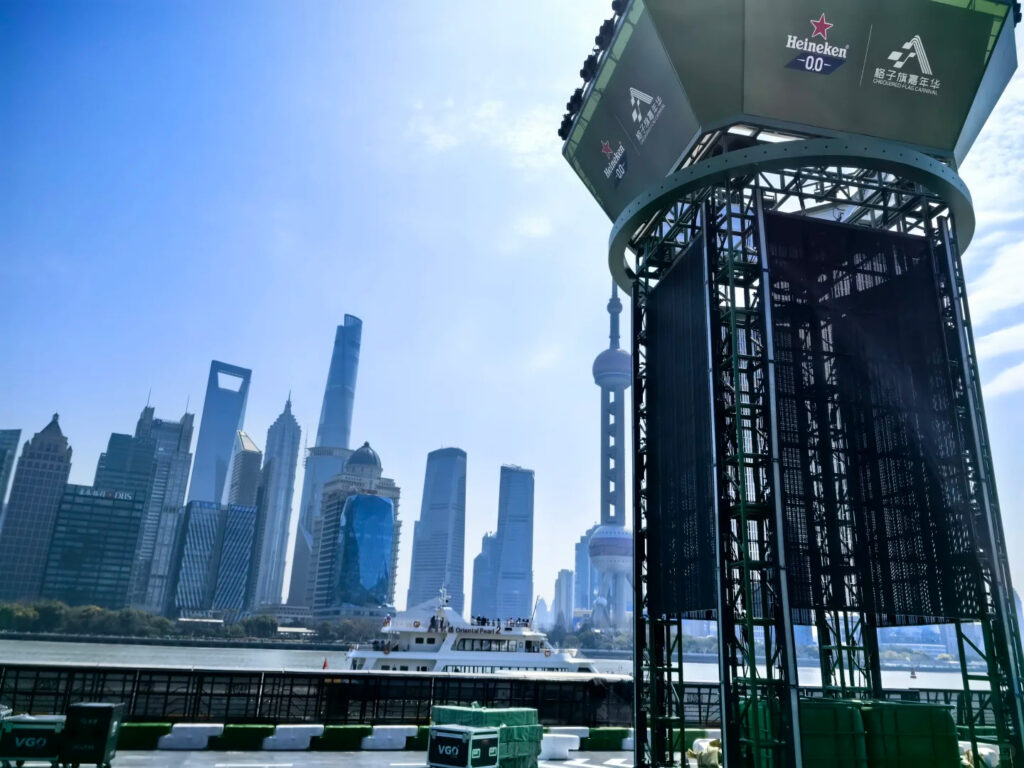
Instead of keeping the excitement inside the Shanghai International Circuit, Heineken is spreading the race across the city. If you’re a commuter in the city, you’re probably already noticing it.
Shanghai Metro Line 11, which connects the city to the circuit, has been wrapped in F1-themed visuals, while large promotional screens have popped up in high-traffic locations including Jiangsu Road, Xujiahui and People’s Square, as well as Hongqiao Airport Terminal 2 and Pudong Airport.
And then there are the social events. The 2026 Chequered Flag Carnival is at the heart of that. Rather than staging one central event, Heineken has linked multiple districts into a network of racing-themed celebrations – a sort of rolling party where people can let loose, check in and splash the glamorous image F1 is chasing across their social media.
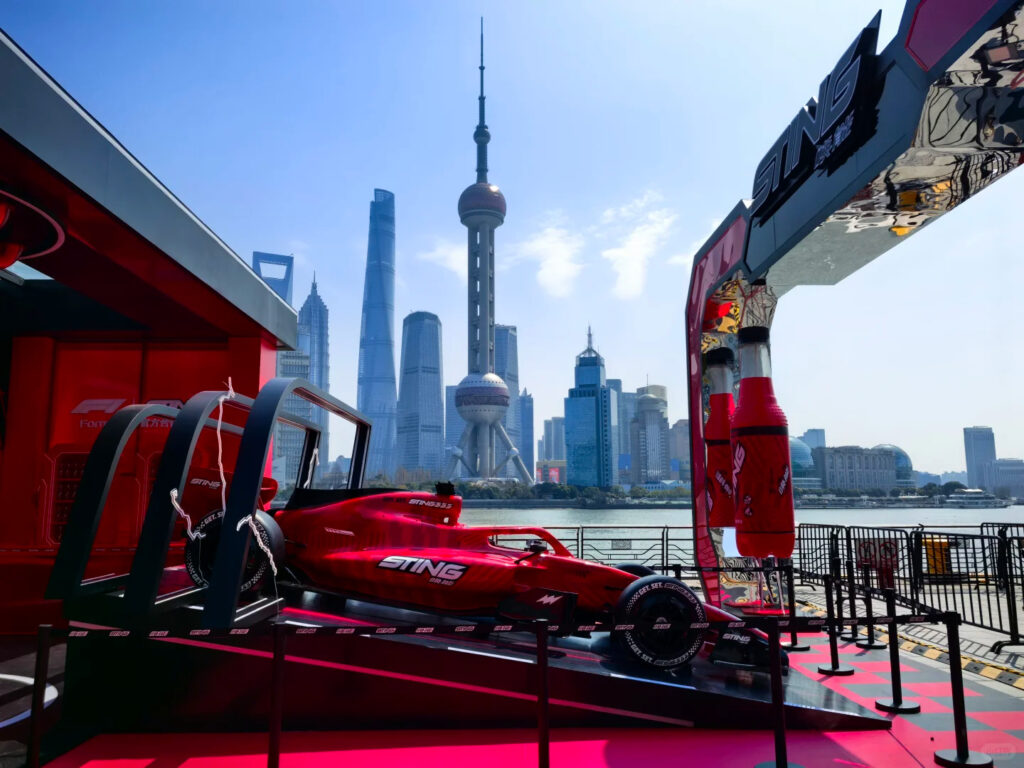
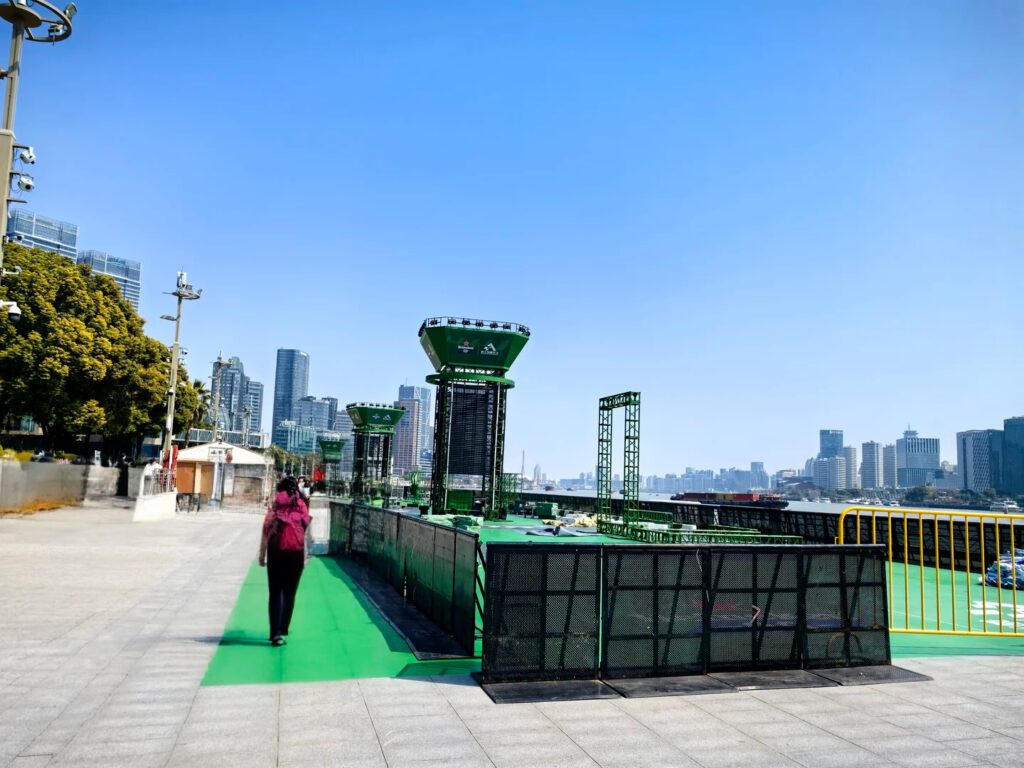
It’s not all any-hour Heinekens though. At a venue on Shanghai’s West Bund, fans can explore a motorsport-themed playground complete with race broadcasts, interactive games and exhibition displays. You can even pose with an F1 trophy.
Celebrity guests dial up the spectacle. Actors and racing enthusiasts Jimmy Lin (林志颖), Li Ruiyun (李瑞昀) and Daniel Wu (吴彦祖) have all appeared as F1 star friends, adding further chances for glamorous photo ops.
And glamour is what this is all about. F1 is fast becoming the kind of sporting event you want to be seen at. It’s a vibe shift that’s taking the event much closer to that of Wimbledon or the Super Bowl: a high-status calendar spot for the international leisure class.
Heineken F1: Why Shanghai matters to the grand strategy

Shanghai has long been a strategic foothold for Formula 1 in Asia. The Shanghai International Circuit opened in 2004 and was designed as one of the sport’s earliest expansions into the region.
Today the Chinese Grand Prix still functions as a gateway to the world’s largest automotive market – a major draw for carmakers, tech brands and lifestyle sponsors looking for a slice of the pie. But Shanghai offers something else: visibility.
The city remains China’s most internationally oriented metropolis and a magnet for affluent consumers. Campaigns staged there tend to ripple across social platforms like Xiaohongshu, Douyin and Weibo, turning local events into national conversations. Add to that a city government keen to promote tourism and large-scale events, and the result is fertile ground for ambitious activations. For F1 and its sponsors, Shanghai is the ideal place for a race that wants to spill beyond the circuit and take over the city.