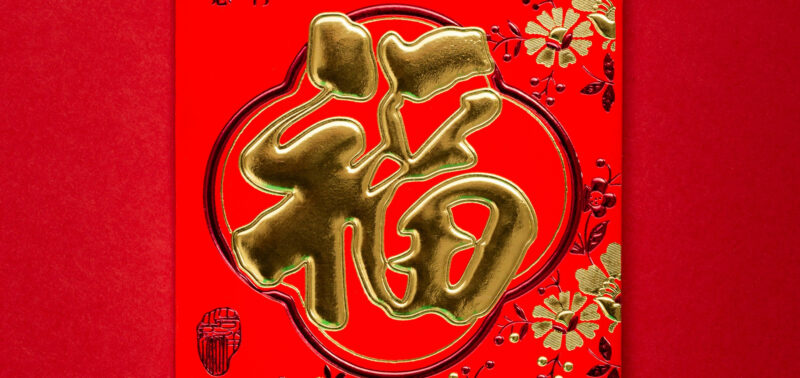




As China’s AI competition moves into the AI agent era, the fight over the starting point for users is intensifying. Yet instead of new interfaces or technical leaps, China’s leading platforms are leaning on a familiar lever: Spring Festival red packets. In January 2026, Tencent and Baidu announced cash giveaways of RMB 1 billion ($143 million USD) and RMB 500 million ($71.5 million USD) respectively. They’re using the Spring Festival attention peak to push their consumer AI products into the mainstream.
The move is less about novelty than speed. Spring Festival remains China’s strongest traffic moment, and red packets are widely used to rapidly reshape consumer behaviour at scale. The real question is what this return to cash incentives reveals about what is now at stake in China’s AI race.
Tencent (腾讯): red packets as a risk mitigator
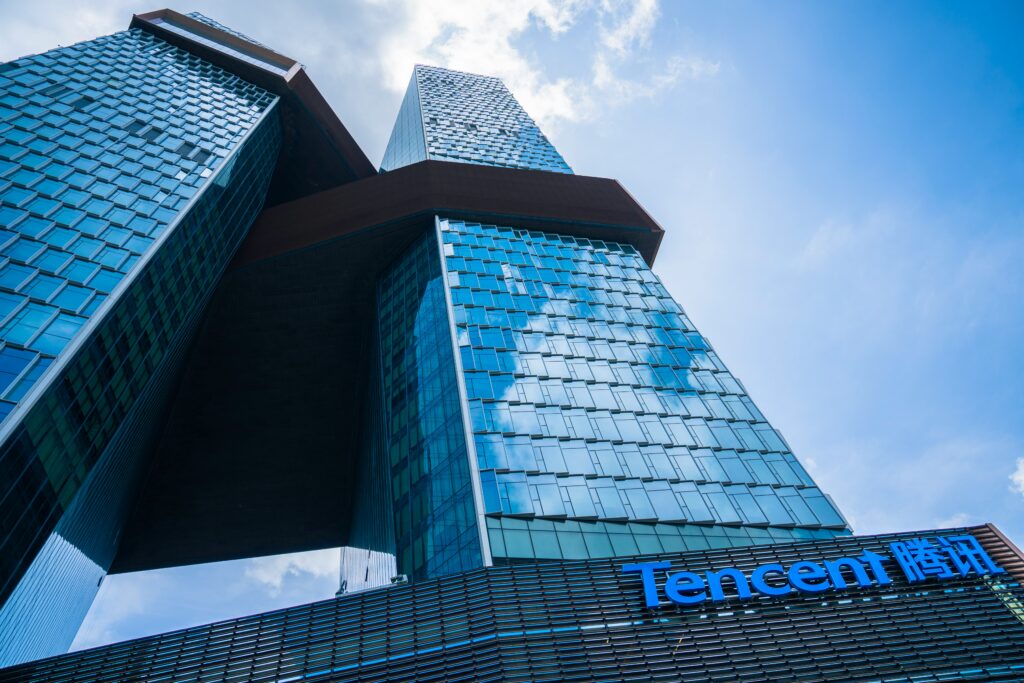
For Tencent, the campaign is defensive. Despite having WeChat and QQ in their repertoire, Tencent faces a new risk: that users begin defaulting to standalone AI assistants – like ByteDance’s Doubou or Alibaba’s Qwen – rather than social platforms, to solve problems or complete tasks. If that habit forms, Tencent’s traffic advantage might slip.
The RMB 1 billion Yuanbao giveaway is designed to prevent that shift. By tying cash incentives to social sharing across WeChat and QQ, Tencent is attempting to lock in behavioural patterns. The goal is not just downloads, but habit formation.
There’s something else at play. Tencent needs to push back against preconceptions that it’s been cautious in its consumer AI. The company has been embedding its Yuanbao AI assistant in its existing apps, rather than creating a stand-alone agent. Its rivals tend to have a much more visible, stand-alone app, which creates a bit of an optics problem for Tencent.
The red-envelope push is them putting their foot on the gas, funnelling social traffic into their AI entry points before the competition’s agent-based systems grab the lion’s share of user behaviour.
Baidu (百度): red packets to show AI capability

Baidu is coming at this with different logic. They’re a big player, one widely regarded as having a fundamental understanding of AI – but they’ve struggled to turn that fundamental knowledge into something everyday consumers use. Their AI products have drawn heat for feeling unready, and their previous red-packet campaigns have been slated for being expensive and clumsy, lacking good user experience.
The fact it’s now ramping up marketing signals they think their full-stack offering is finally ready for mass use and commercial success. They’re demonstrating that they’re ready to compete again for scale and mindshare.
The competition
ByteDance and Alibaba are the two big names to watch out for here. They’re expected to use the Spring Festival window in different ways, embedding AI into content, commerce and services rather than relying on pure cash.
Their shared assumption is that while big red-packet pushes can bring about short-term spikes, user retention depends on real-world, practical applications and a depth of AI ecosystem that will benefit users from top to bottom.
Red packets and the future of user loyalty
The return of red packets in China’s AI race is revealing. Even in the AI agent era, distribution and habit formation still matter. But the history still rings true: cash can buy attention, but not loyalty. The Spring Festival showdown is less about who gives away more money and more about who can convert a moment of curiosity into lasting behavior.
In that case, these campaigns are also stress tests. Once the cash tap is turned off, only the AI assistants that can actually get things done will retain users. Red packets are something of an invitation. Ultimately, the effectiveness of those agents will decide how many people stay at the party.