


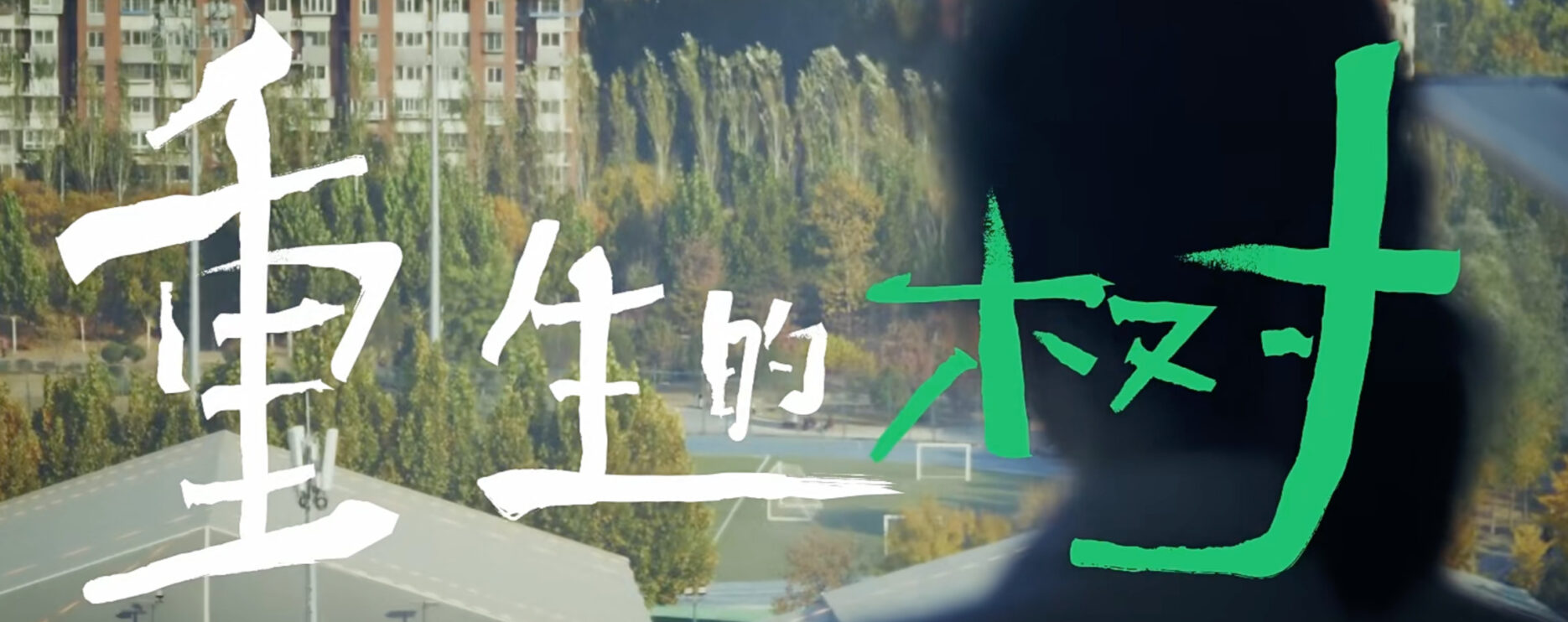
Alipay has put out a new short film focusing on a demographic rarely put in front of the lens of a marketing campaign: organ transplant survivors. They’re using their Ant Forest (蚂蚁森林) platform along with the drop of a new short film titled The Tree of Rebirth (重生的树) to raise awareness about habit changes after transplant surgery.
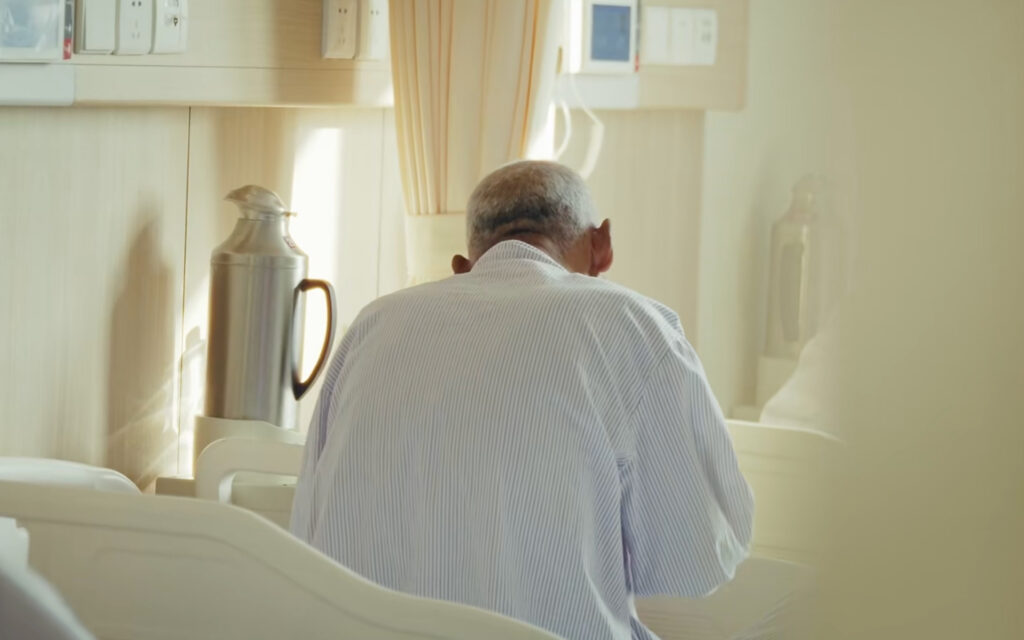
It’s that un-talked-about side of recovery. You get the organ you need, but when you’re back on your feet, you don’t feel capable of getting your teeth into life. As we’ve learnt from Alipay’s film, it’s a lesser seen psychological element to coming through alive. Patients in the film are overly cautious, limiting movement and social activity.
Broader narratives
Let’s wheel it back a bit. Ant Forest was originally designed to inspire low-carbon thinking in Alipay users. Essentially, you converted steps taken and user activities – like using greener forms of transport – into points that planted trees. Here, the platform is given a fresh spin as a recovery tool.
But the connection between organ transplant recovery and Ant Forest is more conceptual than anything. The film presents the app’s user activities as incremental recovery. Tree growth as the rebuilding of life after surgery.
Why does Alipay focus on organ transplant survivors, not donors?
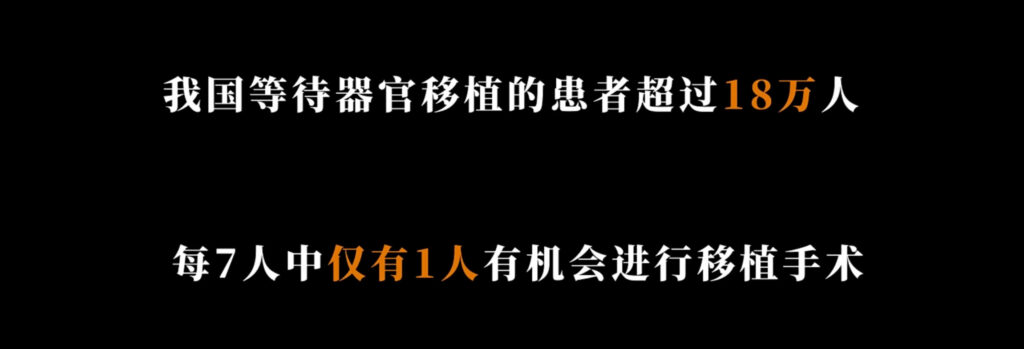
Can you think of a close demographic that gets plenty of attention in media? Organ donors? It’s an easier story to sell. There’s moral appeal and the promise of saving a life.
Alipay’s organ recipient focus is smart though. It ties in much better with how they want people to use Ant Forest. While organ donation narratives are full of one-off, dramatic interventions, transplant recovery is a slow, tentative process.
It’s not a campaign that urges donations or grand gestures. It’s one that invites empathy through daily routine – the same daily routine that Alipay and Ant Forest run on.
Dao’s wider view
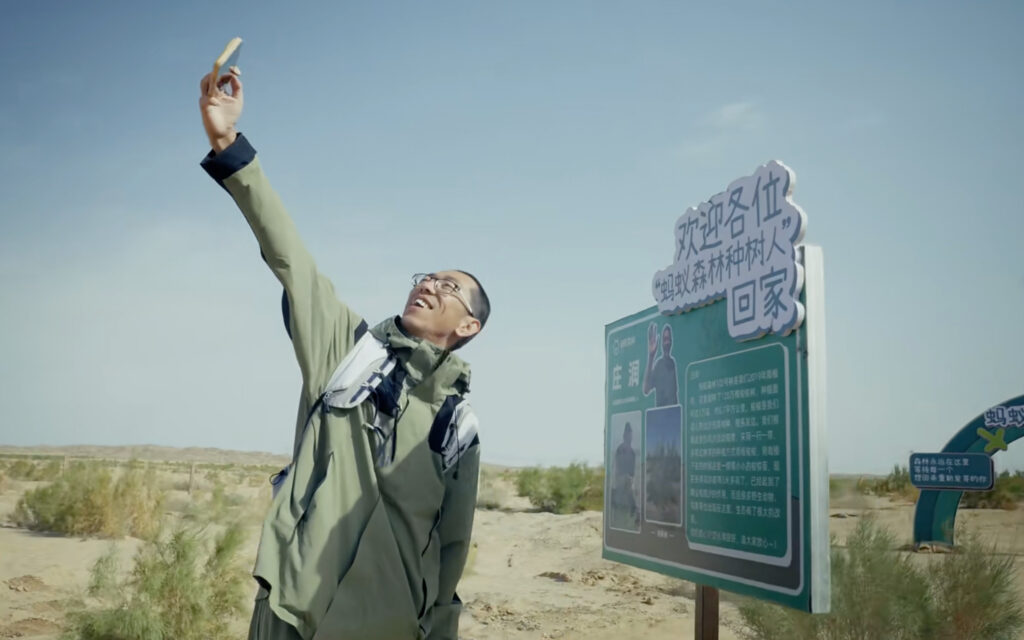
This is not Alipay’s first time engaging with the theme of organ transplants. Back in 2016, the platform partnered with the China Organ Transplant Development Foundation to integrate an organ donation registration portal into its app, simplifying what had been a fragmented offline process.
That approach reflects a wider pattern across China’s digital ecosystem. Platforms like WeChat and Meituan have steadily folded public services into their core user journeys, from health tools to civic utilities. The result is a shift in how public interest initiatives are delivered: not as standalone campaigns users need to seek out, but as embedded features encountered through routine behaviour.
What highlighing transplant survivors does for Alipay
So, what does this latest push actually do? Not much in a clinical sense. It doesn’t improve access to transplants or change medical outcomes. This is about strengthening Alipay’s role in everyday life. By layering new meaning onto Ant Forest, the platform deepens engagement with a feature users already return to daily.
It also reinforces Alipay’s positioning as a broader social utility, not just a payments tool. Tying into organ donation and recovery aligns with public interest priorities, while building emotional resonance around otherwise functional behaviour. In effect, Alipay isn’t changing what users do. It’s shaping how those actions are understood, binding the platform further into everyday life.