



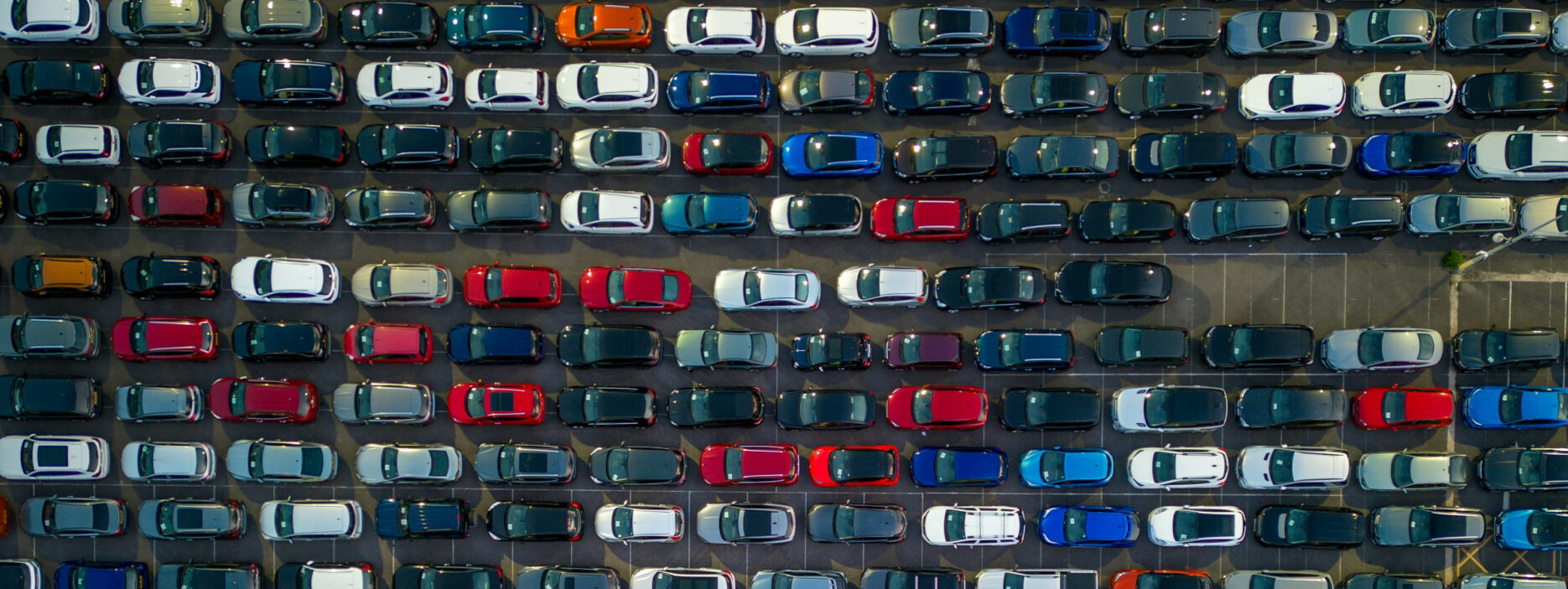
After years of acceleration, China’s auto market is adjusting to a world with fewer subsidies. In the first two months of 2026, vehicle sales dropped 23.1% year-on-year to about 2.8 million units. New energy vehicles (NEVs), usually the overachievers, fell even faster, down 27.5% to roughly 1.1 million units.
The slowdown is closely tied to policy changes. Subsidies previously drove mass adoption in China’s auto market – particularly in lower-priced EV segments. They’ve now been scaled back or restructured. Earlier fixed incentives have been replaced with price-based rebates, with tighter caps that reduce the effective discount per vehicle. At the same time, NEVs are no longer fully exempt from purchase tax, adding to upfront costs for consumers.
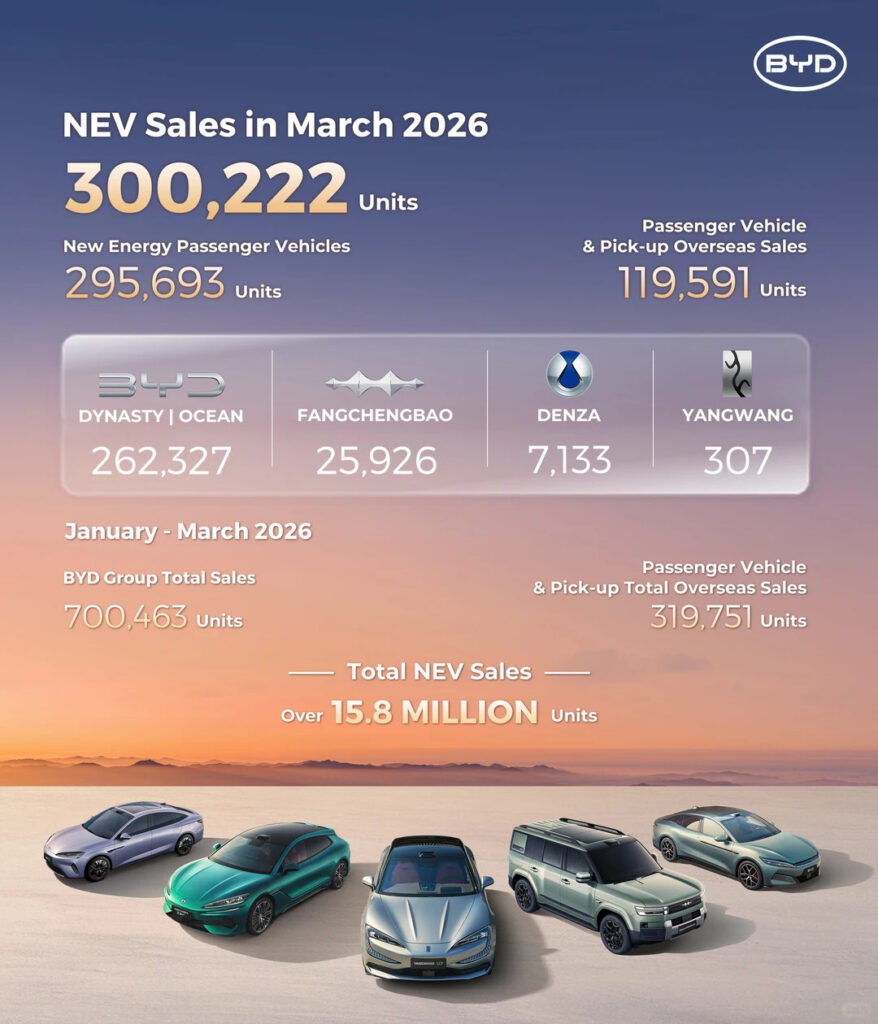
It’s a big impact, and an uneven one. Budget-friendly models have been hit hardest, while automakers are shifting focus toward higher-margin vehicles and technology upgrades. The change has also reshuffled the competitive landscape. BYD, long the country’s top seller, lost its leading position to SAIC Motor in early 2026 as volumes declined.
To offset domestic weakness, automakers are increasingly looking overseas. Exports surged more than 48% year-on-year in the same period, with NEVs playing a central role in that expansion. For many manufacturers, international markets are becoming a critical release valve for excess capacity at home.
In the near term, the market is expected to remain soft. Industry bodies suggest the downturn could persist for several months as consumers adjust to higher prices and reduced incentives. In response, carmakers are turning to promotions, financing schemes and new model launches to stimulate demand.
After years of subsidy-fuelled growth, China’s auto market is now transitioning toward a more market-driven phase, one where demand, rather than policy support, will determine the pace of expansion.